
A Five-Year-Old Roof Shouldn’t Look Like This
Several shingles were lifting and shifting even though the roof was still relatively new. The inspection helped reveal whether the problem was isolated—or a sign of something happening underneath.
SNAPSHOT
The Homeowner’s Concern
The roof was reported to be about five years old, yet several shingles had begun lifting or moving out of place. Because a newer roof typically should not show this level of movement, the homeowner wanted to know whether the issue was cosmetic or a sign of a larger problem.
The goal of the inspection was to understand what was happening before deciding whether the home needed localized repairs or broader corrective work.



What the Inspection Revealed
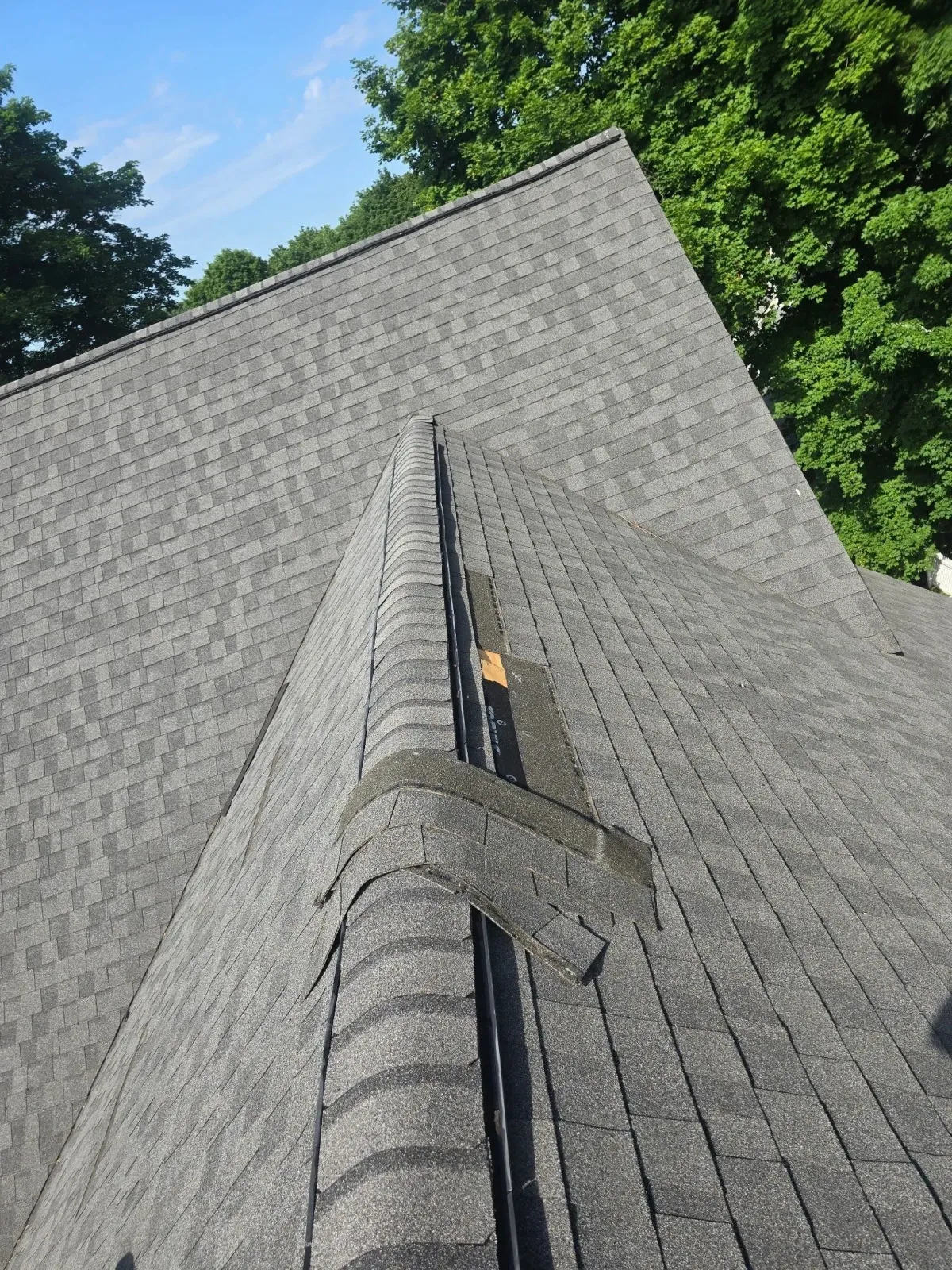
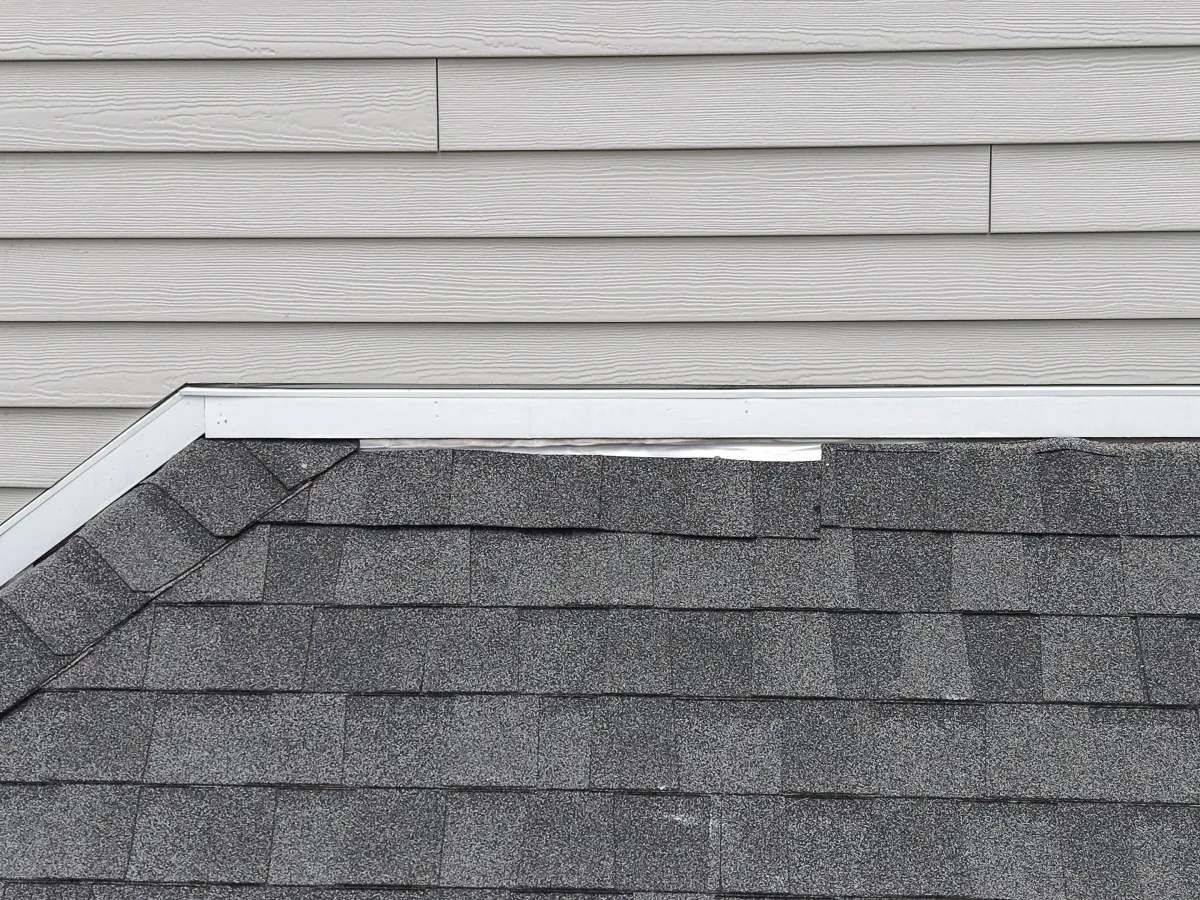
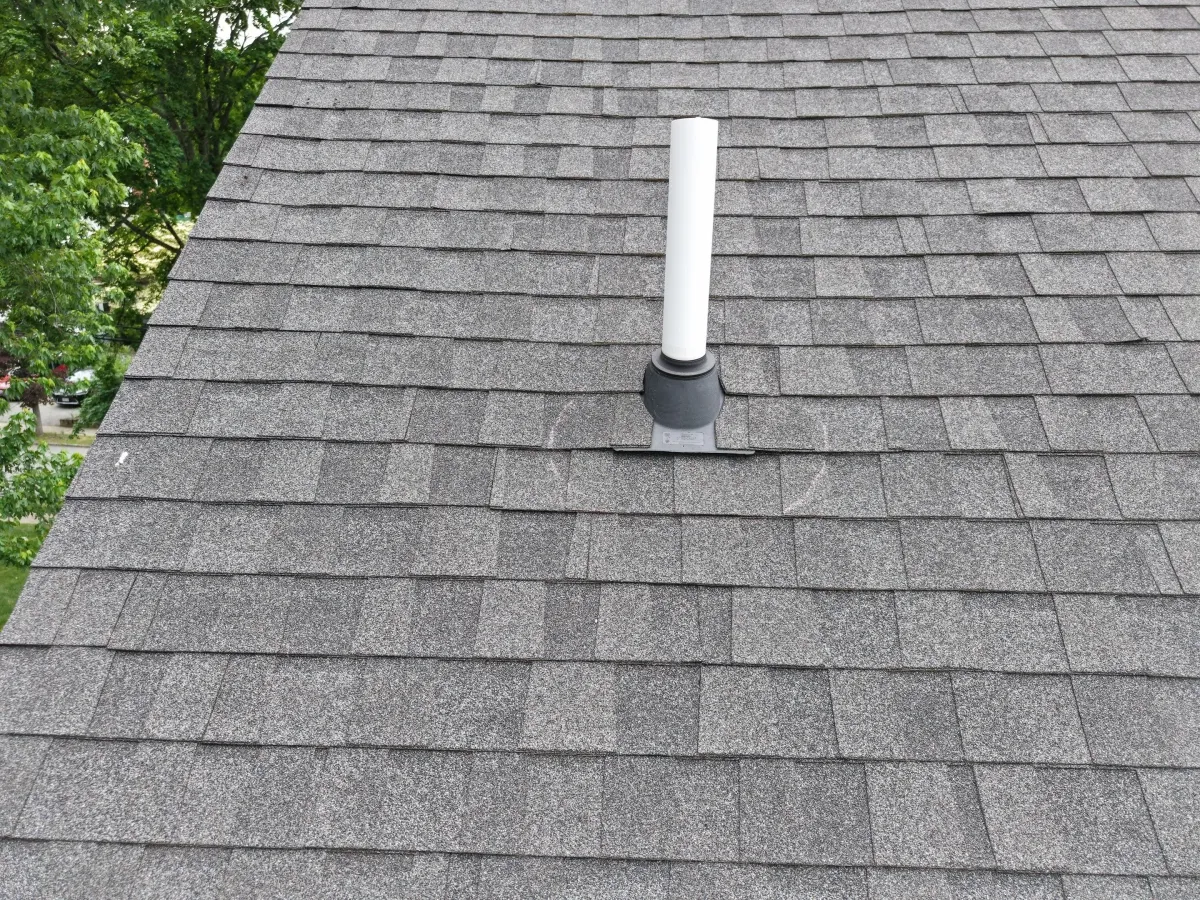
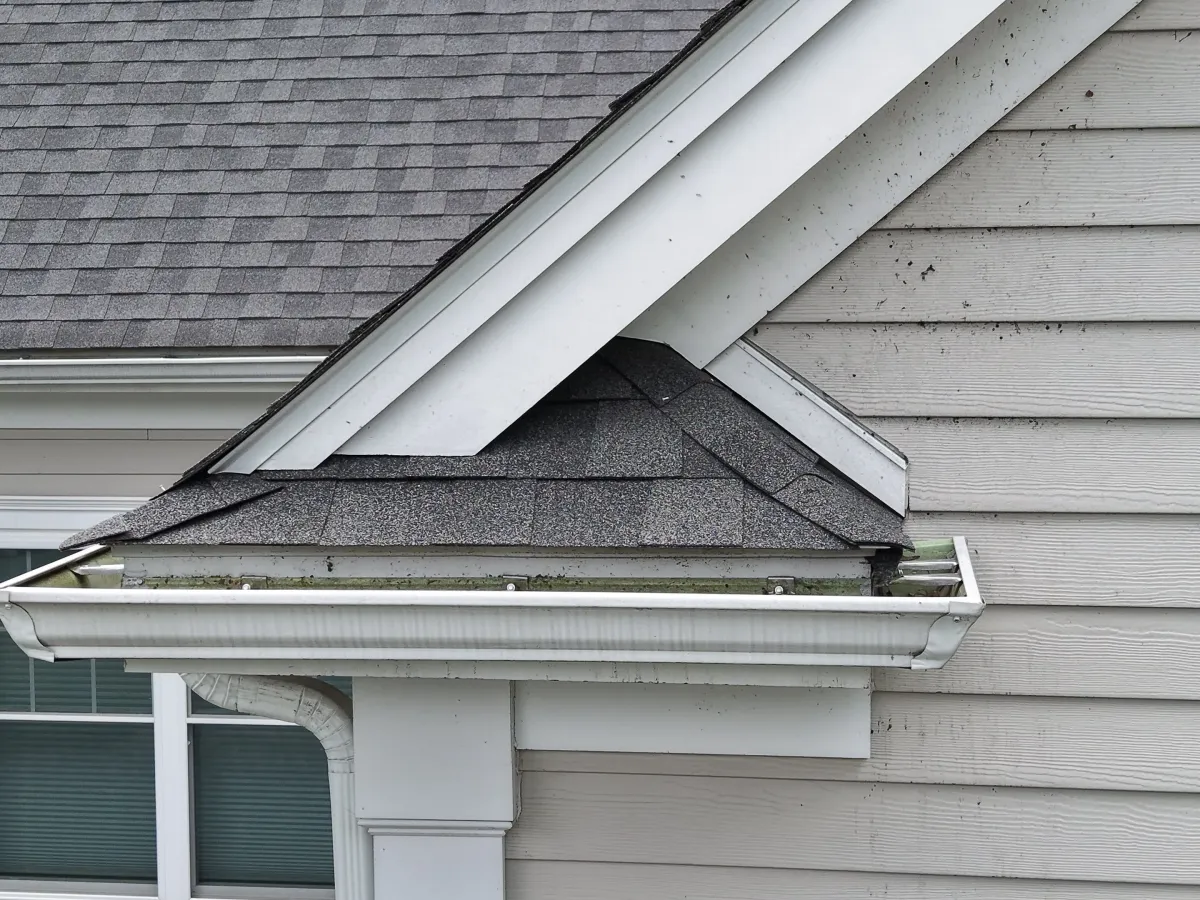
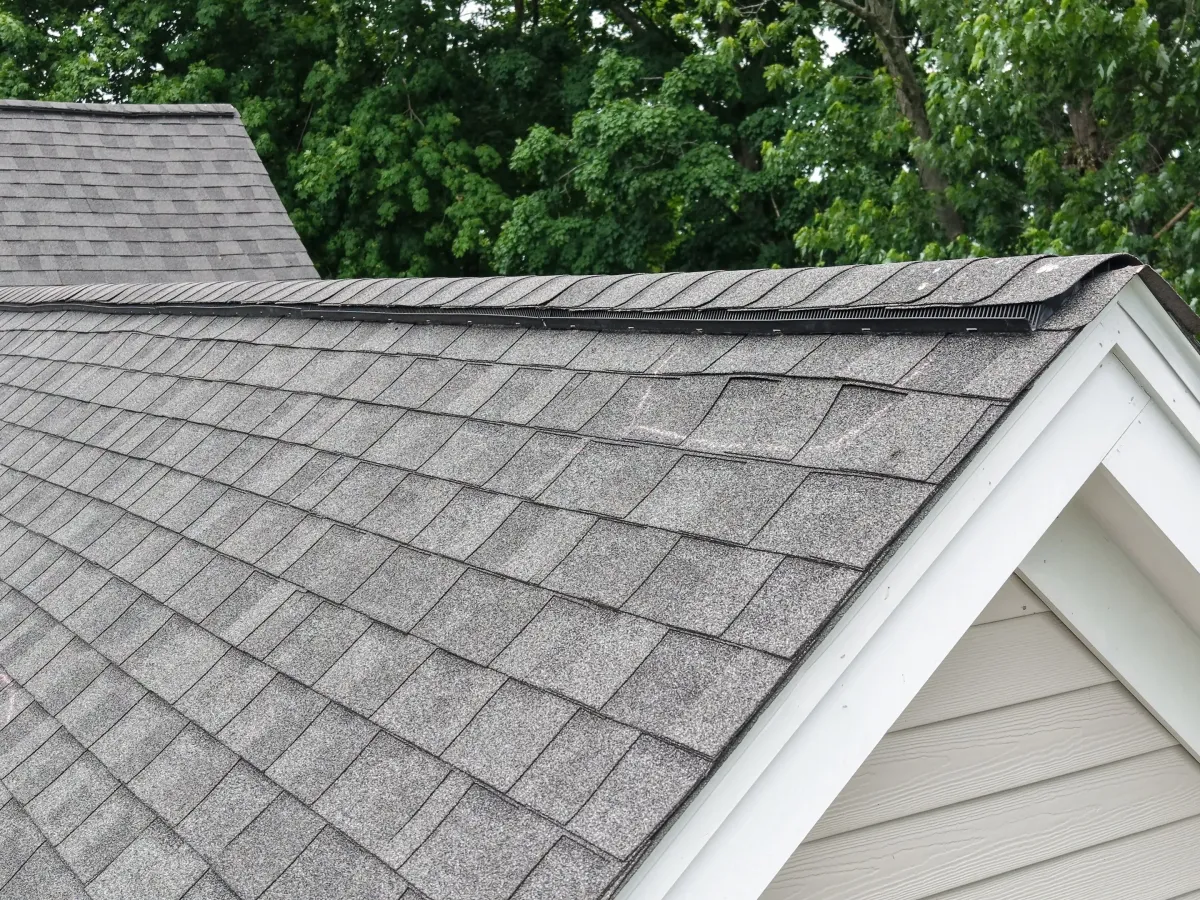
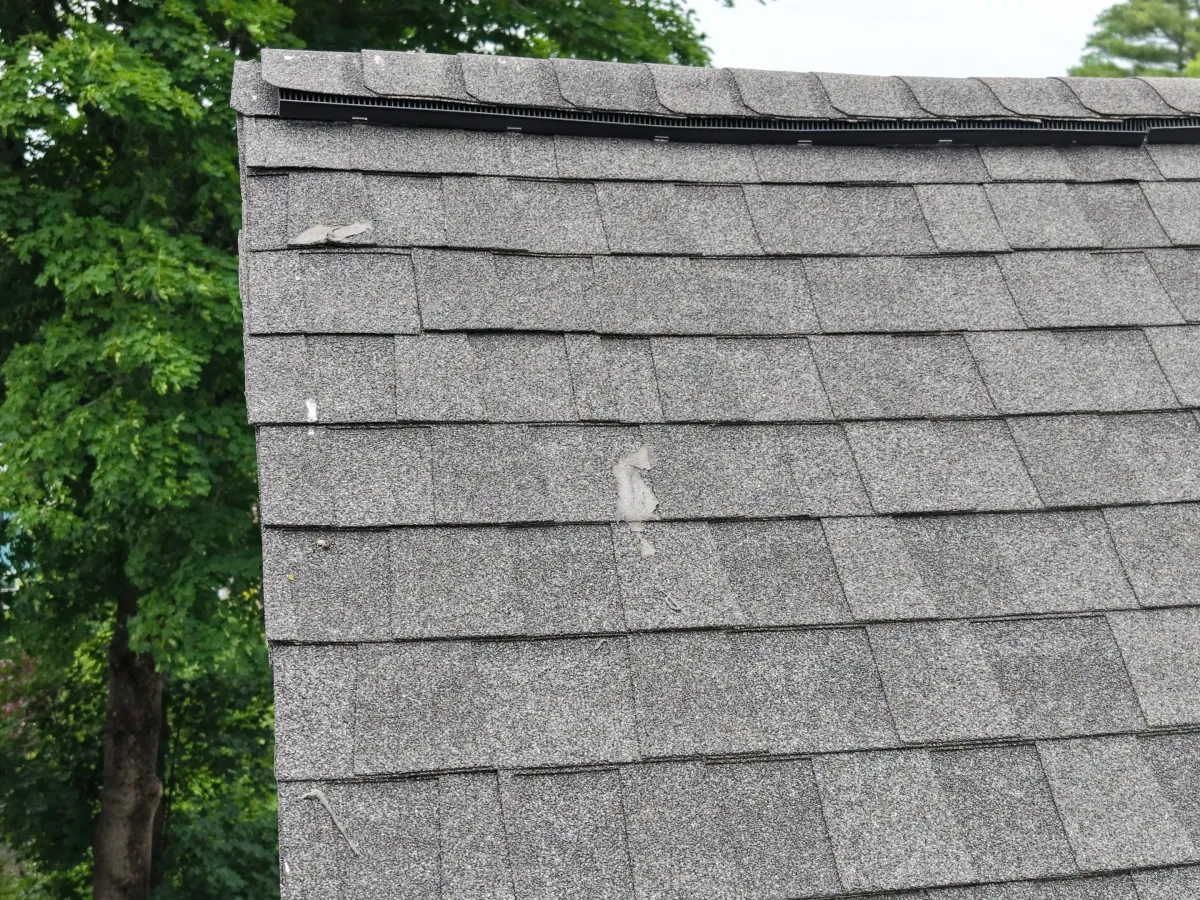
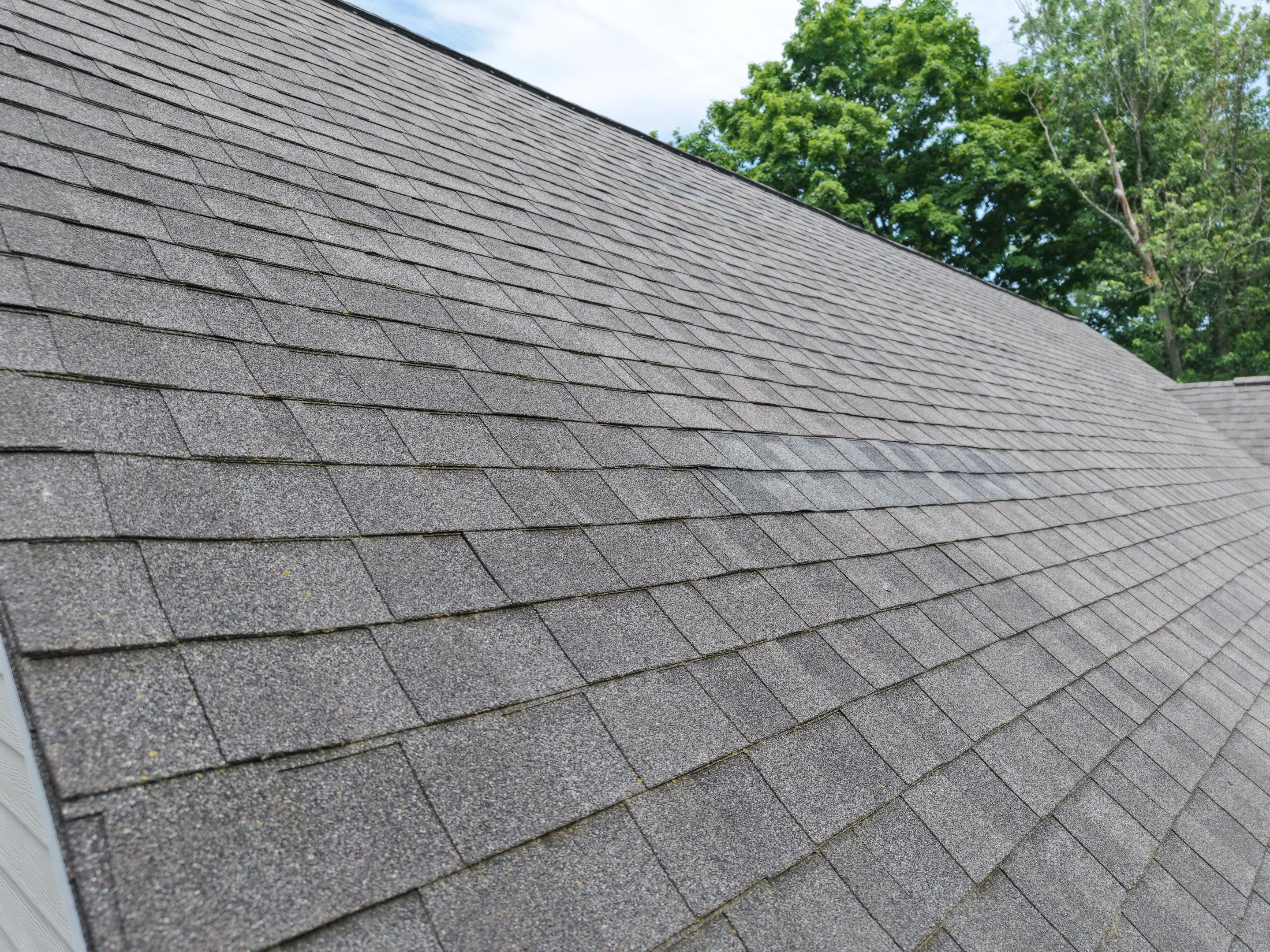
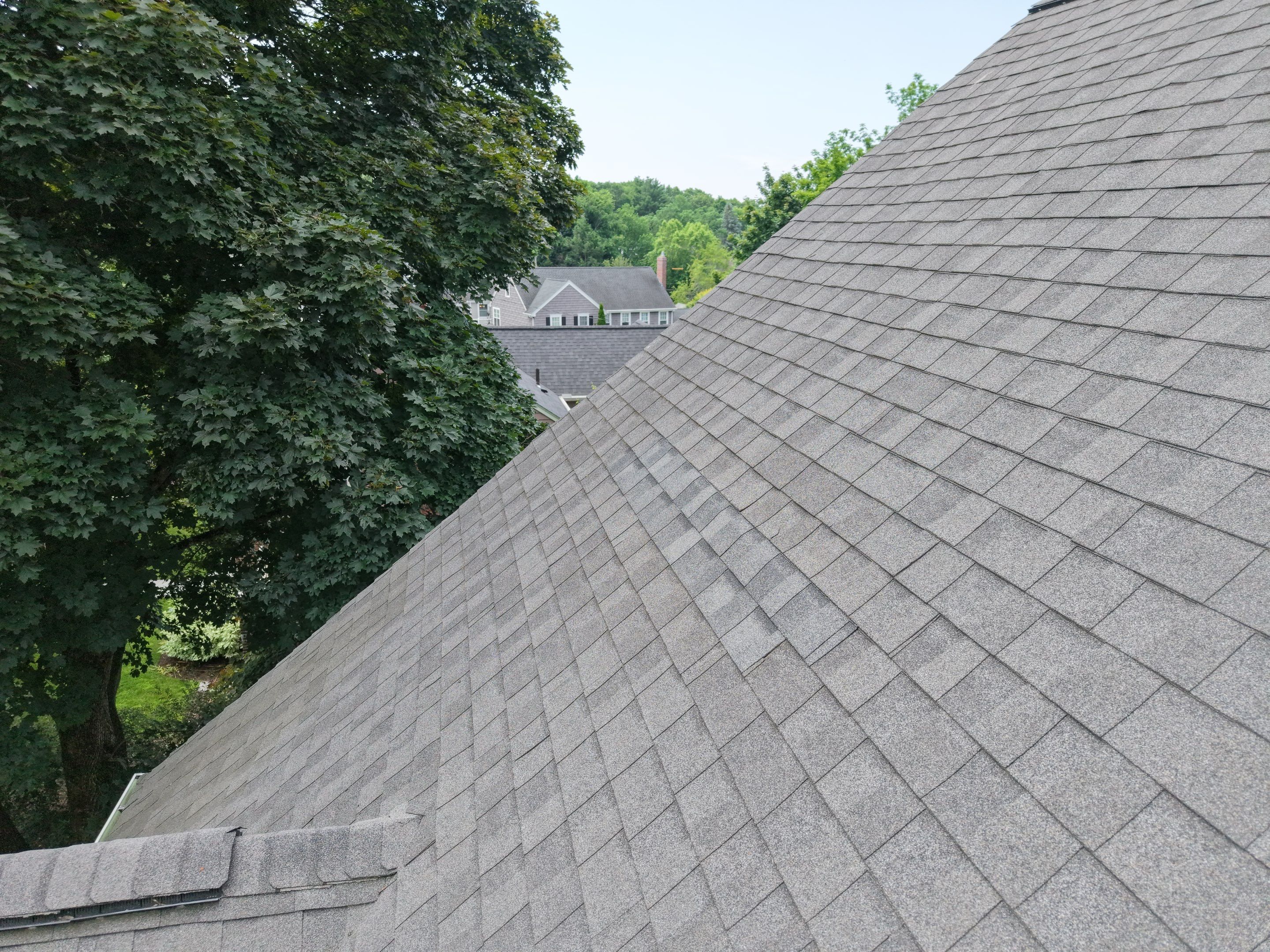
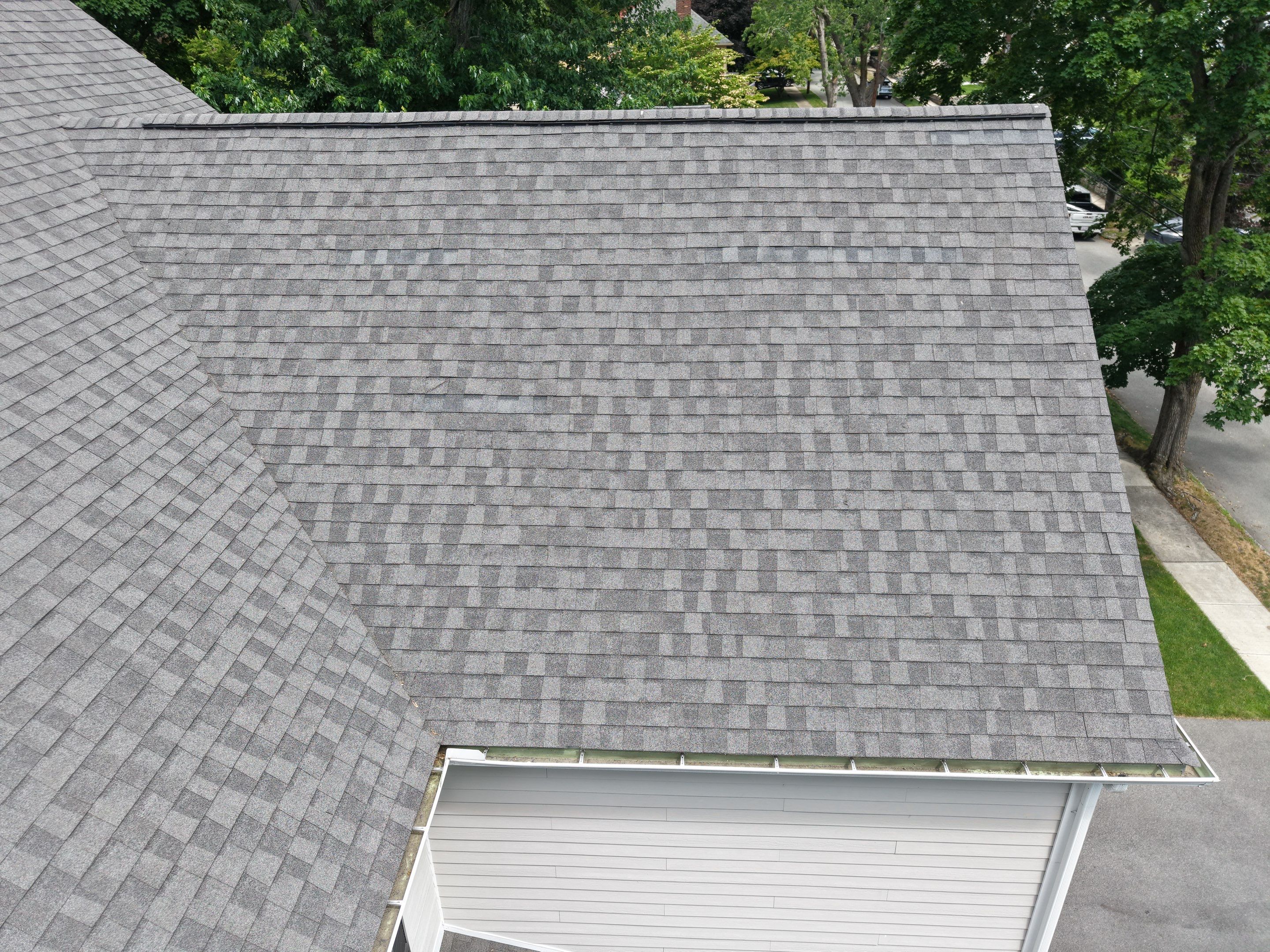
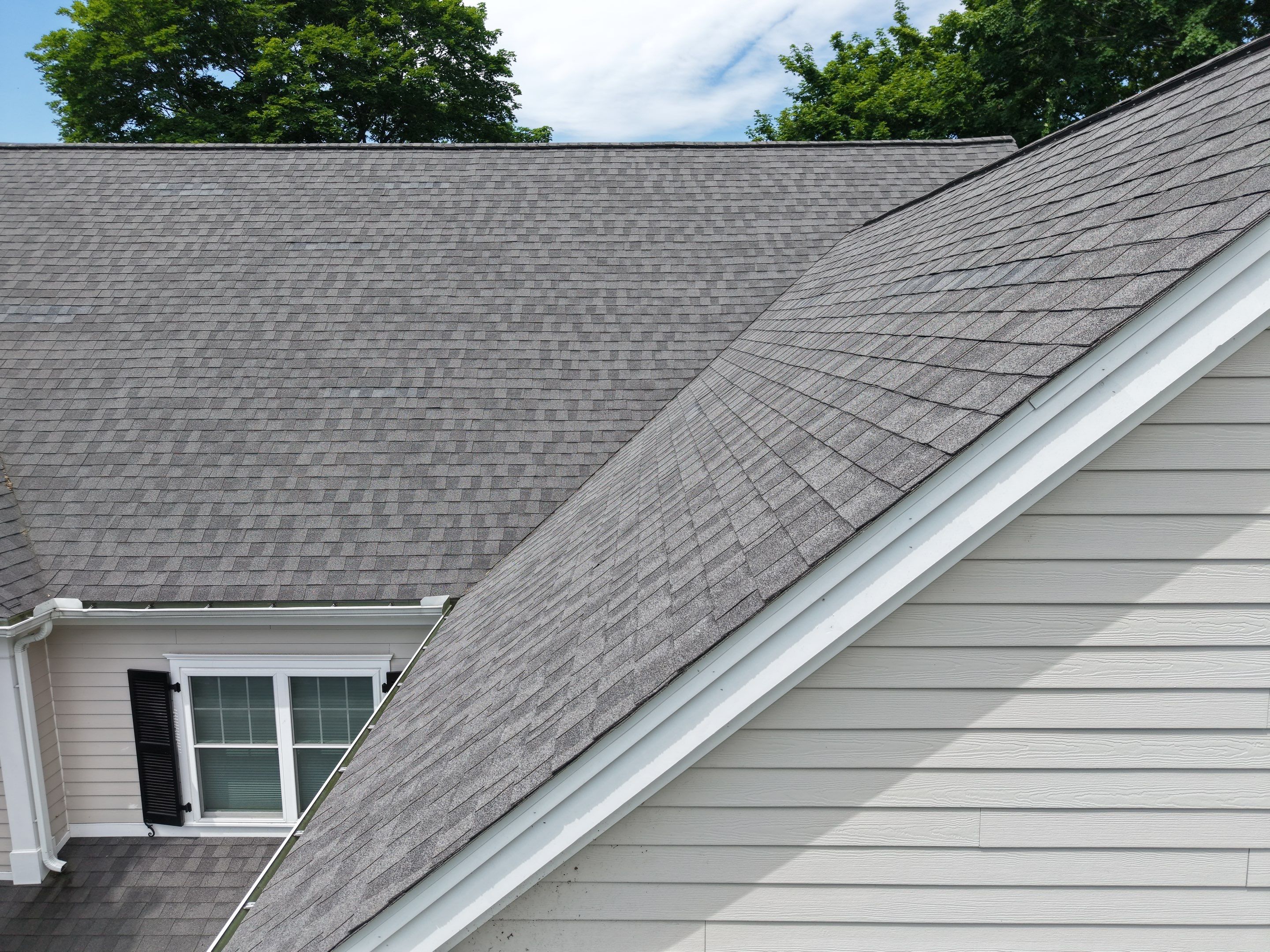
The inspection found loose and displaced shingles along the lower front roof sections and small side returns. In these areas, the shingles were no longer lying in their intended position, reducing the overlap that helps shed rain and resist wind.
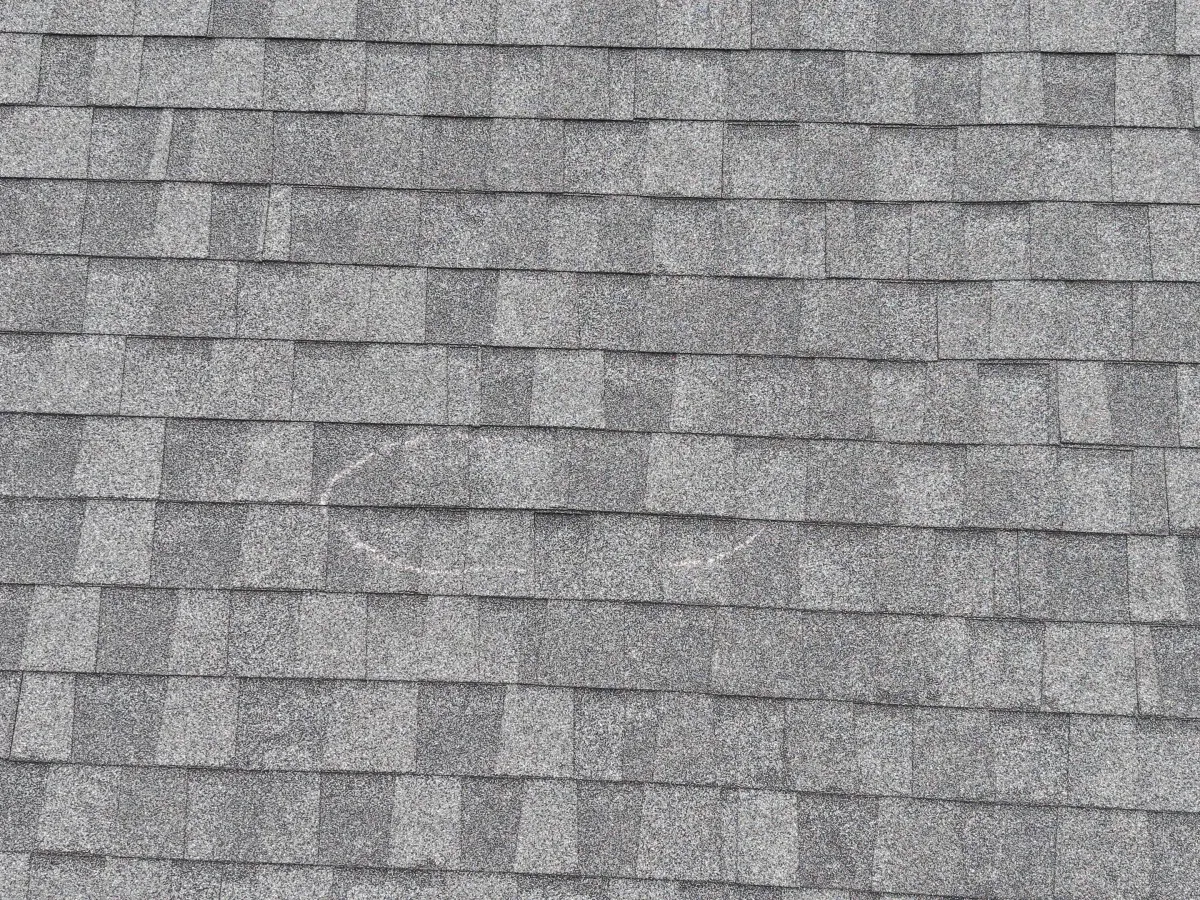
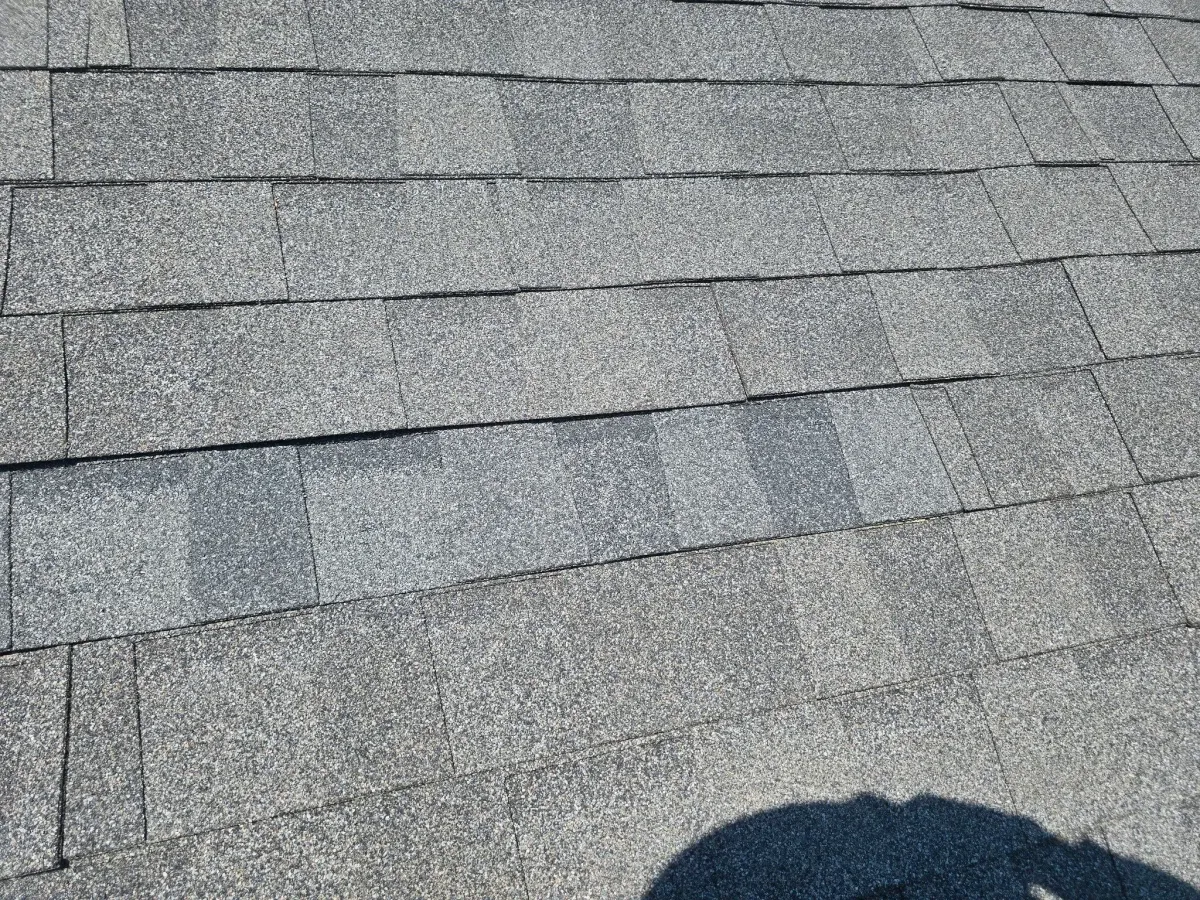
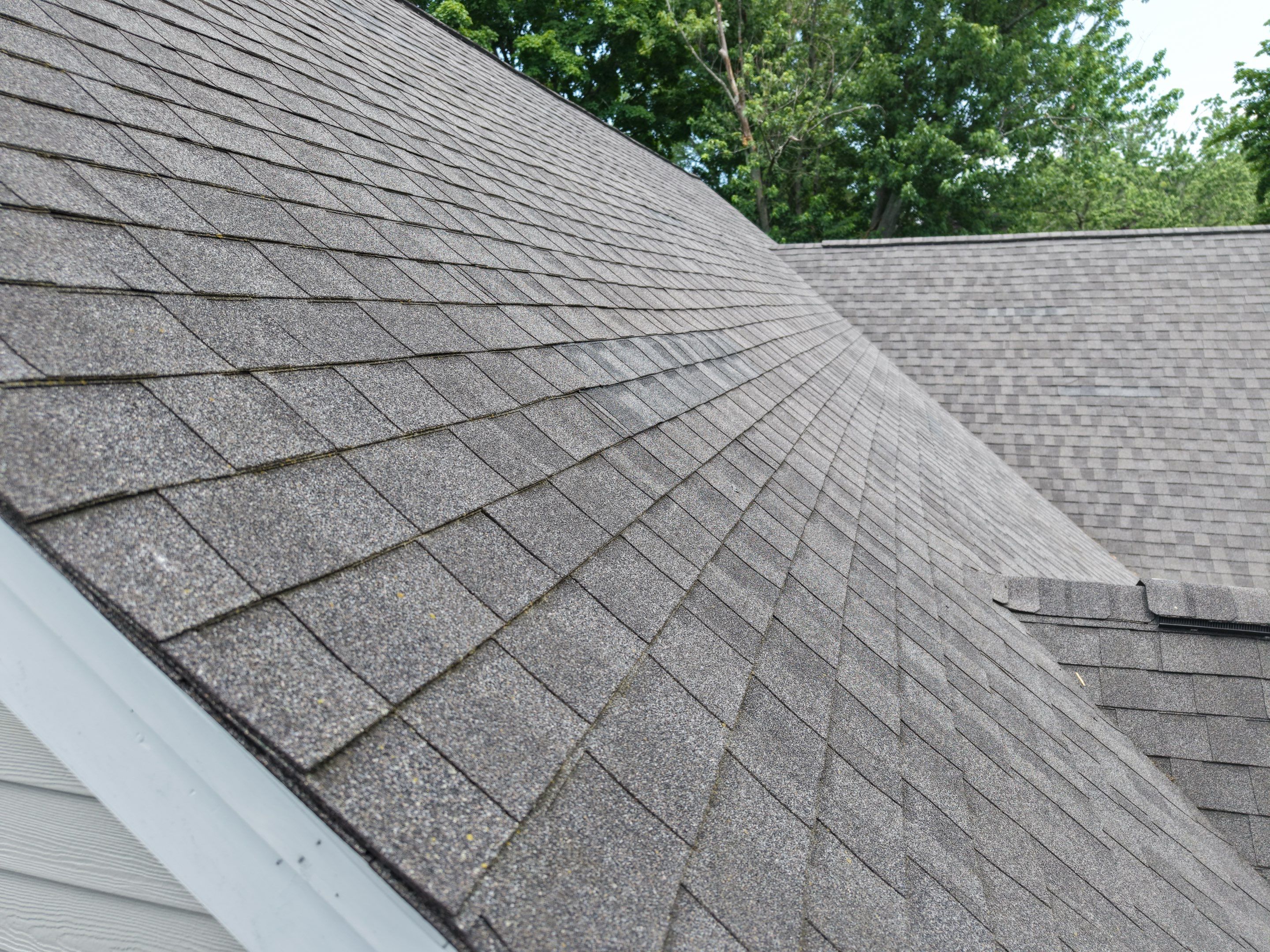
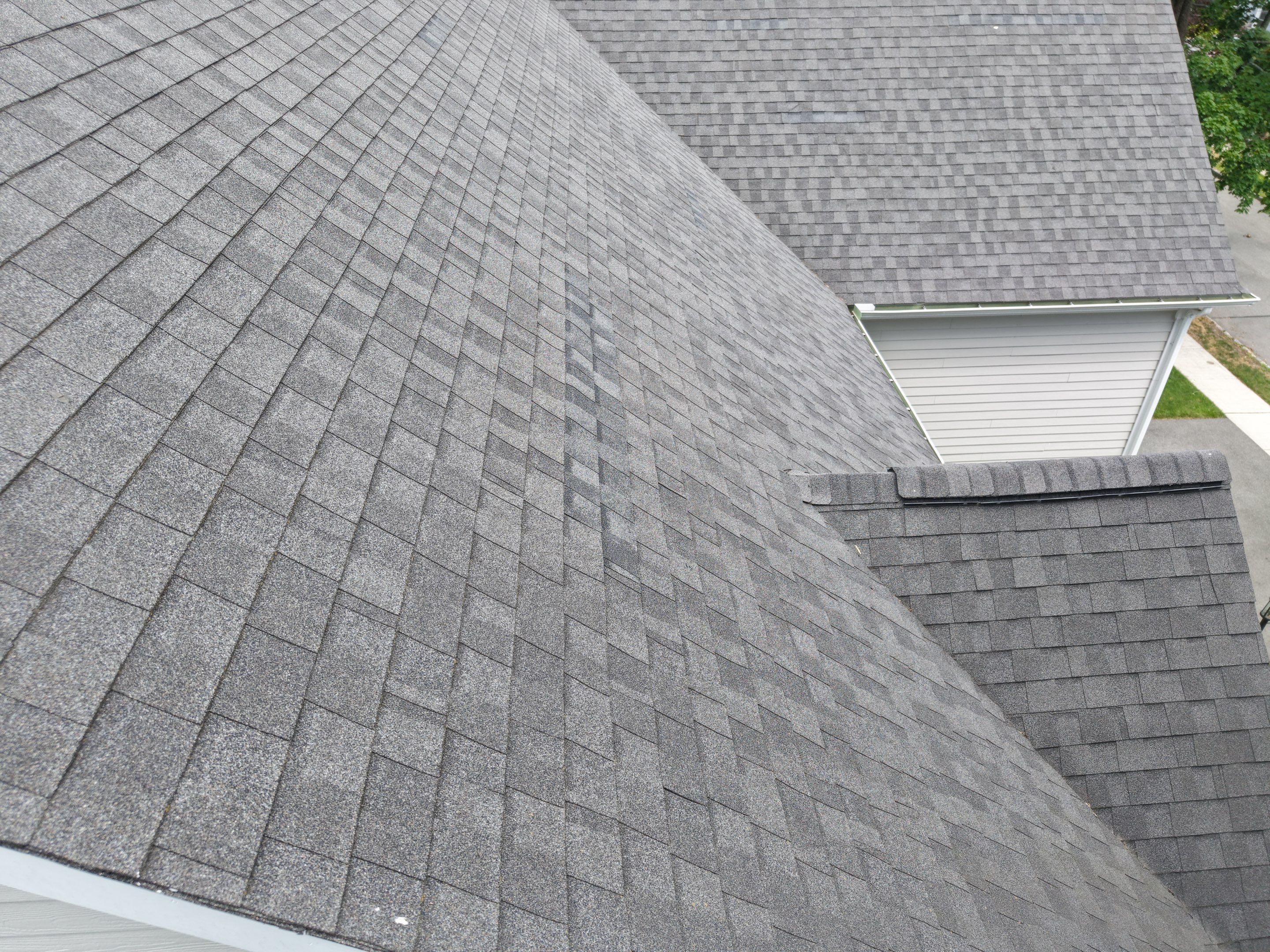
Raised and wavy shingles were also visible across multiple main roof slopes. No clear attic staining was found at the time of inspection, but this type of movement was unusual for a roof of this age and suggested that the surface below should be checked during the repair.
What the Inspection Revealed
The inspection found loose and displaced shingles along the lower front roof sections and small side returns. In these areas, the shingles were no longer lying in their intended position, reducing the overlap that helps shed rain and resist wind.
Raised and wavy shingles were also visible across multiple main roof slopes. No clear attic staining was found at the time of inspection, but this type of movement was unusual for a roof of this age and suggested that the surface below should be checked during the repair.
Why Localized Repair Made Sense
The roof remained generally serviceable, and the visible concerns were concentrated in specific areas. A full replacement would have removed roofing that still had useful life remaining.
The practical recommendation was to open the affected areas, inspect what was underneath, correct accessible movement, and restore the roof covering with replacement shingles. This approach addressed the actual problem while avoiding unnecessary work.


What We Found Beneath the Shingles
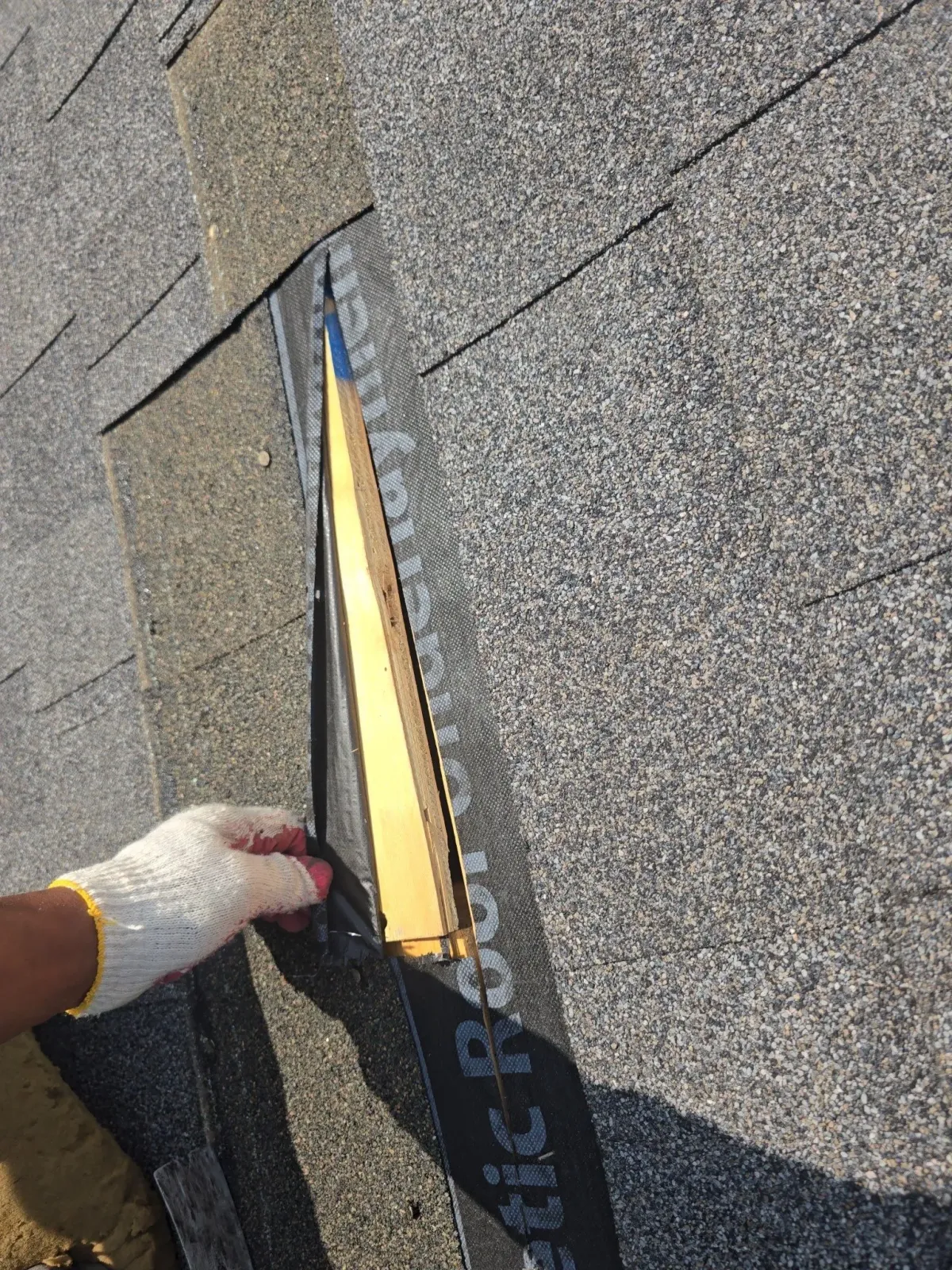
Once the affected shingles were lifted, the crew confirmed that sections of plywood were moving because they had not been secured properly. This explained why the shingles above appeared raised and uneven.
The accessible decking was secured before new roofing materials were installed. Addressing the movement underneath mattered because replacing only the visible shingles would have left the cause of the problem in place.
What We Found Beneath the Shingles
Once the affected shingles were lifted, the crew confirmed that sections of plywood were moving because they had not been secured properly. This explained why the shingles above appeared raised and uneven.
The accessible decking was secured before new roofing materials were installed. Addressing the movement underneath mattered because replacing only the visible shingles would have left the cause of the problem in place.
The Repair Process
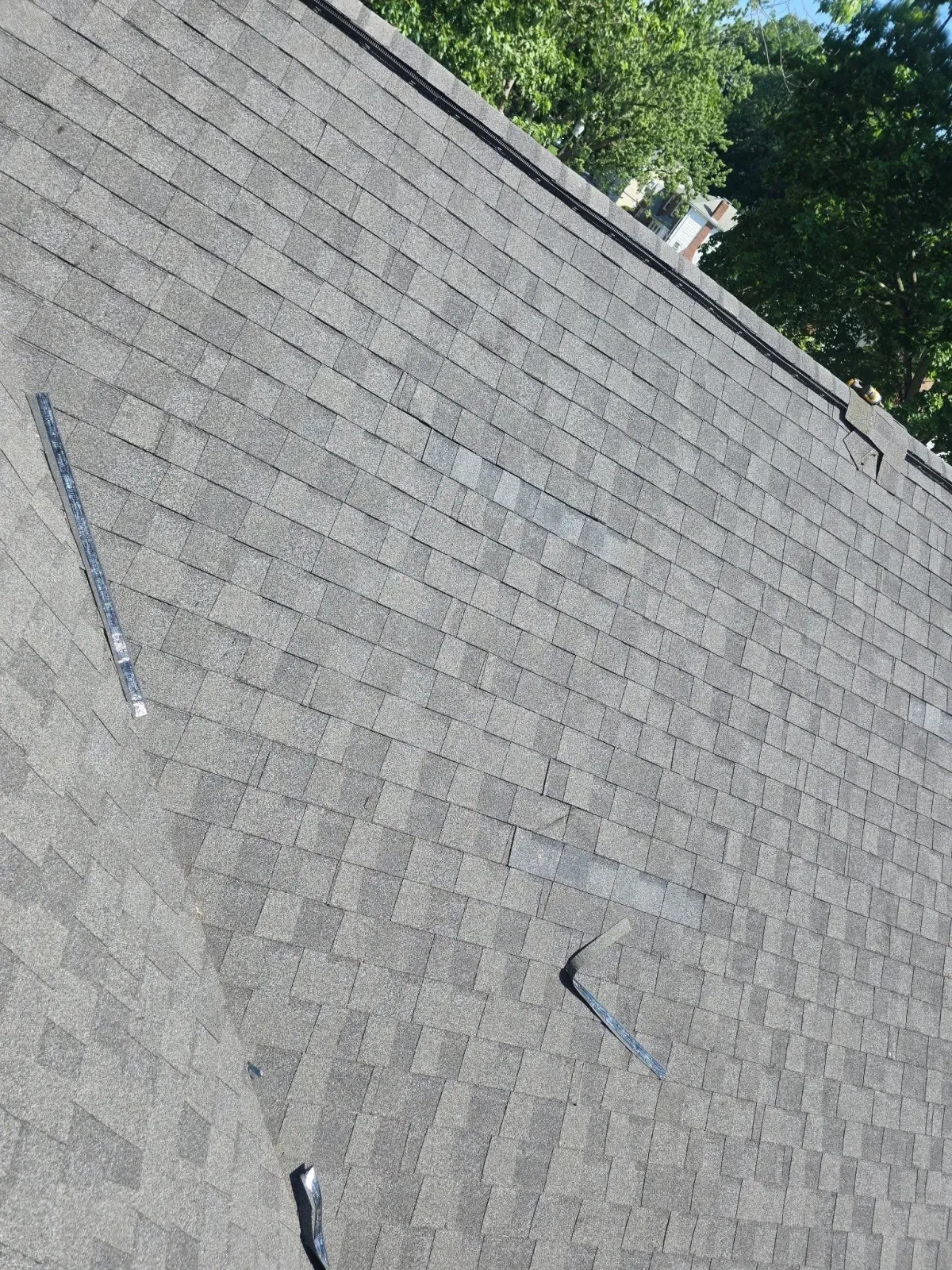
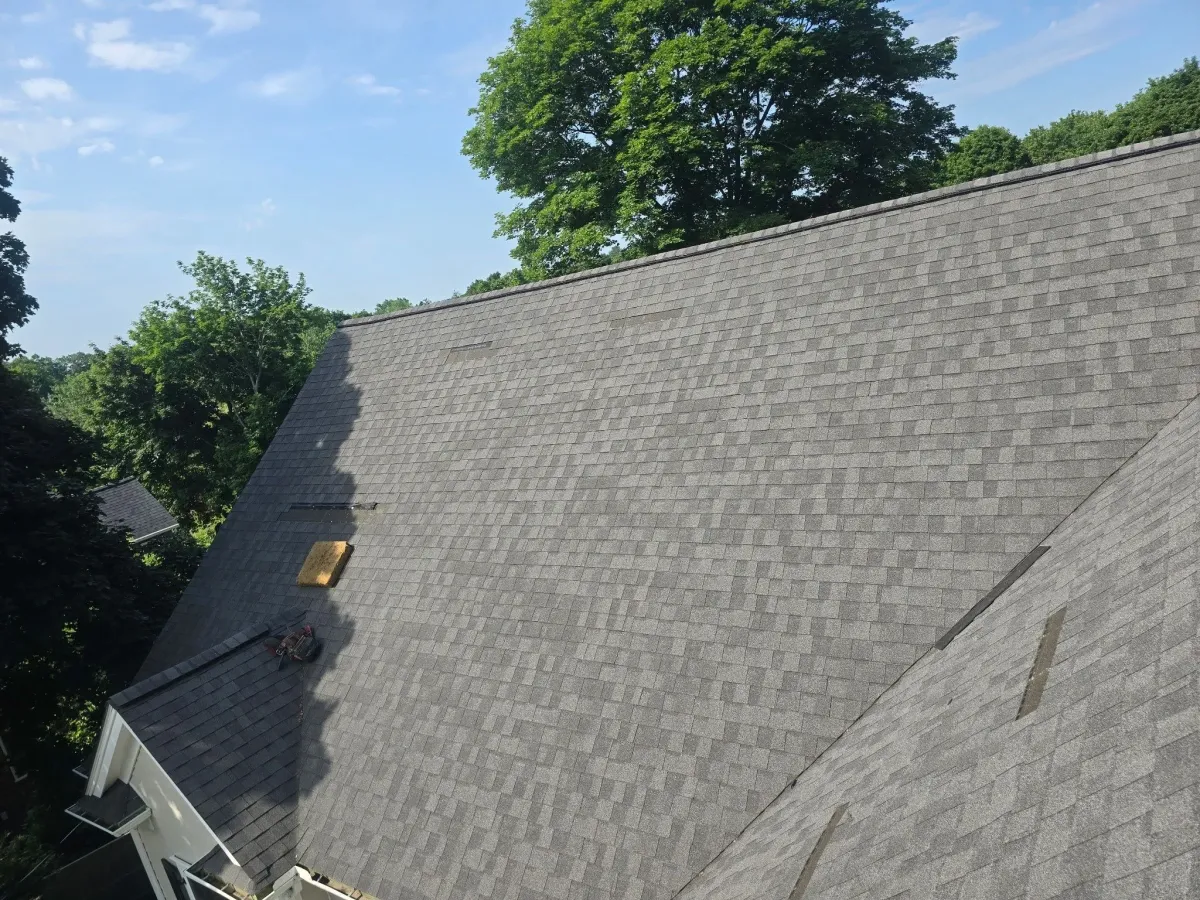
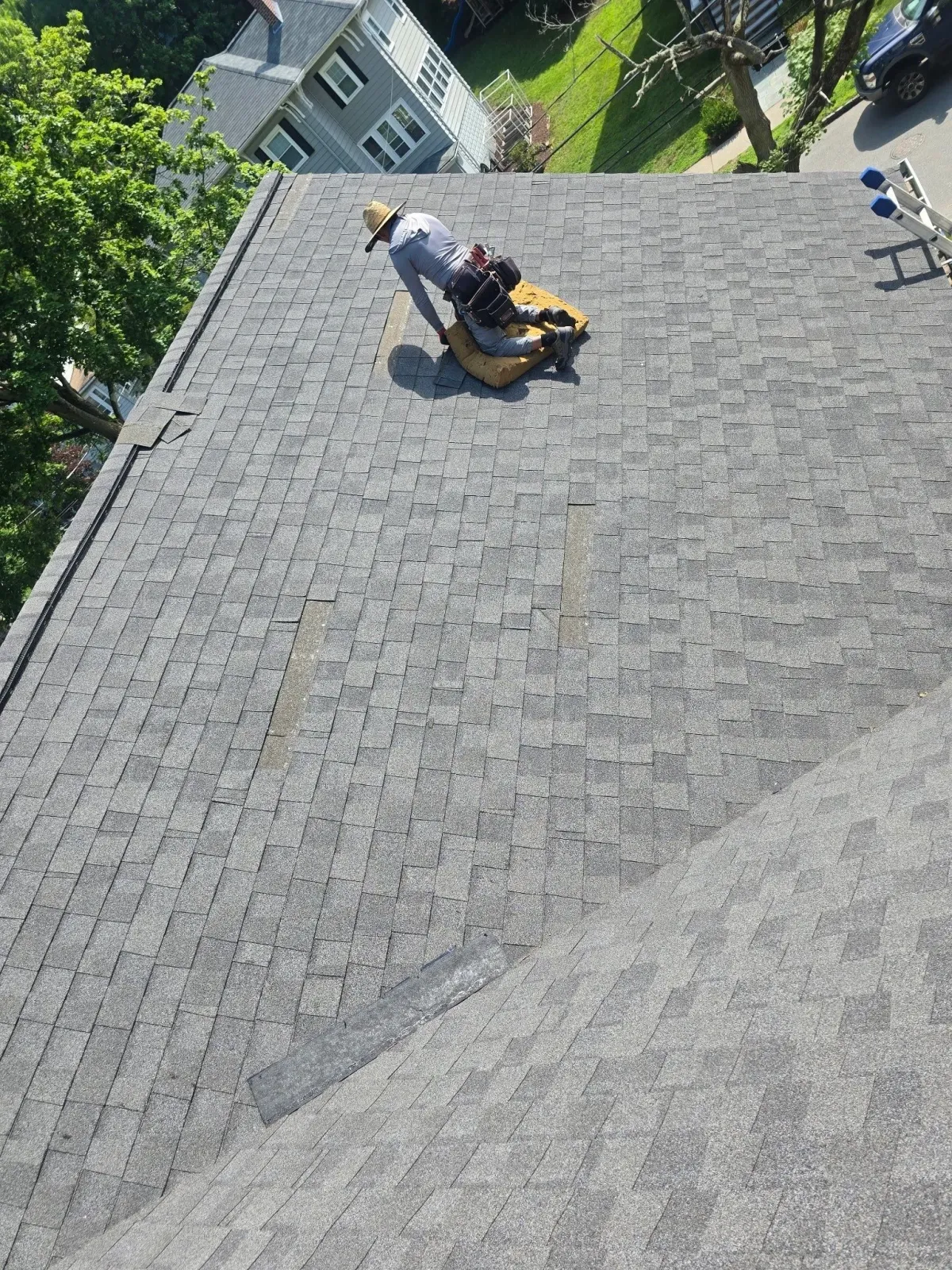
The crew carefully removed damaged shingles in the designated areas and inspected the exposed surface for loose fasteners, damaged materials, and signs of water entry. Accessible plywood was secured, underlayment was added where needed, and new architectural shingles were installed to match the existing roof as closely as practical.
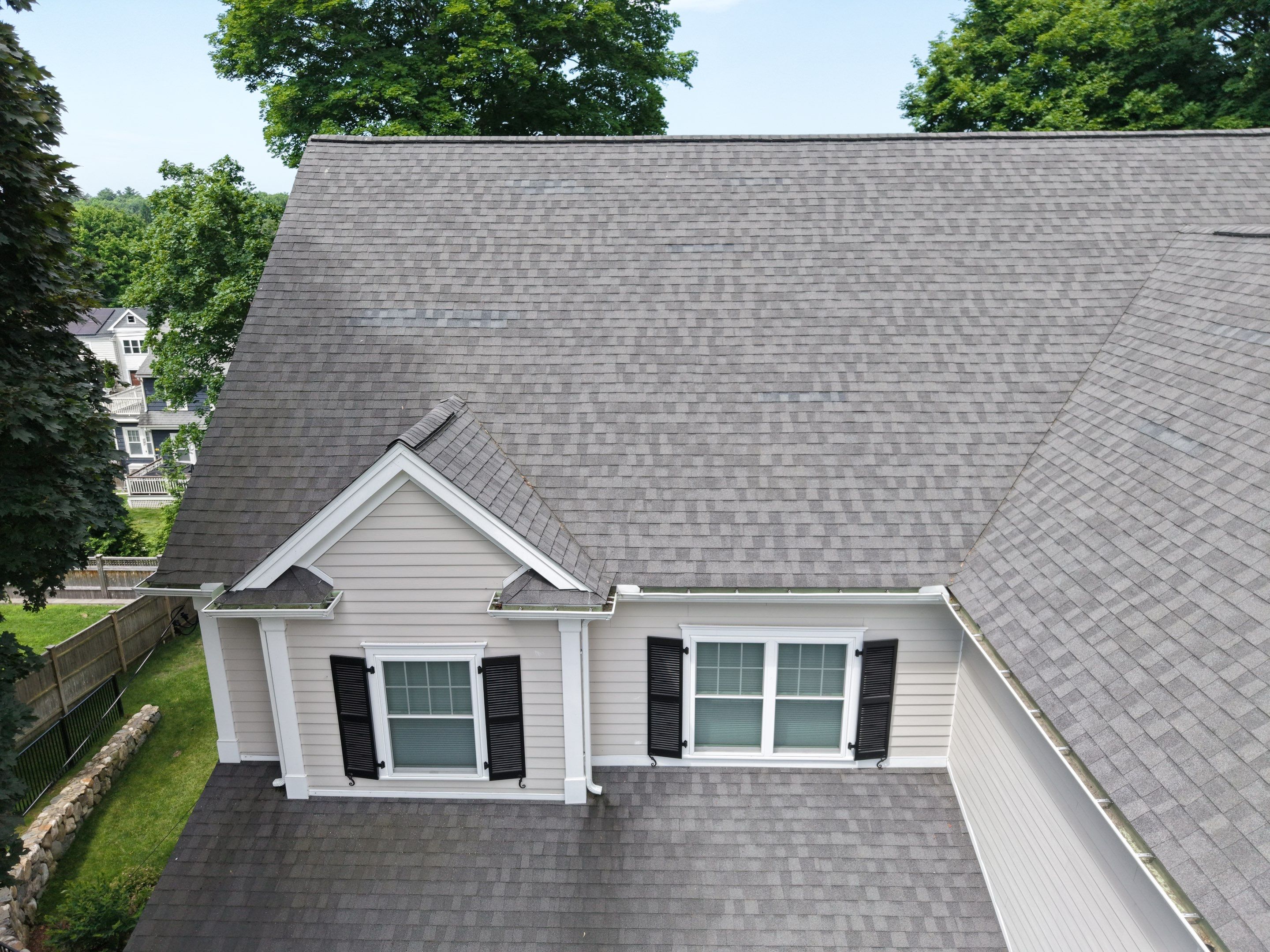
The repaired sections were blended into the surrounding roof so they could shed water properly while maintaining a clean, consistent appearance.
The Repair Process
The crew carefully removed damaged shingles in the designated areas and inspected the exposed surface for loose fasteners, damaged materials, and signs of water entry. Accessible plywood was secured, underlayment was added where needed, and new architectural shingles were installed to match the existing roof as closely as practical.
The repaired sections were blended into the surrounding roof so they could shed water properly while maintaining a clean, consistent appearance.
The Finished Result
The completed repair restored proper shingle alignment in the affected areas and corrected accessible roof-deck movement beneath them.
For the homeowner, the value was not simply having a few shingles replaced. It was understanding why a relatively new roof was showing movement and correcting the underlying condition before it had the chance to create a larger problem.
The Finished Result
The completed repair restored proper shingle alignment in the affected areas and corrected accessible roof-deck movement beneath them.
For the homeowner, the value was not simply having a few shingles replaced. It was understanding why a relatively new roof was showing movement and correcting the underlying condition before it had the chance to create a larger problem.


Seeing Loose or Wavy Shingles on a Newer Roof?
Shingle movement does not always mean the whole roof needs to be replaced. A detailed inspection can help determine whether the issue is isolated, what may be happening underneath, and which repair option makes the most sense.

Seeing Loose or Wavy Shingles on a Newer Roof?
Shingle movement does not always mean the whole roof needs to be replaced. A detailed inspection can help determine whether the issue is isolated, what may be happening underneath, and which repair option makes the most sense.
Frequently Asked Questions
Can loose shingles cause roof leaks?
Yes. When shingles shift or lose proper overlap, wind-driven rain can reach the underlayment and roof deck. Repairing displaced shingles helps restore the roof’s normal water-shedding pattern.
What causes shingles to buckle or look wavy?
Possible causes include movement in the roof decking, improper fastening, moisture-related expansion, ventilation conditions, or installation issues. The correct repair depends on what is found beneath the shingles.
Can roof-deck movement be repaired without replacing the entire roof?
Sometimes. When the movement is limited and accessible through a localized repair area, the decking may be secured before the shingles are replaced. Widespread movement may require a broader evaluation.
How do I know whether my roof needs repair or replacement?
The decision depends on the roof’s overall age and condition, how widespread the damage is, and whether the underlying system remains dependable. A roof inspection helps separate isolated repair needs from system-wide failure.
Is it worth repairing a roof that is only a few years old?
Yes. When most of the roof remains in good condition, correcting isolated installation or decking issues can protect the homeowner’s investment and avoid premature replacement.
Will replacement shingles match the existing roof exactly?
An exact match cannot always be guaranteed because existing shingles may have weathered and product colors can change over time. The closest practical match is selected based on available materials.
Do you provide roof inspections and repairs in Winchester, MA?
Yes. Peak Quality Roofing provides roof inspections, localized roof repairs, and complete roof replacement services in Winchester and nearby Greater Boston communities.

CUSTOMER CARE
OFFICE LOCATION
58 Mount Vernon Ave, Melrose, MA 02176

FOLLOW US ON




Copyright 2025. All rights reserved.
Website by Pure Value Advisors

We provide honest roof inspections and clear reports so you can make confident decisions about your home.
OUR SERVICES
Gutter
Skylight
Snow & Ice Removal
SERVICE LOCATIONS
OFFICE LOCATION
58 Mount Vernon Ave, Melrose, MA 02176