 7 min Read
Siding
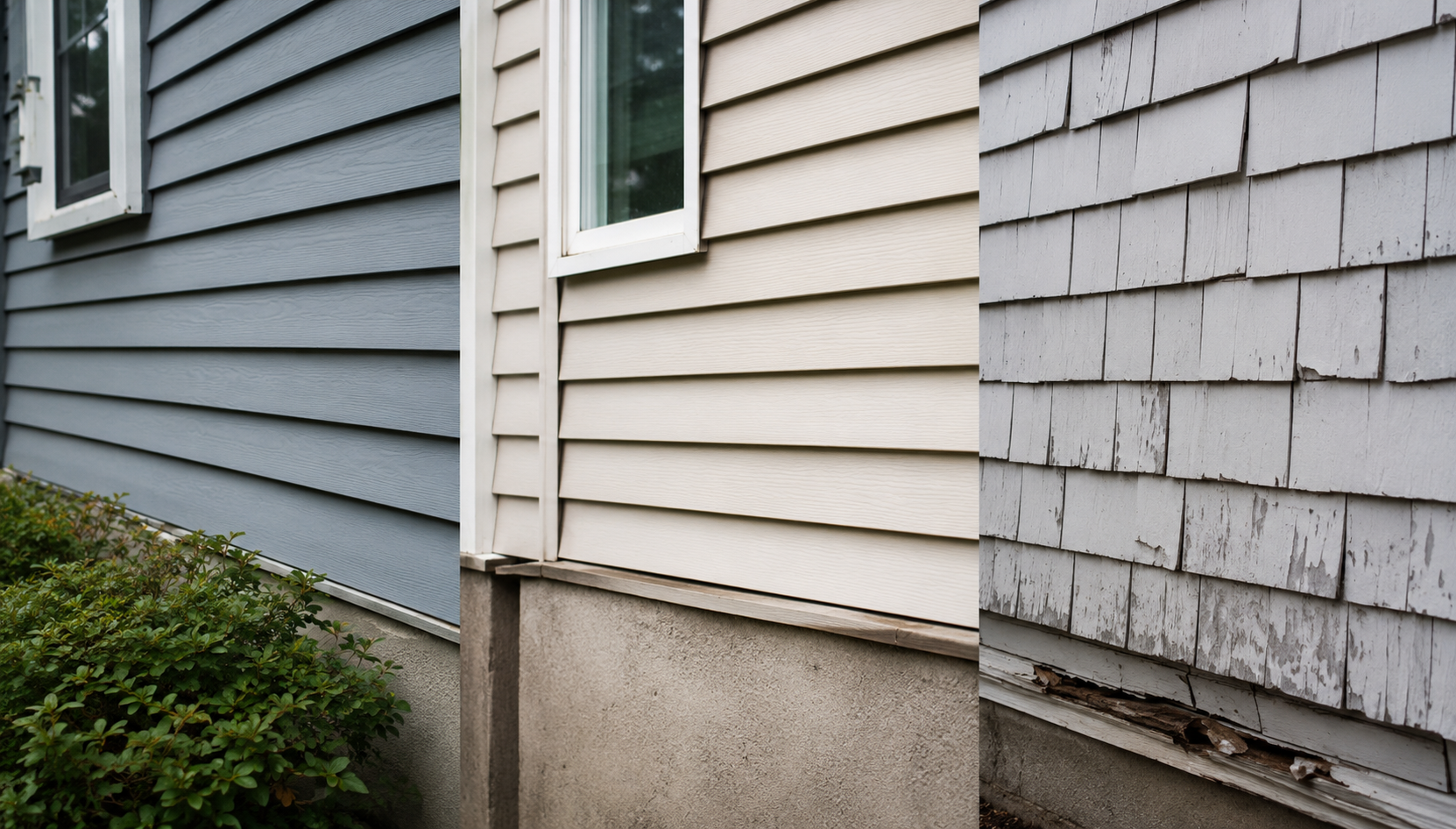
Fiber Cement vs. Vinyl vs. Clapboard Siding
Compare common siding options for Massachusetts homes, including durability, maintenance, and long-term value.

Articles
7min Read
If you are seeing water stains near your chimney after heavy rain, the chimney itself may not be the only problem.
In many Massachusetts homes, the real issue is the connection between the roof and the chimney. That area needs proper flashing to move water around the chimney and away from the roof system.
When the flashing is missing, reused, patched with roof cement, or installed poorly, water eventually finds a way in. If you are already seeing stains or active leaking, start with a roof inspection, so the roof-to-chimney connection can be checked properly.
Here’s what homeowners should know before adding more caulk or calling it “just a chimney leak.”
A chimney interrupts the roof surface. Water naturally runs down the roof, hits the chimney, and needs to be directed around it.
If the flashing is not done properly, water can get behind the shingles, behind the flashing, or into the chimney masonry.
Water does not need a large opening. It only needs one weak point.
This is especially true in Massachusetts, where homes deal with heavy rain, snow, freeze/thaw cycles, and older masonry. A small flashing issue can turn into a recurring leak if it is not handled correctly. That is why our process focuses on finding the actual source of the leak before recommending the next step.

Chimney flashing is the metal system that helps keep water out where the roof meets the chimney.
A proper chimney flashing system usually includes two important parts: step flashing and counter flashing.
Step flashing goes along the sides of the chimney. It is installed piece by piece with each row of shingles. Its job is to move water away from the roof and chimney connection.
Counter flashing is installed into the chimney itself, usually cut into the mortar joints. It overlaps the step flashing and protects the top edge so water cannot get behind it.
The two pieces need to work together.
Step flashing helps guide water away. Counter flashing protects the step flashing. If one part is missing, reused, poorly overlapped, or just caulked to the face of the chimney, the system is weak.

We see similar issues during inspections where hidden installation problems do not show from the ground. You can see an example in our hidden installation issues roof replacement project in Malden.
Common problems include:
No step flashing
No proper counter flashing
Flashing nailed or caulked directly to the chimney face
Counter flashing not cut into the mortar joints
Flashing pieces that do not overlap correctly
Old flashing reused during a roof replacement
Exposed roof cement or tar used instead of real flashing
Too much reliance on caulking
These issues may not leak immediately. That is part of the problem. A roof can look fine from the ground while water is slowly getting behind the flashing during storms.
Eventually, the leak shows up inside the home.

One of the most common things we see around chimney leaks is roof cement.
A homeowner notices a leak. Someone comes out. The “repair” is a heavy layer of tar or roof cement smeared around the chimney.
That may stop water temporarily because it creates a barrier. But it is not a proper long-term flashing system.
Over time, roof cement dries out, cracks, separates, and pulls away. Once that happens, water can get trapped around the chimney. On older Massachusetts chimneys, that trapped moisture can sit against brick and mortar joints and make the masonry worse over time.
For recurring leaks, a proper roof leak repair evaluation is usually a better next step than adding another layer of tar.
It might buy time in some situations, but it should not be treated as the final fix for a roof leak around a chimney.
Many homeowners assume that if they paid for a new roof, the chimney flashing was replaced too.
That is not always the case.
We often see newer roofs where the old chimney flashing is still in place. This usually happens when a contractor is trying to save time or avoid the harder part of the job.
The problem is that old flashing may already be bent, corroded, poorly sealed, or not compatible with the new roof system.
A new roof with old flashing can still leak.
That is why chimney flashing should always be reviewed carefully during a roof replacement or leak inspection. On asphalt shingle roofs, the flashing details around chimneys, skylights, valleys, and roof penetrations are just as important as the shingles themselves.
Learn more about our asphalt roofing work and how the full roof system needs to work together.

Some chimneys are wide enough that water and debris collect behind them.
When water hits the back of a wide chimney, it needs somewhere to go.
If there is no proper drainage path, snow, leaves, and rainwater can sit behind the chimney. Over time, that increases the chance of a leak.
A chimney cricket is a small roof structure built behind the chimney to divert water around it. The cricket helps move water to both sides of the chimney instead of allowing it to sit behind the brick.
Massachusetts code also addresses this. Under 780 CMR, chimneys generally need a cricket or saddle when the chimney is more than 30 inches wide on the roof side where water would be blocked. The cricket also needs to be properly flashed and counterflashed so it works with the rest of the roof system.
Not every chimney needs a cricket. But when a chimney is wide enough to trap water or when the code requires one, it should be part of the inspection conversation.

Not every chimney leak is only a flashing issue.
Sometimes the chimney masonry is part of the problem too. During an inspection, it is important to look for:
Cracked mortar joints
Loose or damaged bricks
A deteriorated chimney crown
A missing or failing chimney cap
Brick damage caused by moisture
Old tar or roof cement trapping water against the chimney
If the masonry is too deteriorated, flashing alone may not solve the issue. During our inspection process, we separate what appears to be a roofing/flashing issue from what may need masonry attention, then explain the findings clearly.

If you are seeing water stains near your chimney, or if the same chimney leak has been repaired more than once, do not keep adding more caulk or tar.
The better next step is a proper inspection of the roof-to-chimney connection. If you are in Melrose or a nearby community, you can contact Peak Quality Roofing to schedule an inspection and get clear answers.
Common problems include:
Step flashing
Counter flashing
Mortar joints
Chimney crown
Chimney cap
Shingle condition
Old roof cement or tar
Whether a cricket is needed
The goal is not just to stop the leak for the next storm. The goal is to find the real reason water is getting in.
If you are seeing water stains near your chimney, or if the same chimney leak keeps coming back after repairs, Peak Quality Roofing can inspect the roof-to-chimney connection and help determine whether the issue is flashing, masonry, or both.
We will look at the full area, explain what we find, and give you clear recommendations without pressure.
Schedule a roof inspection today and get clear answers before the damage gets worse.
Call Peak Quality Roofing: 781-650-7458
Service areas: Melrose, Medford, Malden, Stoneham, Wakefield, Everett, Winchester, and nearby North Boston communities.

Written By: Jim Rincon
Jim Rincon is the owner of Peak Quality Roofing, a locally owned roofing company based in Melrose, Massachusetts. Jim and the PQR team help homeowners with roof leak inspections, chimney flashing issues, roof repairs, roof replacement, gutters, siding, skylights, and related exterior work across Melrose and nearby North Boston communities.
7 min Read
Siding
Compare common siding options for Massachusetts homes, including durability, maintenance, and long-term value.
 6 min Read
Siding
Learn how siding replacement can affect curb appeal, protection, energy performance, and resale value.
 5 min Read
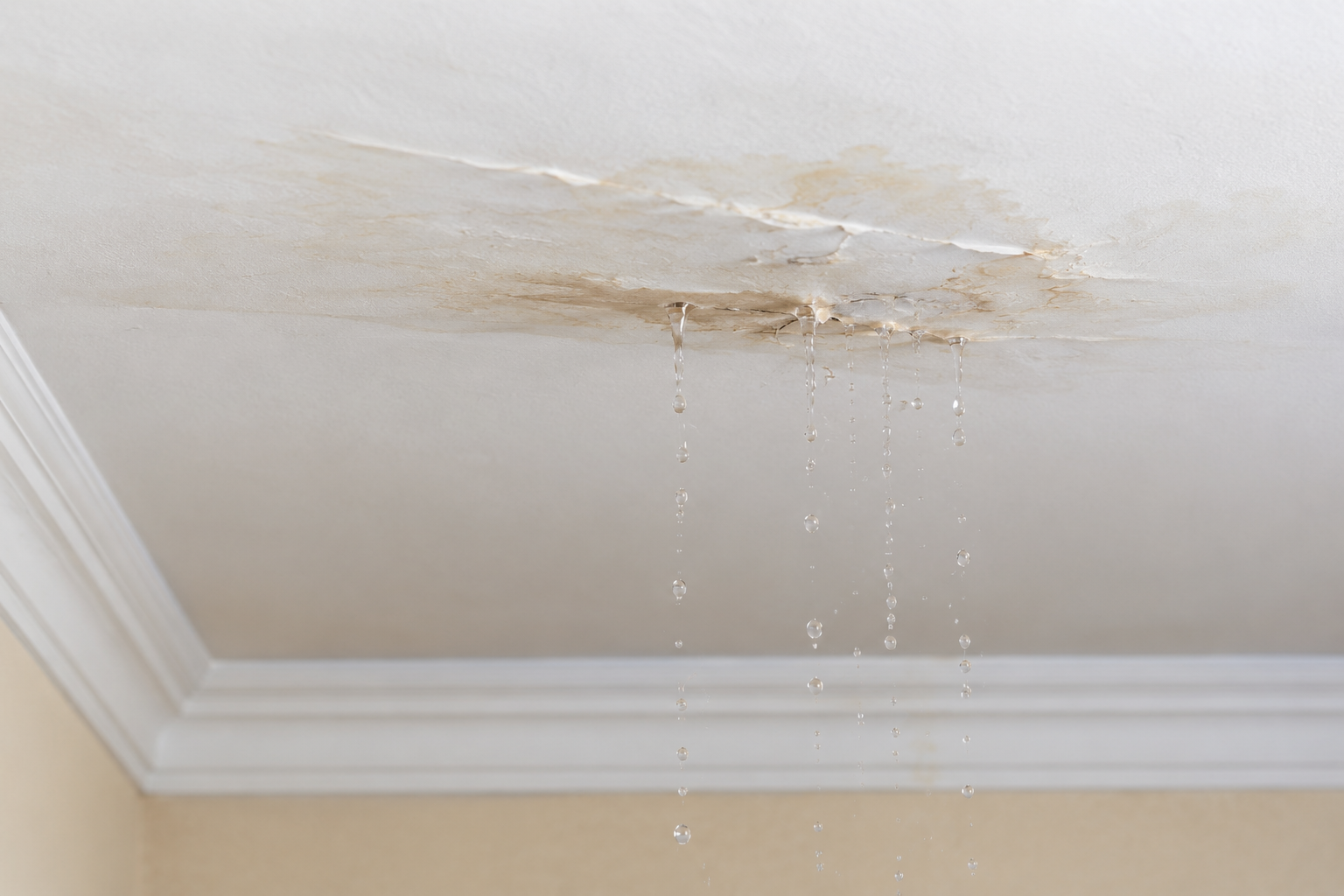
Roof Leaks
Seeing active water coming in? Here are the first steps to take before the damage gets worse.
Fill out the form below and Peak Quality Roofing will follow up with you.

CUSTOMER CARE
OFFICE LOCATION
58 Mount Vernon Ave, Melrose, MA 02176

FOLLOW US ON




Copyright 2025. All rights reserved.
Website by Pure Value Advisors