 7 min Read
Siding
Fiber Cement vs. Vinyl vs. Clapboard Siding
Compare common siding options for Massachusetts homes, including durability, maintenance, and long-term value.

Articles
7min Read
If your roof has solar panels and it's getting close to replacement age, the project isn't quite as simple as a standard tear-off and reroof. The panels have to come off, the roof underneath has to be inspected and replaced, and the panels have to go back up correctly, without voiding either the roofing or solar warranty in the process.
None of that is a reason to put off a replacement a roof needs. It just means the project needs a contractor who knows how to work around an existing solar array, not one who's seeing panel removal for the first time.
This guide walks through what actually changes when solar panels are part of a roof replacement, what it tends to cost, and how to protect both systems along the way.
A standard roof replacement is a tear-off, a decking check, and a new roofing system installed in a matter of days.
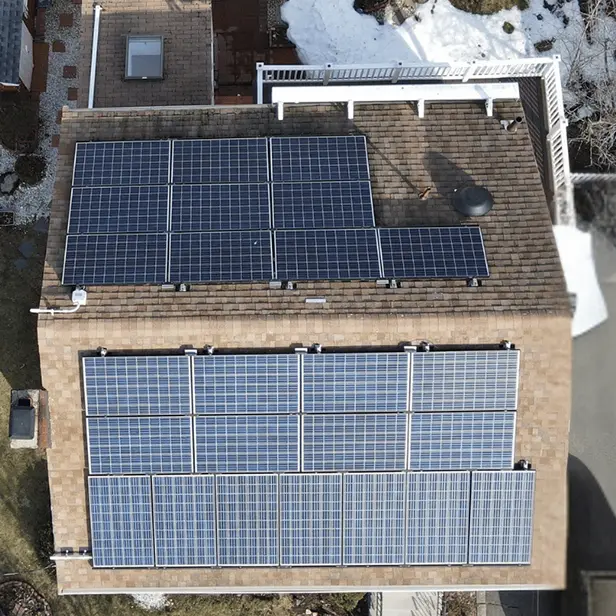
Add solar panels, and there are now two systems that have to come apart and go back together correctly. The panels, mounting rails, and roof attachment points (the flashed brackets that anchor the array to the decking) all have to be removed before tear-off can start, and reinstalled once the new roofing is down.
Every one of those old attachment points also becomes a spot the roofer has to properly flash and seal on the new roof, on top of the usual flashing at chimneys, vents, and skylights. Skipping or rushing that step is one of the more common ways solar-equipped roofs end up leaking later.
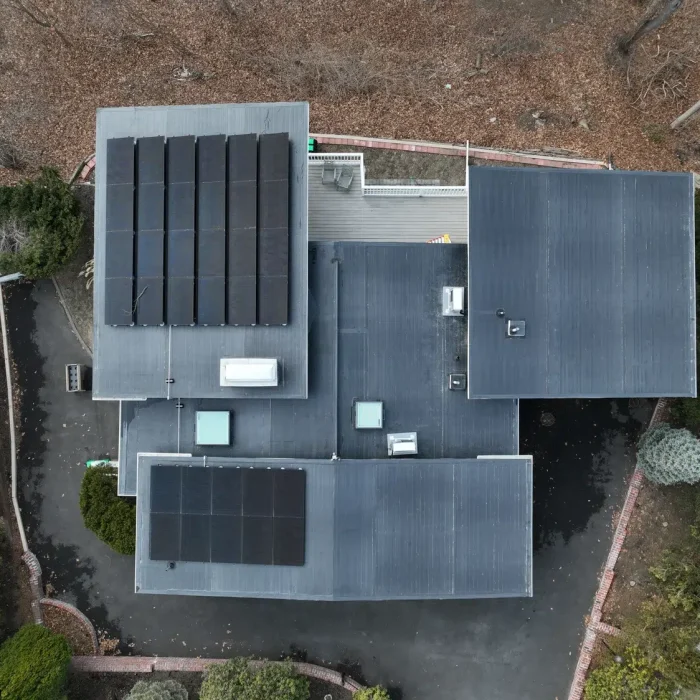
Solar panels can make it harder to spot the everyday warning signs of an aging roof, since a large section of shingles is covered and out of view. A few things still tend to surface:
Water stains on ceilings or ceiling framing in the attic, even if you can't see visible shingle damage from the ground
Granule loss showing up in gutters below the uncovered sections of roof
A roof that's already past 20 years old at the time the panels were installed, since the panels' own 25 to 30 year lifespan can easily outlast the original roof
Soft spots or sagging noticed during a walk-through of the attic
A full roof inspection is the most reliable way to check the condition of a roof with panels installed, since a documented Roof Health Report can flag decking or flashing issues around the array before they turn into a leak.
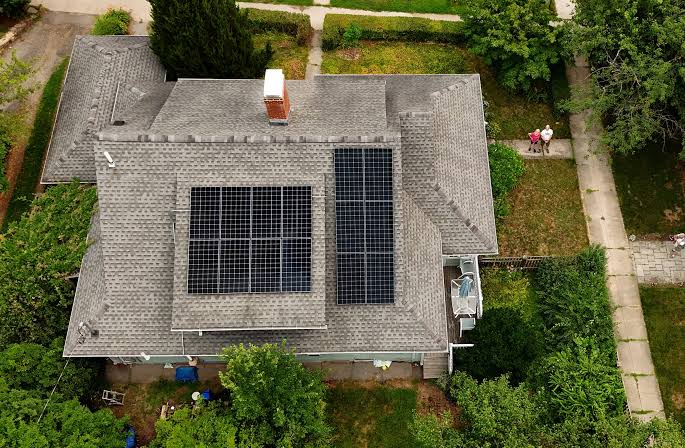
On a typical solar roof replacement, the process runs in three stages:
Panel removal. The array, rails, and mounting hardware are disconnected and removed before tear-off begins. Panels are set aside and protected on-site for reinstallation.
Roof replacement. The old roofing comes off, the decking is inspected and repaired where needed, and the new roofing system, typically asphalt shingles or metal roofing, goes on with new flashing at every old attachment point.
Panel reinstallation. The array goes back up on the new roof, reconnected and tested to confirm the system is producing power the way it did before the project started.
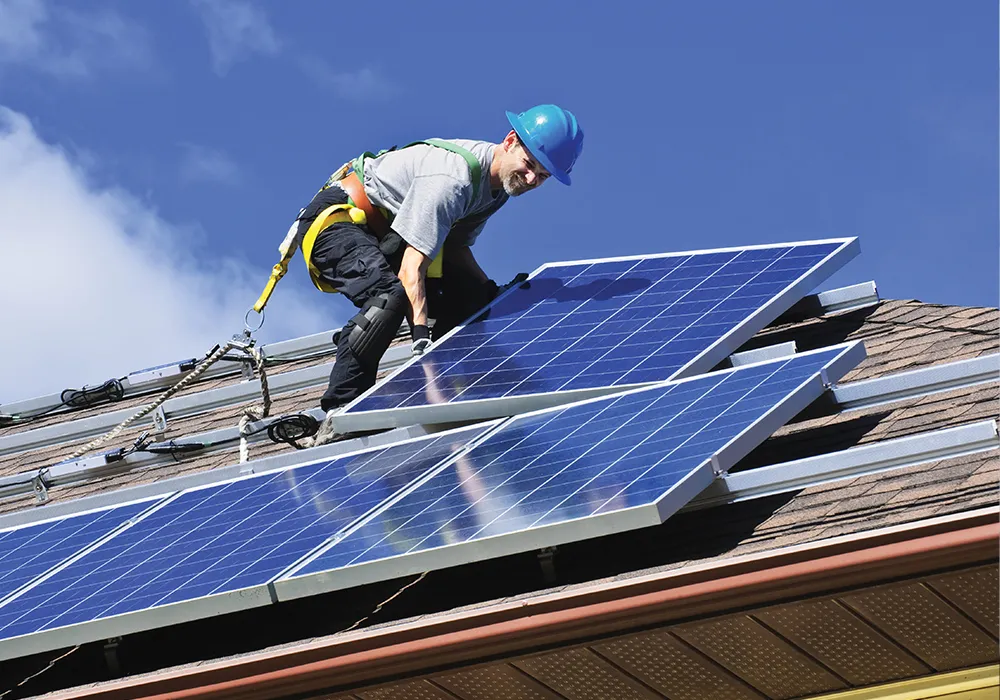
Homeowners sometimes assume the solar installer has to be the one to manage the whole project, but that's not usually the most efficient setup.
Most solar companies aren't licensed roofers and will subcontract the roofing portion anyway, which adds a layer of coordination and cost. A roofing company that's done solar removal and reinstallation before can typically manage panel disconnection, coordinate any required electrical work with a licensed electrician, and handle the roofing scope directly, keeping the whole project under one point of contact.
The key question to ask any contractor is simple: how many roofs with existing solar arrays have they actually worked on. Reinstalling panels on a new roof isn't the same skill set as installing them the first time.
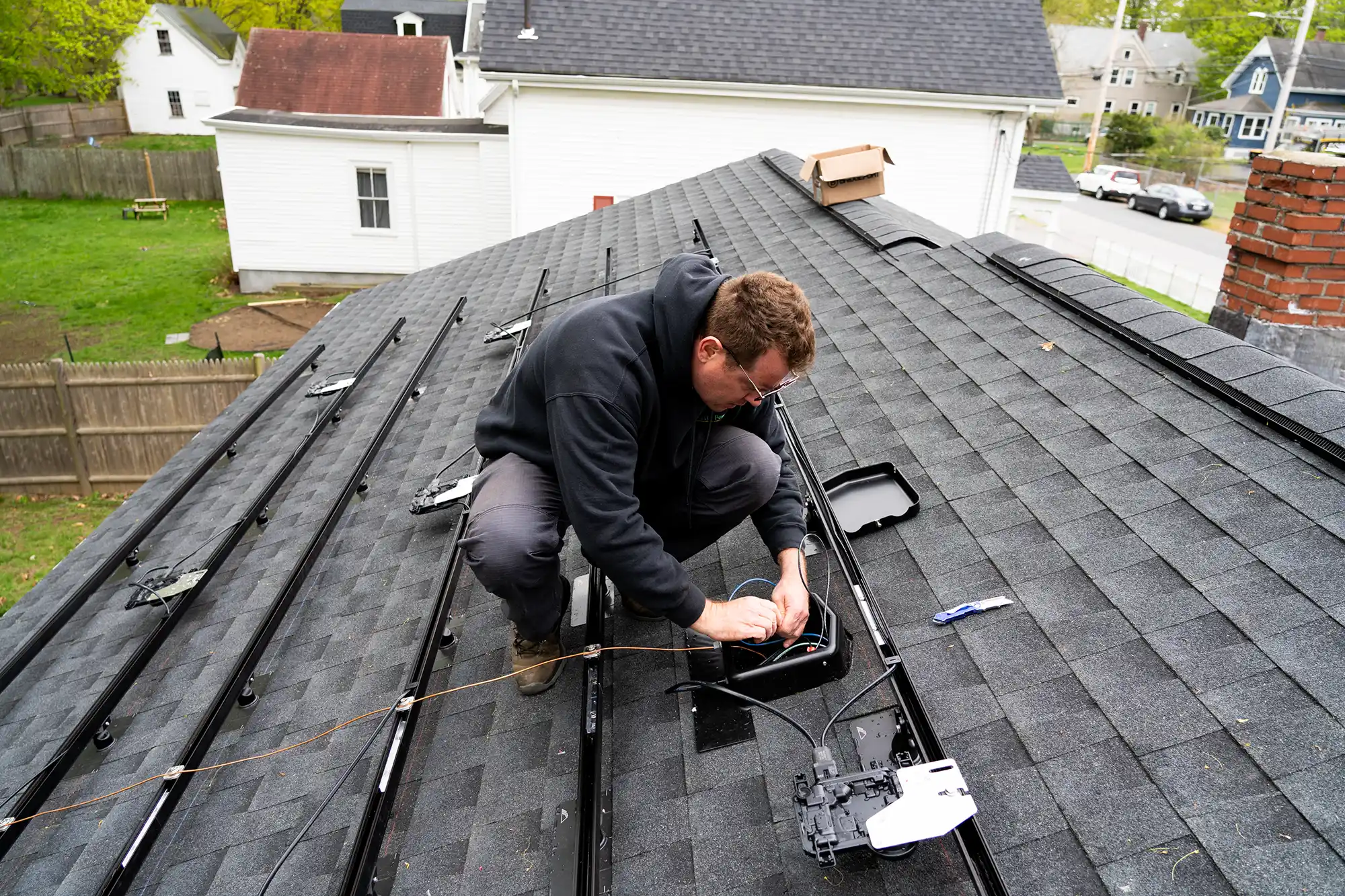
Beyond the standard cost drivers covered in our Massachusetts roof replacement cost guide, solar adds a few line items specific to the array:
Panel disconnection and removal labor
Temporary storage and protection of panels on-site during tear-off
Reinstallation labor, including remounting hardware and re-flashing every attachment point
Electrical reconnection and system testing, sometimes requiring a licensed electrician depending on the scope
Any decking repair discovered once panels are off and the roof underneath is fully visible for the first time in years
Because the roof under an existing array often hasn't been looked at closely in a long time, it's common for decking repair to be part of the final number. That's one more reason a proper inspection before the project starts matters more here than on a standard reroof.
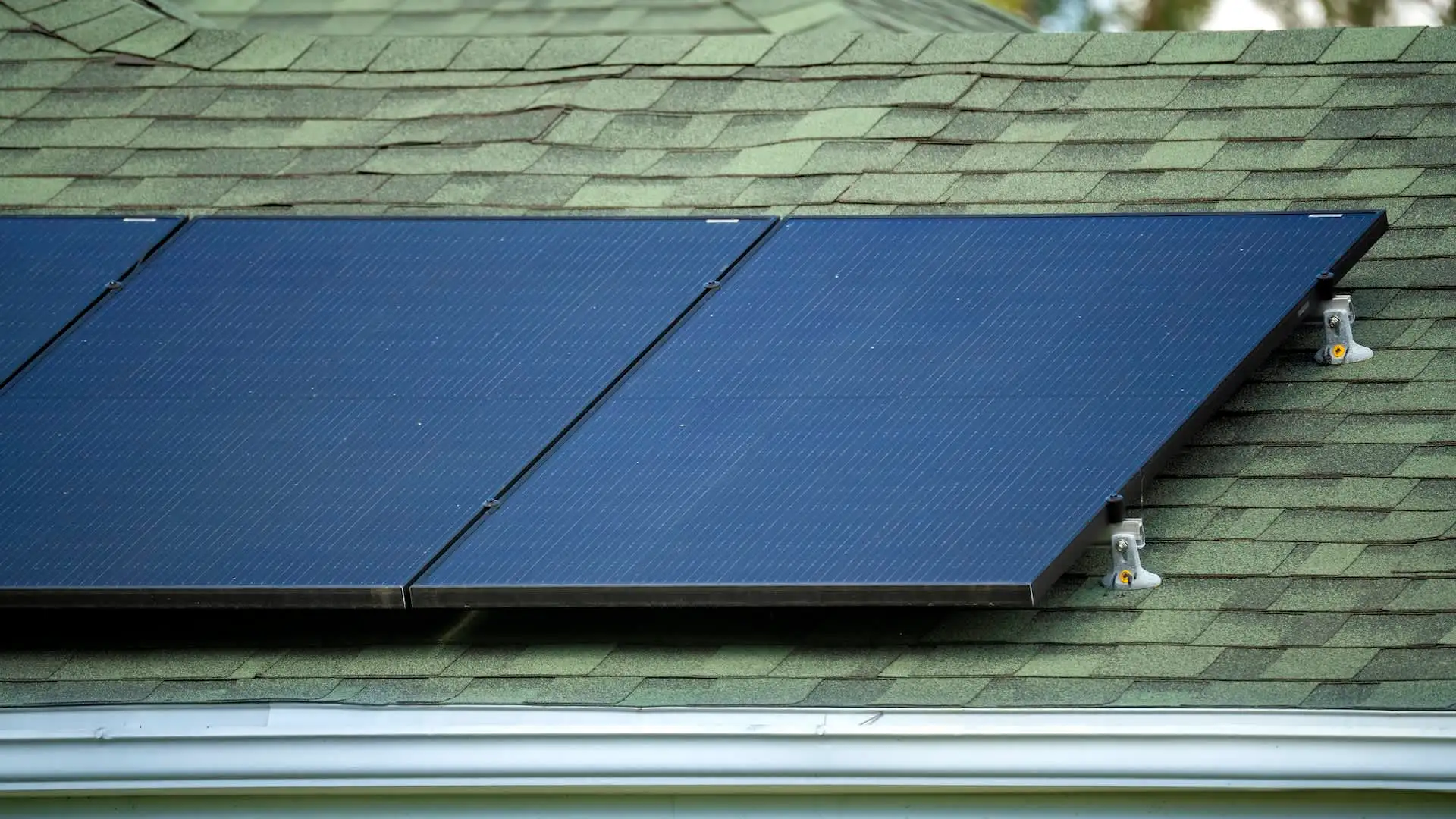
Solar panels and roofing each come with their own manufacturer and workmanship warranties, and mishandling either system during a replacement can put both at risk.
Roofing manufacturers can deny a warranty claim if the roof was worked on by an unlicensed or inexperienced crew, or if attachment points weren't properly re-flashed. Solar equipment manufacturers can do the same if the panels weren't disconnected, stored, and reinstalled according to their specifications.
Using a contractor experienced with solar-equipped roofs, and keeping documentation of how the panels were removed and reinstalled, protects both warranties rather than leaving that responsibility split between two companies pointing at each other if something goes wrong later.
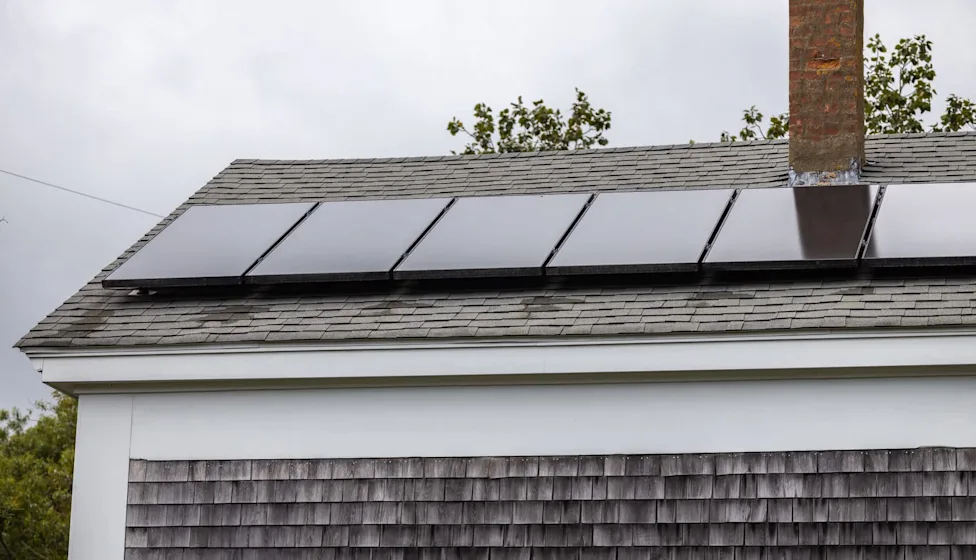
We recently completed a roof replacement with solar panels and decking replacement for a homeowner in our service area. The solar array was carefully removed and staged on-site, decking issues that had been hidden under the panels for years were identified and repaired, and the new roofing system was installed with proper flashing at every reinstalled attachment point before the panels went back up and were tested.
That project is a good example of why an inspection before removal matters. Decking damage under an existing array is often invisible until the panels actually come off.
If a roof is already showing its age and solar is still a few years out, replacing the roof first, before panels go up, is almost always the simpler and less expensive path. It avoids removal and reinstallation labor entirely.
If panels are already installed and the roof underneath is nearing the end of its life, waiting too long carries its own risk. A leak developing under an array is harder to spot and can cause more hidden damage before it's noticed, since the panels block a direct view of the shingles below.
In Massachusetts winters, this matters even more. Snow load and ice damming can add stress to a roof that's already past its prime, and our guide on snow and ice dam removal covers how to manage that risk in the meantime if a full replacement isn't scheduled yet.
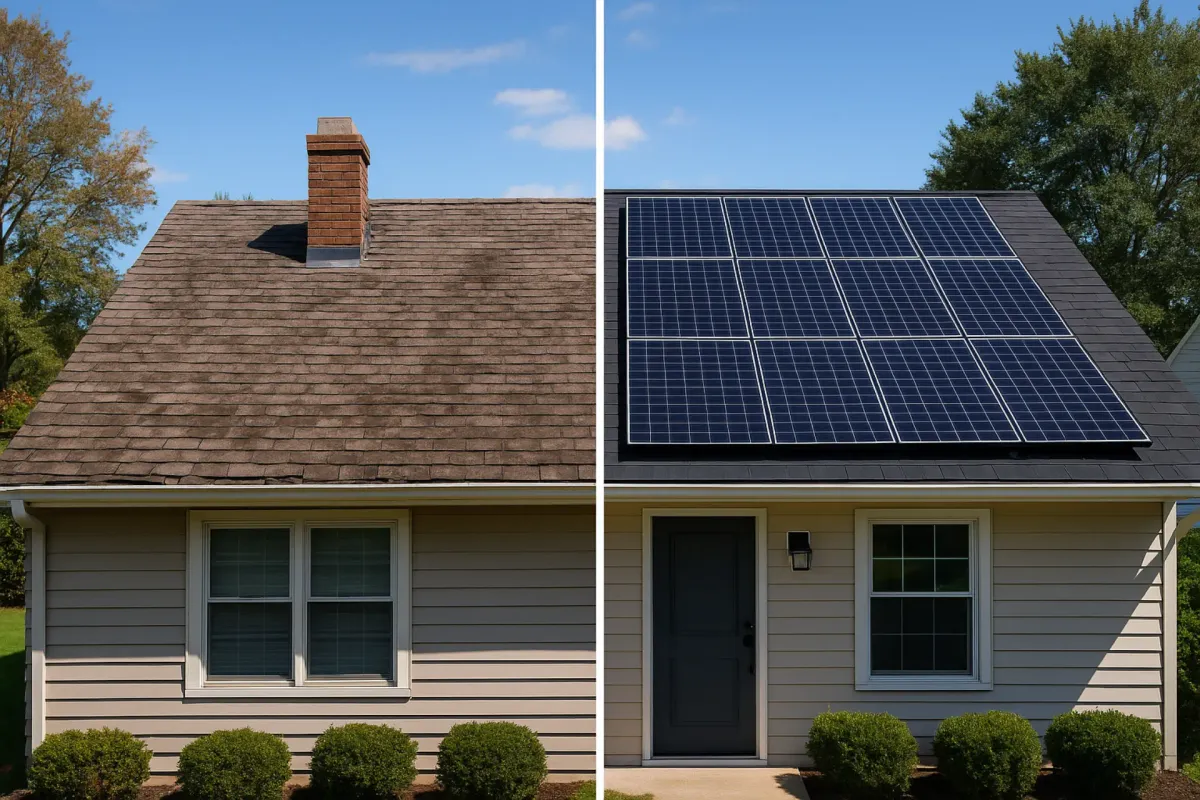
Between the roofing scope and the added labor for panel removal and reinstallation, a solar roof replacement is a larger investment than a standard reroof.
Peak Quality Roofing offers financing options that let homeowners spread that cost over time, which is worth reviewing before deciding on scope or timeline based on upfront price alone.
A quote for a solar roof replacement needs to account for two systems, not one, and that starts with an inspection that looks at the roof condition, the array's mounting points, and what's involved in disconnecting and safely reinstalling the panels.
That's what our process is built around: a documented, photo-based Roof Health Report that accounts for the full scope, panels included, before you commit to a number.
You don't have to coordinate two separate contractors or guess at how the panels factor into the price. Peak Quality Roofing will inspect your roof and your array's attachment points in person, document everything with photos, and walk you through exactly what the project involves, panel removal, decking, roofing, and reinstallation, in plain terms.
We'll explain your options with no sales pressure and no pushing you toward a bigger project than you actually need.
Schedule your free Roof Health Report today and get real answers for your home.
Call Peak Quality Roofing: 781-650-7458
Service areas: Melrose, Medford, Malden, Stoneham, Wakefield, Everett, Winchester, and nearby North Boston communities.
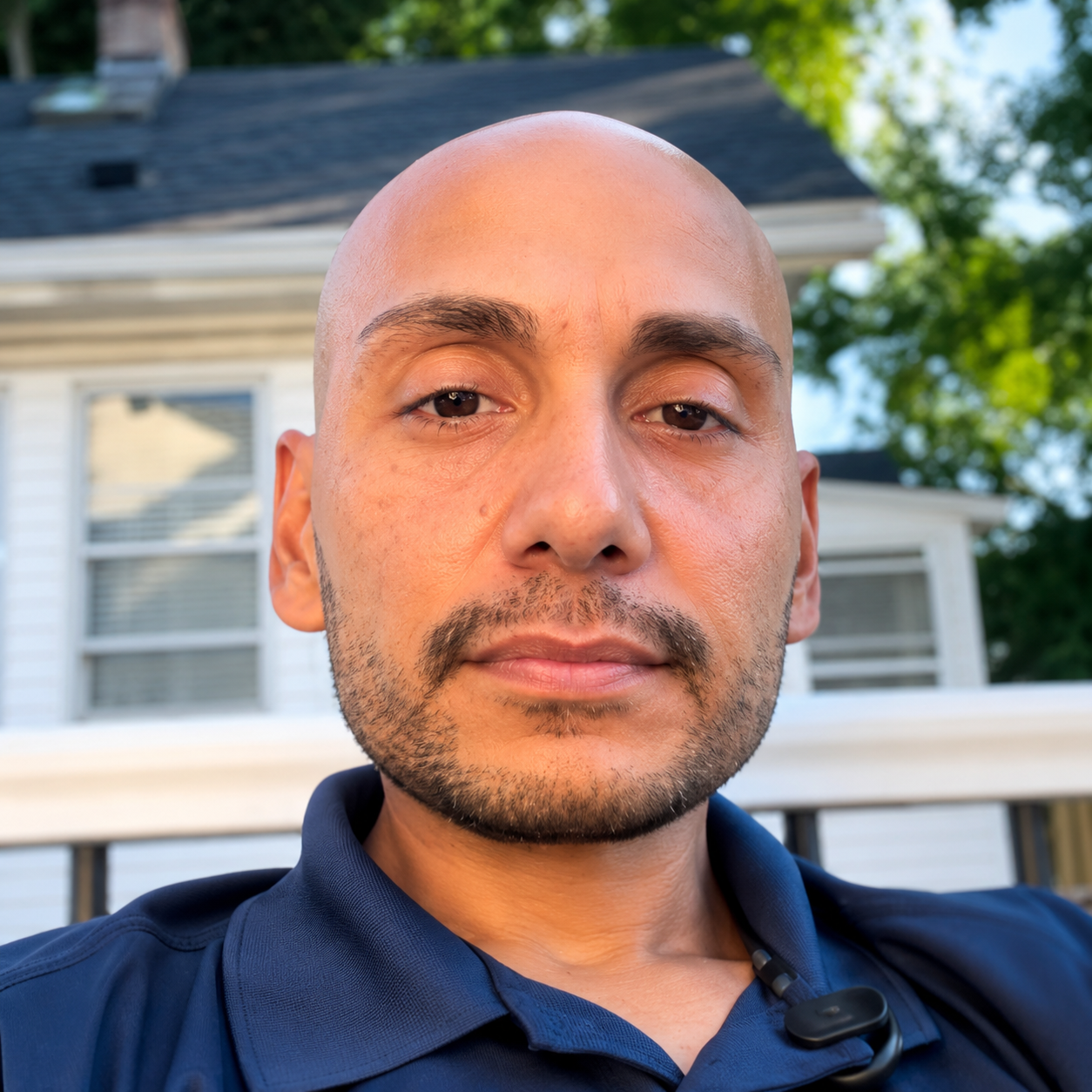
Written By: Jim Rincon
Jim Rincon is the owner of Peak Quality Roofing, a locally owned roofing company based in Melrose, Massachusetts. Jim and the PQR team help homeowners with roof leak inspections, chimney flashing issues, roof repairs, roof replacement, gutters, siding, skylights, and related exterior work across Melrose and nearby North Boston communities.
7 min Read
Siding
Compare common siding options for Massachusetts homes, including durability, maintenance, and long-term value.
 6 min Read
Siding
Learn how siding replacement can affect curb appeal, protection, energy performance, and resale value.
 5 min Read
Roof Leaks
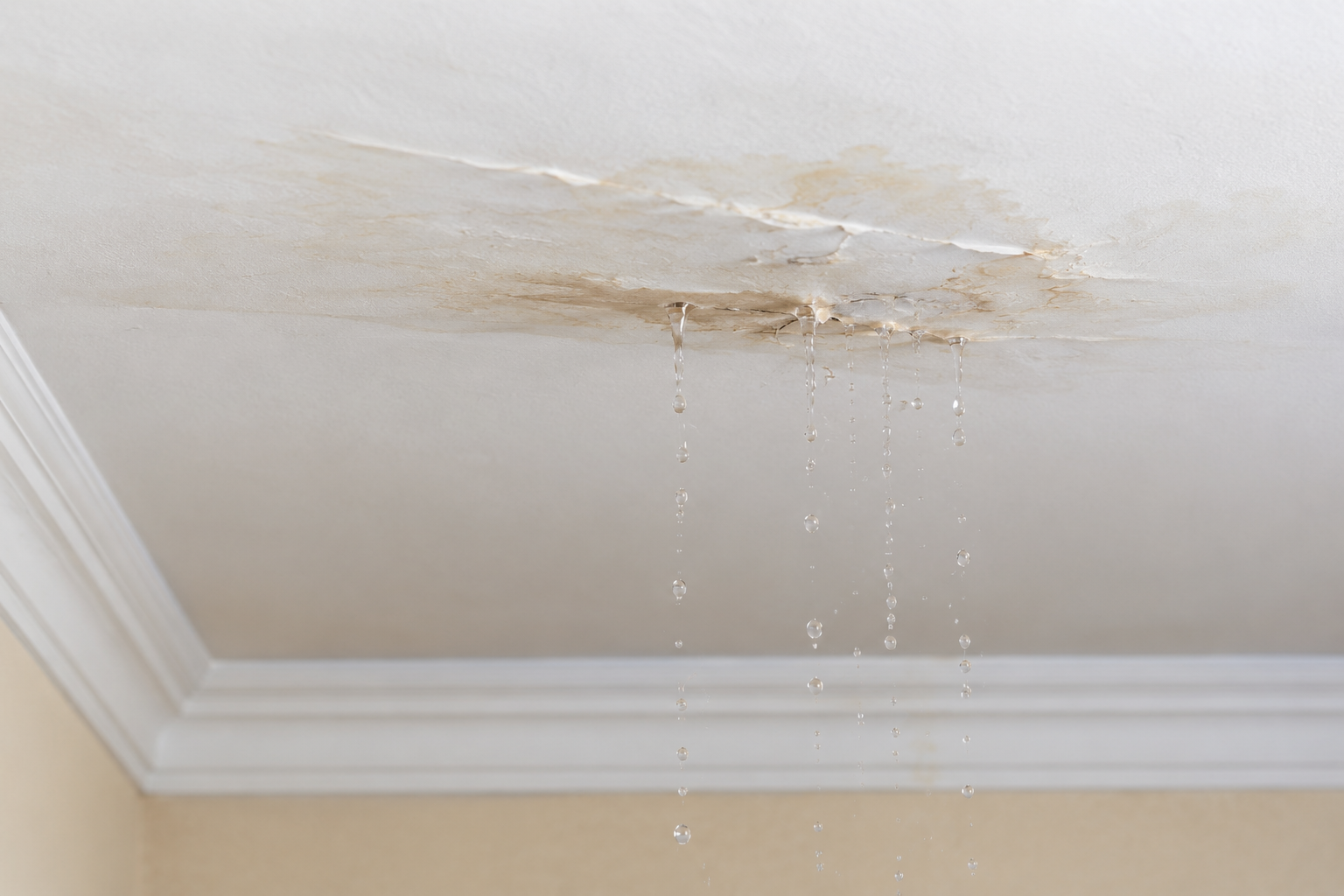
Seeing active water coming in? Here are the first steps to take before the damage gets worse.
Fill out the form below and Peak Quality Roofing will follow up with you.
We provide honest roof inspections and clear reports so you can make confident decisions about your home.




OUR SERVICES
Gutter
Skylight
Snow & Ice Removal
SERVICE LOCATIONS
OFFICE LOCATION
58 Mount Vernon Ave, Melrose, MA 02176


CUSTOMER CARE
OFFICE LOCATION
58 Mount Vernon Ave, Melrose, MA 02176

FOLLOW US ON
Copyright 2025. All rights reserved.
Website by Pure Value Advisors