 7 min Read
Siding
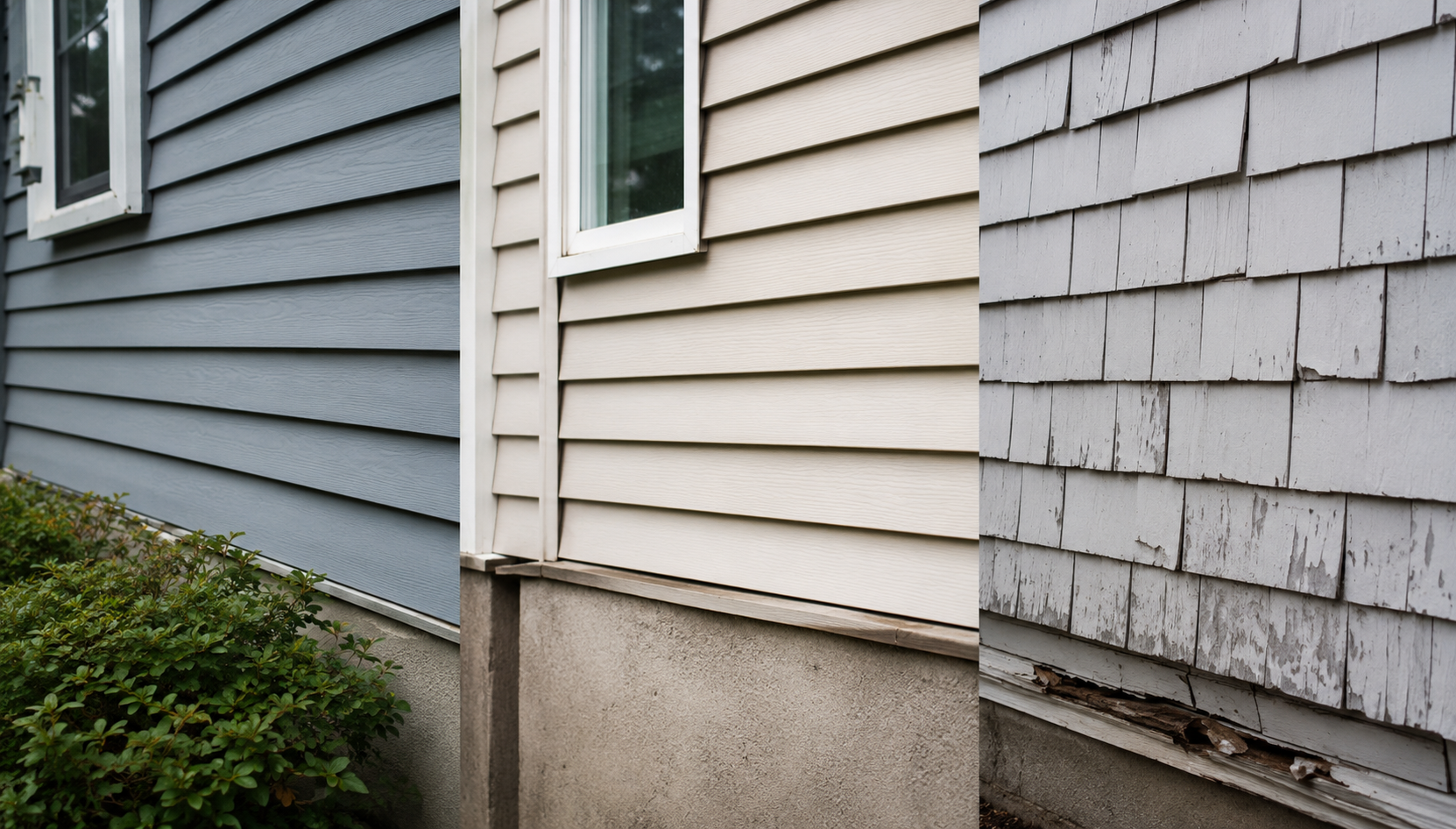
Fiber Cement vs. Vinyl vs. Clapboard Siding
Compare common siding options for Massachusetts homes, including durability, maintenance, and long-term value.

Articles
6min Read
A full roof replacement is one of the larger expenses a homeowner takes on, and most people don't have $15,000 to $30,000 sitting in a checking account waiting for it.
That's where financing comes in. Spreading the cost over time can turn an urgent, budget-breaking repair into a manageable monthly payment, and it can also mean the difference between patching a failing roof and actually replacing it properly.
This guide walks through how roof financing works, the main options available to Massachusetts homeowners, and how to think through whether financing makes sense for your project.
Roofs don't fail on a convenient schedule. A roof nearing the end of its life, or one that starts leaking after a storm, often needs attention faster than most household budgets can absorb in cash.
Financing lets you address the problem on the roof's timeline instead of your savings account's timeline. That matters because delaying a needed replacement usually costs more in the long run through interior water damage, mold remediation, or emergency repair fees.
It's also worth remembering that a roof replacement isn't just an expense, it protects everything underneath it, and it's one of the few home improvements that shows up directly in resale value and insurability.

Most roof financing follows a similar shape regardless of which option you choose: you get approved for a set amount, the roofing contractor completes the work, and you repay the balance over a fixed term with monthly payments.
Terms usually range from 12 months up to 10-plus years depending on the lender and loan type, and rates vary based on your credit profile, the loan structure, and whether the loan is secured against your home.
Some plans include an introductory 0% interest period, which can make sense if you're confident you can pay off the balance before that window closes. Others are structured as straightforward fixed-rate installment loans from the start.
A roof inspection and written estimate typically come before financing is finalized, since most lenders want a firm project scope and price before approving funds.
A quick example of what this looks like in practice: on a $15,000 roof replacement financed over 5 years at a 10% interest rate, the monthly payment would run approximately $319, with a total repayment of roughly $19,100 over the life of the loan, meaning about $4,100 in total interest.
This is an illustrative example only. Your actual rate, term, and monthly payment will depend on your credit profile, the lender you work with, and the final scope of your project, so treat this as a way to understand how the math works rather than a quote.

There isn't a single "roof loan", homeowners typically choose from a handful of financing paths, each with different trade-offs.
Contractor-arranged financing. Many roofing companies, including Peak Quality Roofing, partner with lending platforms to offer financing directly through the estimate process. This is often the fastest path since the loan amount is tied directly to your roof replacement quote.
Home equity loans or HELOCs. If you have significant equity, a home equity loan or line of credit often carries a lower interest rate than an unsecured personal loan, since it's backed by your property. The trade-off is a longer approval process and your home as collateral.
Personal loans. Unsecured personal loans don't require home equity and can close quickly, but they generally carry higher interest rates than home-secured options.
0% introductory credit cards. Workable for smaller projects like isolated roof repair or chimney repair work, but the interest rate typically jumps sharply once the promotional period ends, which makes this a riskier fit for a full replacement.
PACE and energy-efficiency programs. Some Massachusetts municipalities and utilities offer financing tied to energy-efficient roofing materials or improvements. Availability and terms vary by town, so this is worth a direct check with your local program if it's relevant to your project.

Lenders generally weigh a similar set of factors regardless of which financing path you choose:
Credit score and credit history
Debt-to-income ratio
Loan amount relative to the project scope
Whether the loan is secured (against home equity) or unsecured
Length of the repayment term
A firm, documented estimate helps here. Lenders and financing platforms respond better to a specific number backed by a real inspection than a rough ballpark, which is one more reason to start with an actual assessment of your roof rather than an online calculator.

Paying cash avoids interest entirely, which is the clear advantage if you have the funds available without draining your emergency savings.
Financing makes more sense when:
The roof needs attention now, but paying in full would strain your savings
A 0% or low-interest promotional period covers most or all of the repayment term
You'd rather preserve cash for other near-term expenses and treat the roof as a fixed monthly line item
Cash tends to make more sense when the interest cost would be significant relative to the loan amount, or when you're not in a rush and can plan the purchase around your savings timeline. Either way, our roof repair vs. replacement checklist is a useful starting point if you're still deciding whether you need a full replacement or a targeted repair, since that decision changes the amount you're financing in the first place

The amount you finance is directly tied to your roof's size, material, and condition. Our Massachusetts roof replacement cost guide breaks down how material choice, roof pitch, and Massachusetts-specific factors like ice and water shield requirements affect the total price and that total is what most lenders base their approval amount on.
This is also why decking condition matters for financing conversations, not just for the roofing work itself. If tear-off reveals soft or damaged decking, that add-on cost needs to be built into the loan amount up front rather than discovered mid-project. A documented Roof Health Report helps avoid that kind of surprise by identifying decking issues before financing is finalized.

If your roof damage is storm-related, it's worth checking whether homeowners insurance covers part or all of the replacement before finalizing a financing plan. In many cases, insurance covers the bulk of a claim-related replacement, and financing only needs to cover your deductible or any upgrades not included in the claim.
If you're not yet sure whether your situation is claim-related storm damage or gradual wear that falls outside a policy's coverage, an inspection is the fastest way to find out. This is also where documentation matters, a photo-based Roof Health Report can support an insurance claim in addition to informing a financing decision.

Peak Quality Roofing offers financing options built specifically for roof replacement, repair, and related exterior projects, so you can move forward with the work your home needs without paying the full cost upfront.
We walk homeowners through financing as part of the estimate process itself, once your Roof Health Report documents the actual scope of work, so the amount you're approved for matches the real project, not a guess.

The financing conversation works best after, not before a proper roof inspection. Once we know your roof's exact condition, material needs, and scope, we can walk you through financing options that fit the real number, not an estimate pulled from an online calculator.
That process starts with our Roof Health Report, a documented, photo-based inspection that gives you (and any lender) a clear picture of what the project involves. From there, our process walks you through the estimate, financing options, and installation timeline.
You don't have to figure out how to pay for a new roof on your own. Peak Quality Roofing will inspect your roof, document what we find with photos, and walk you through financing options that fit your project and your budget with no sales pressure and no pushing you toward more than you need.
Schedule your free Roof Health Report today and talk through your financing options.
Call Peak Quality Roofing: 781-650-7458
Service areas: Melrose, Medford, Malden, Stoneham, Wakefield, Everett, Winchester, and nearby North Boston communities.
Written By: Jim Rincon
Jim Rincon is the owner of Peak Quality Roofing, a locally owned roofing company based in Melrose, Massachusetts. Jim and the PQR team help homeowners with roof leak inspections, chimney flashing issues, roof repairs, roof replacement, gutters, siding, skylights, and related exterior work across Melrose and nearby North Boston communities.
7 min Read
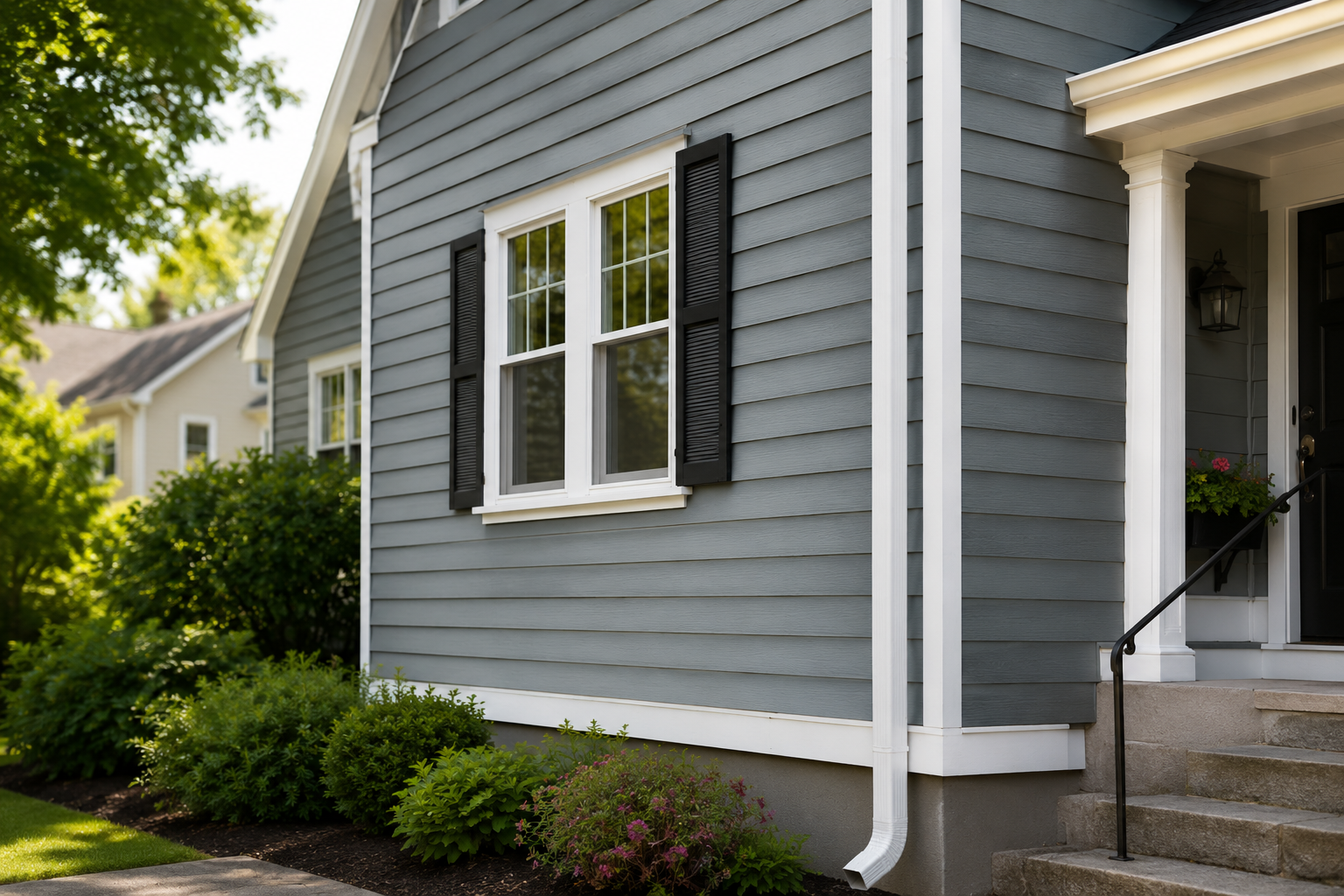
Siding
Compare common siding options for Massachusetts homes, including durability, maintenance, and long-term value.
 6 min Read
Siding
Learn how siding replacement can affect curb appeal, protection, energy performance, and resale value.
 5 min Read
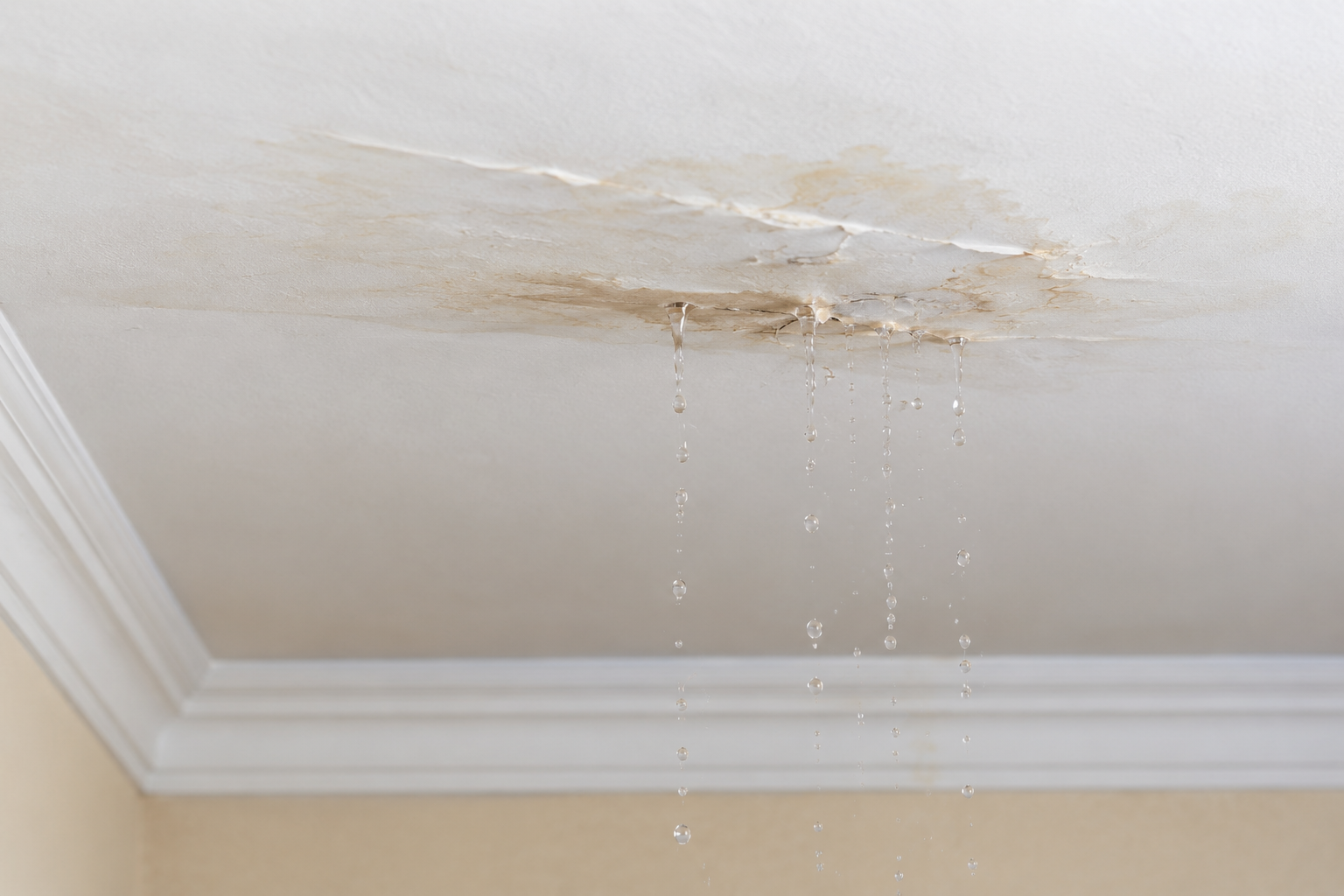
Roof Leaks
Seeing active water coming in? Here are the first steps to take before the damage gets worse.
Fill out the form below and Peak Quality Roofing will follow up with you.
We provide honest roof inspections and clear reports so you can make confident decisions about your home.




OUR SERVICES
Gutter
Skylight
Snow & Ice Removal
SERVICE LOCATIONS
OFFICE LOCATION
58 Mount Vernon Ave, Melrose, MA 02176


CUSTOMER CARE
OFFICE LOCATION
58 Mount Vernon Ave, Melrose, MA 02176

FOLLOW US ON
Copyright 2025. All rights reserved.
Website by Pure Value Advisors