Chimney Flashing & Roof Leak Prevention Inspection in Wakefield, MA
This Wakefield homeowner requested a roof inspection to better understand the condition of the roof and identify areas that could lead to future problems.

Sometimes the Biggest Roofing Problems Aren’t the Roof.
Many homeowners assume roof leaks happen because shingles are worn out.
In reality, water often enters through the details around chimneys, walls, vents, and other roof penetrations before the shingles themselves fail.
That is why our inspections look at the entire roofing system not just the roof surface.
For this Wakefield home, the main roof was not the biggest concern. The more urgent issues were the flashing, chimney, and ventilation details designed to keep water out.
What We Found
During the Inspection.
The roof was not showing widespread shingle failure, but several vulnerable areas needed attention before they could lead to future leaks.
Key findings included:
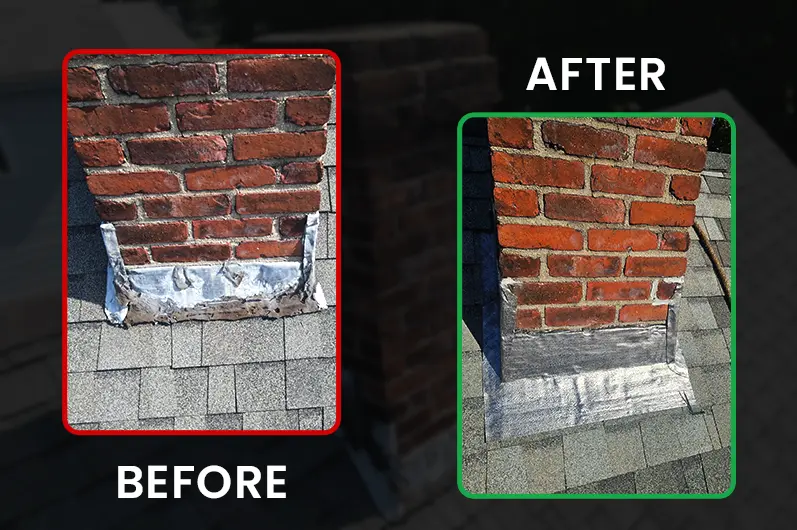
Failing chimney flashing that had been patched with roofing cement
Cracked chimney crown and deteriorating mortar
Roof-to-wall flashing sealed with failing caulking instead of proper integrated flashing
Exposed fasteners around vent pipe flashing
No ridge vent, limiting attic ventilation
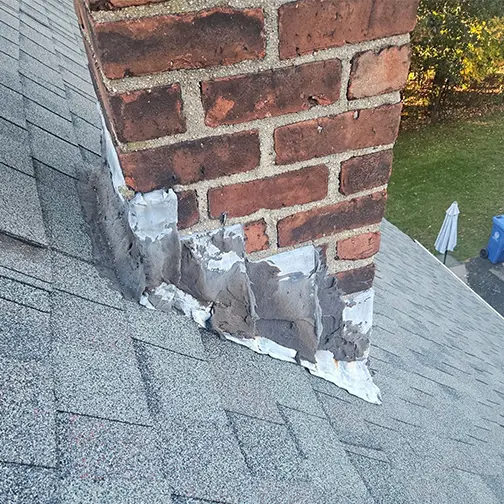
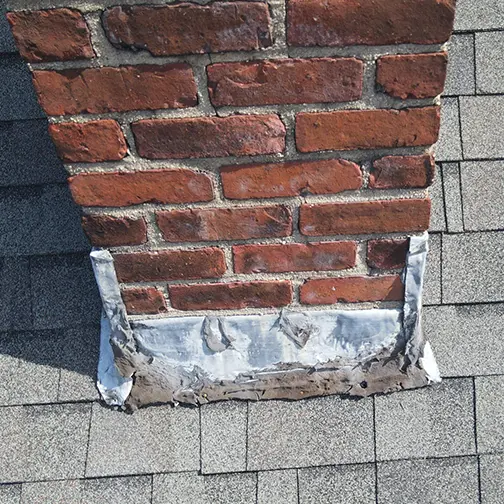
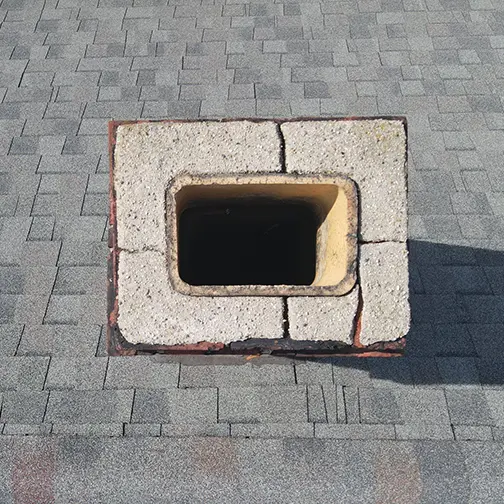
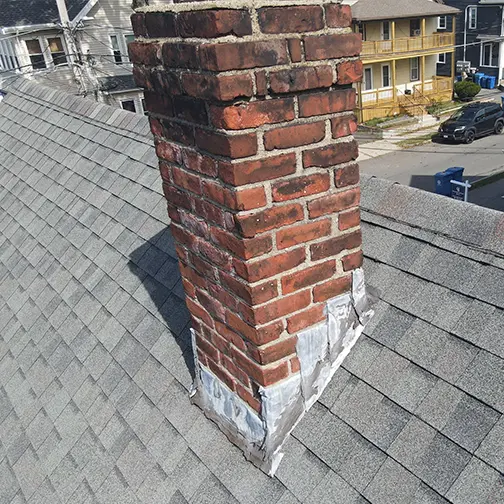
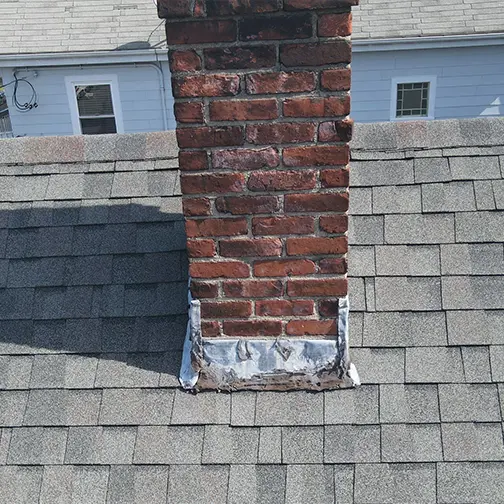
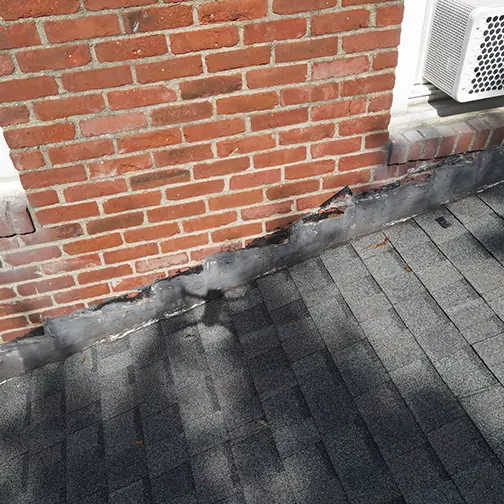
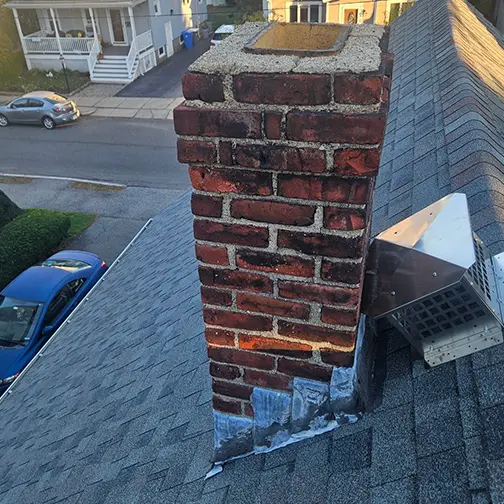
The main concern was not the entire roof system. It was the flashing, chimney, and ventilation details that could allow water intrusion over time.
Why These Findings Matter.
Small roofing issues can become expensive when they are ignored.
Failing flashing, cracked masonry, exposed fasteners, and poor ventilation may not always look urgent from the ground, but they can create openings for water, moisture buildup, and premature roof wear.
By identifying these issues early, the homeowner can prioritize repairs before they turn into active leaks or larger damage.
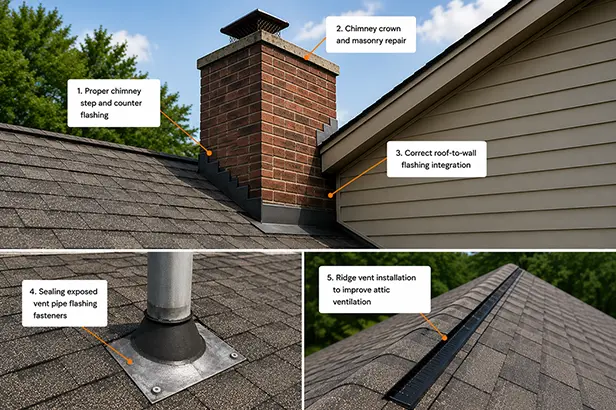
Recommended Solutions
Based on the inspection findings, we recommended:
Proper chimney step and counter flashing
Chimney crown and masonry repair
Correct roof-to-wall flashing integration
Sealing exposed vent pipe flashing fasteners
Ridge vent installation to improve attic ventilation
Proper chimney step and counter flashing
Chimney crown and masonry repair
Correct roof-to-wall flashing integration
Sealing exposed vent pipe flashing fasteners
Ridge vent installation to improve attic ventilation
These improvements would help reduce future leak risks and strengthen the roofing system without recommending unnecessary roof replacement.
The Result: Clear Priorities Before Bigger Problems Develop.
The homeowner now has a clear understanding of the roof’s condition and the specific areas that need attention.
The inspection showed that the shingles were still performing well, but it also revealed several details that should be corrected to better protect the home.
Instead of guessing, the homeowner received documented findings, photos, and a practical repair plan focused on preventing future water intrusion.


Need a Roof Inspection in Wakefield, MA?
If you are seeing signs of roof wear, chimney issues, cracked sealant, or possible leak risks, a professional inspection can help you understand what is actually happening.
At Peak Quality Roofing, we inspect the full roofing system, document our findings with photos, and explain your options clearly.
Whether your roof needs repair, replacement, or targeted maintenance, we help you make the right decision without pressure.

Frequently Asked Questions
Did this home need a full roof replacement?
No. The shingles were still performing well overall. The main concerns were related to chimney flashing, roof-to-wall flashing, chimney masonry, exposed fasteners, and ventilation.
Why is chimney flashing important?
Chimney flashing seals the area where the roof meets the chimney. When flashing is patched, cracked, or failing, water can enter around the chimney and cause hidden damage.
Is roofing cement a permanent repair?
No. Roofing cement is usually a temporary fix. Over time, it can crack, shrink, and separate, especially with New England weather and freeze-thaw cycles.
What is roof-to-wall flashing?
Roof-to-wall flashing protects the area where a roof meets a wall. If this area is sealed only with caulking instead of proper flashing, water can enter as the sealant cracks or peels.
Why does attic ventilation matter?
Proper attic ventilation helps reduce heat and moisture buildup. Without enough airflow, the roof system may age faster and the home may be more vulnerable to issues like mold or ice dams.
What should I do if I see cracked sealant around my chimney or wall flashing?
Schedule a roof inspection. Cracked sealant can be a sign that water may eventually enter the home, especially around chimneys, brick walls, and roof transitions.
Do you provide chimney flashing repairs in Wakefield, MA?
Yes. Peak Quality Roofing provides roof inspections, chimney flashing repairs, chimney repair, roof repair, and roof replacement services throughout Wakefield and nearby Greater Boston communities.

CUSTOMER CARE
OFFICE LOCATION
58 Mount Vernon Ave, Melrose, MA 02176

FOLLOW US ON




Copyright 2025. All rights reserved.
Website by Pure Value Advisors

We provide honest roof inspections and clear reports so you can make confident decisions about your home.
OUR SERVICES
Gutter
Skylight
Snow & Ice Removal
SERVICE LOCATIONS
OFFICE LOCATION
58 Mount Vernon Ave, Melrose, MA 02176