 7 min Read
Siding
Fiber Cement vs. Vinyl vs. Clapboard Siding
Compare common siding options for Massachusetts homes, including durability, maintenance, and long-term value.

Articles
6min Read
If you are seeing a ceiling stain, finding shingles in the yard, or noticing granules in your gutters, one of the first questions is usually simple:
Can this roof be repaired, or does the whole roof need to be replaced?
That is a fair question. The answer is not always obvious from the ground. A small leak may come from one failed pipe boot, a flashing issue, or a few damaged shingles. But that same leak can also be a warning sign that the roof system is getting near the end of its useful life.
You do not need to guess. The roof needs to be inspected properly.
At Peak Quality Roofing, we do not believe every roof problem automatically means replacement. If the roof has useful life left and the issue is isolated, a repair may be the most practical option. But we also do not believe in patching over a roof that is clearly failing just to delay the same problem for a little while longer.
Here is what Massachusetts homeowners should know before deciding between roof repair and roof replacement.
A roof is more than shingles.
The full roof system includes shingles, underlayment, flashing, pipe boots, vents, skylights, valleys, gutters, chimney details, decking, and ventilation. All of those parts need to work together to keep water out.
That is why a leak inside the house does not always mean the entire roof has failed.
A missing shingle may be a simple repair if the roof is otherwise healthy.
A chimney leak may be caused by poor flashing, not the shingles.
A ceiling stain may come from a vent, skylight, pipe boot, or another roof penetration.
Granules in the gutter may be a sign that the shingles are wearing down.
Multiple leaks in different areas may mean the roof system is starting to break down.
The question is not just, “Can this spot be patched?”
The better question is whether a repair will actually solve the problem in a reliable way.
That is why a proper roof inspection matters before making a recommendation.
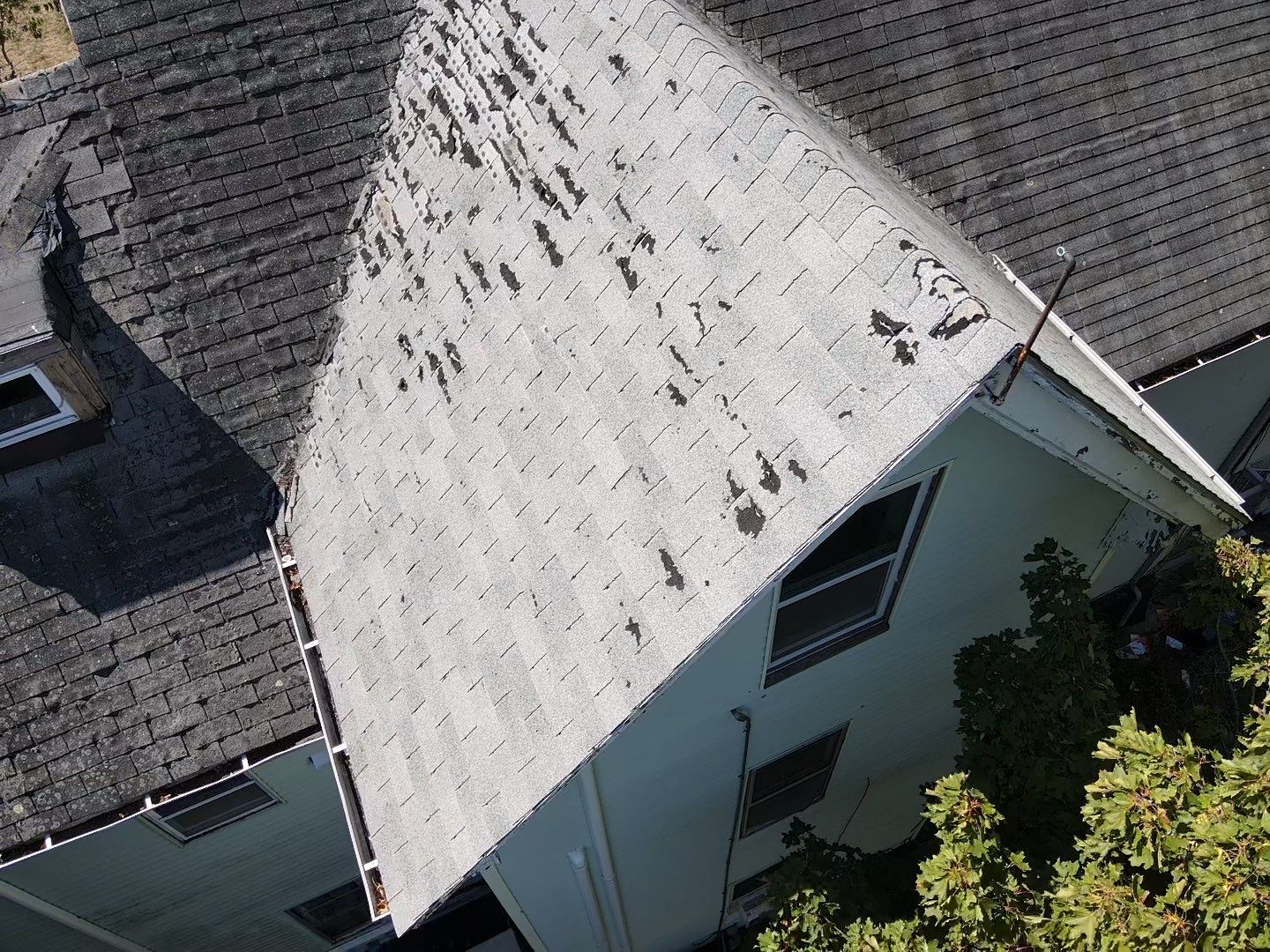
A roof repair can be the right choice when the roof is still in good overall condition and the problem is limited to one area.
Common repair situations include:
A few missing or wind-damaged shingles
A leaking pipe boot
A small flashing issue
A minor leak around a vent
Localized storm damage
A skylight flashing issue
A chimney flashing problem
A small section damaged by a branch or falling debris
If the roof has useful life left and the problem is isolated, a repair may be the most practical option.
This is especially true when the shingles around the repair area are still flexible, the leak source is clear, and there are no widespread signs of failure.
In that situation, replacing the entire roof may not be necessary.
A good roofing contractor should be able to explain what caused the problem, what the repair will address, and what limitations the homeowner should understand before the work begins.
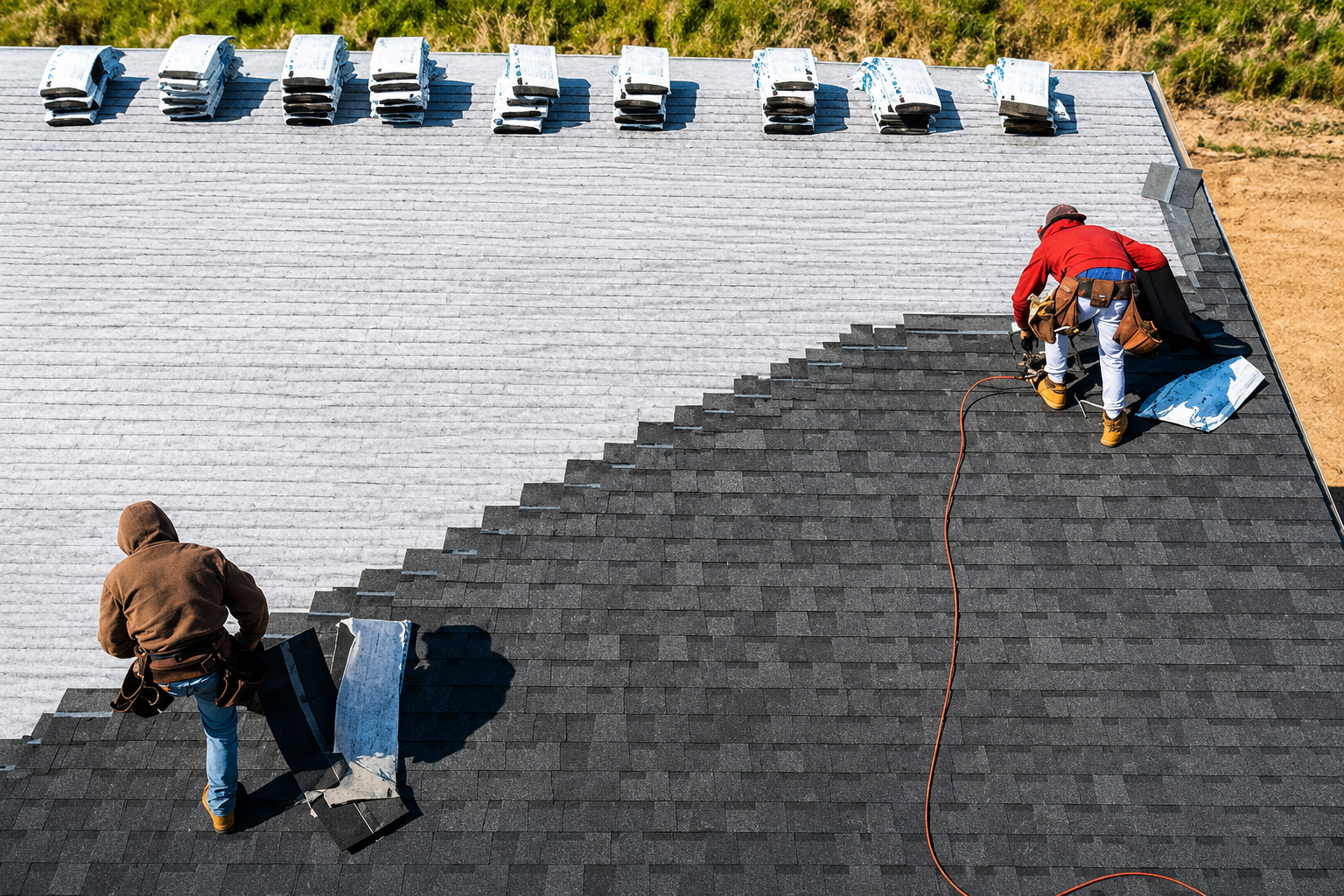
A roof replacement may make more sense when the roof has widespread wear or when repairs would only delay the same problem from coming back.
Signs that roof replacement may be the better option include:
Shingles that are curling, cracking, or brittle
Widespread granule loss
A roof that is near or past the end of its expected lifespan
Leaks showing up in multiple areas
Repeated repairs in the same general area
Poor ventilation or trapped moisture issues
Soft or damaged decking
A roof that was poorly installed
Flashing details failing in several areas
Old shingles that are difficult or impossible to match
Sometimes another repair is technically possible, but that does not always mean it is the best use of your money.
There is a difference between a repair that solves the problem and a patch that only buys time.
If the roof is already failing across large areas, repairing one spot may not address the bigger issue. In that case, replacement may be the better long-term recommendation.
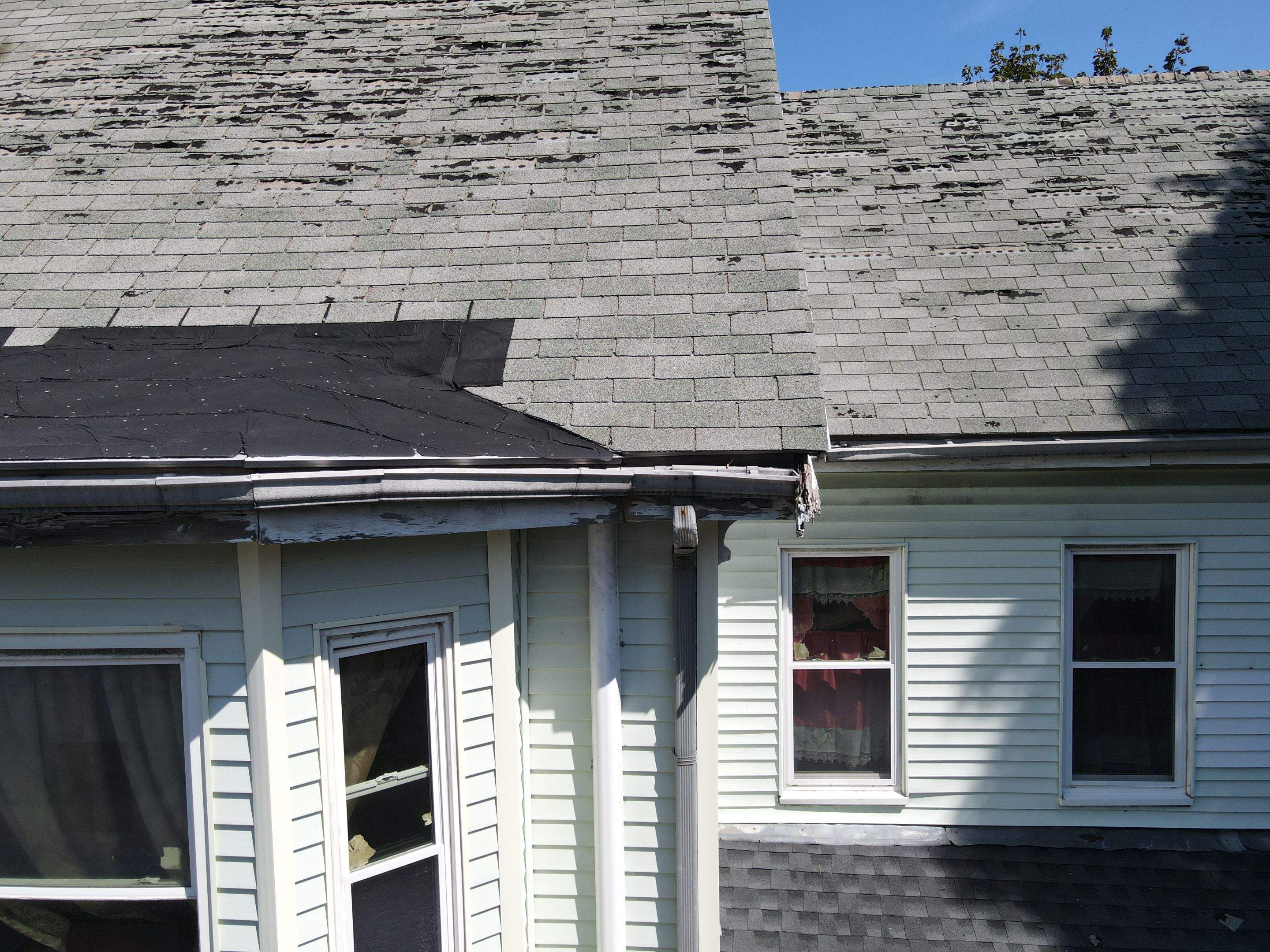
Roof age helps guide the conversation, but condition matters more than the number alone.
A 10-year-old roof with one failed pipe boot may only need a repair.
A 22-year-old roof with brittle shingles, granule loss, and multiple leak points may not be worth repairing again.
Massachusetts roofs deal with heavy rain, snow, wind, ice, sun exposure, and freeze-thaw cycles. These conditions can speed up wear, especially on older roofs or roofs that were not installed well.
That is why age should be considered alongside the actual condition of the roof.
During an inspection, the roof age is only one part of the decision. The shingles, flashing, decking, ventilation, previous repair areas, and active leak signs all matter too.
The goal is to understand whether the roof still has useful life left, or whether repairs are likely to become a repeated expense.
A leak that keeps coming back needs a better inspection, not just more caulk.
Recurring leaks are often a sign that the real source of the problem was not corrected. Water can travel before it shows up inside the home, which means the ceiling stain is not always directly below the roof issue.
Common reasons roof leaks come back include:
The wrong area was repaired
The leak source was higher up the roof than expected
Flashing was patched instead of rebuilt correctly
Roof cement or caulk was used as a temporary fix
The shingles around the repair area were already too worn
Water was traveling before showing up inside
The issue was related to ventilation or condensation, not just a roof leak
This is one of the reasons documentation matters.
A proper roof leak inspection should look at the full surrounding area, not just the stain inside the house. It should identify the likely water entry point, check nearby flashing and penetrations, and explain whether the roof area is healthy enough for a lasting repair.
If the same leak has been repaired more than once, it may be time to step back and look at the full roof condition instead of adding another layer of sealant.
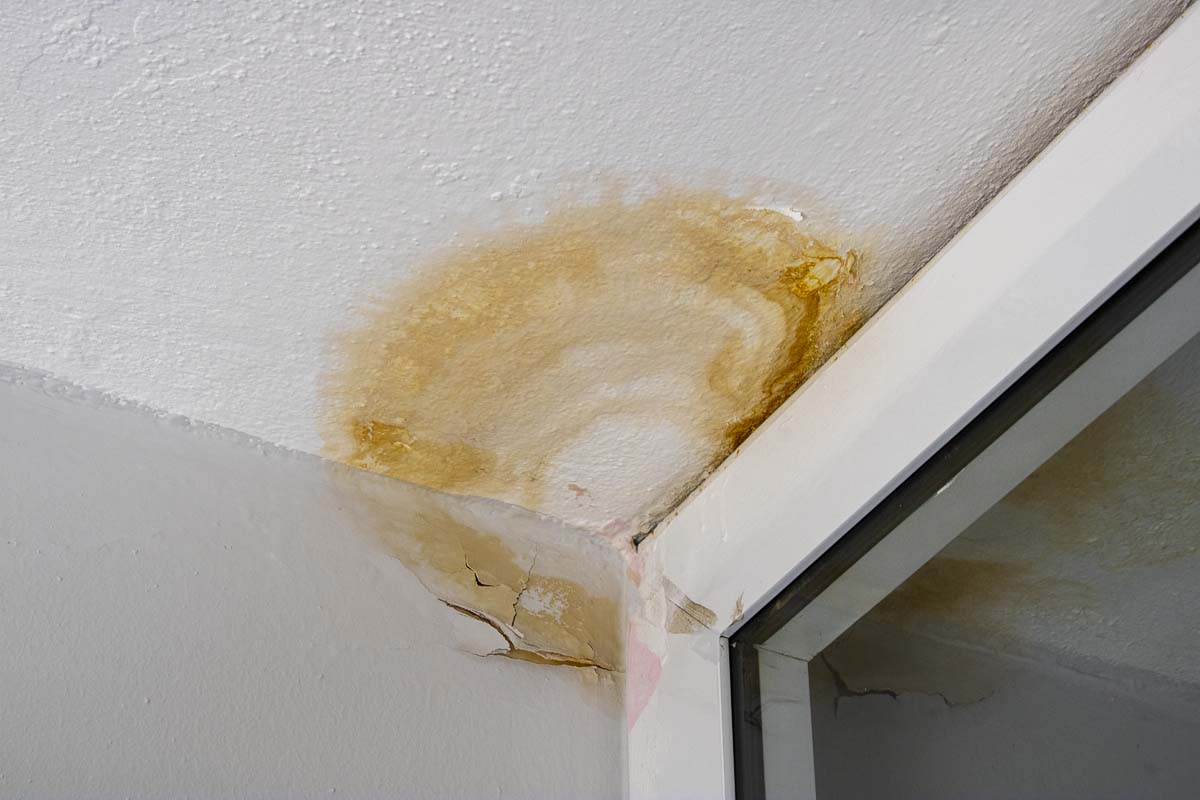
Many homeowners assume a roof repair will blend in perfectly.
Sometimes it can. Sometimes it cannot.
Older shingles fade from sun exposure. Manufacturers also change colors, styles, and product lines over time. Even when a close match is available, the repaired area may still look slightly different from the rest of the roof.
That does not mean the repair is wrong.
It just means the contractor should be honest about both function and appearance before the work is done.
A good repair should solve the roof problem first. But the visual result should also be explained clearly so there are no surprises.
This is especially important on older roofs, visible front roof slopes, or homes where curb appeal is a major concern.
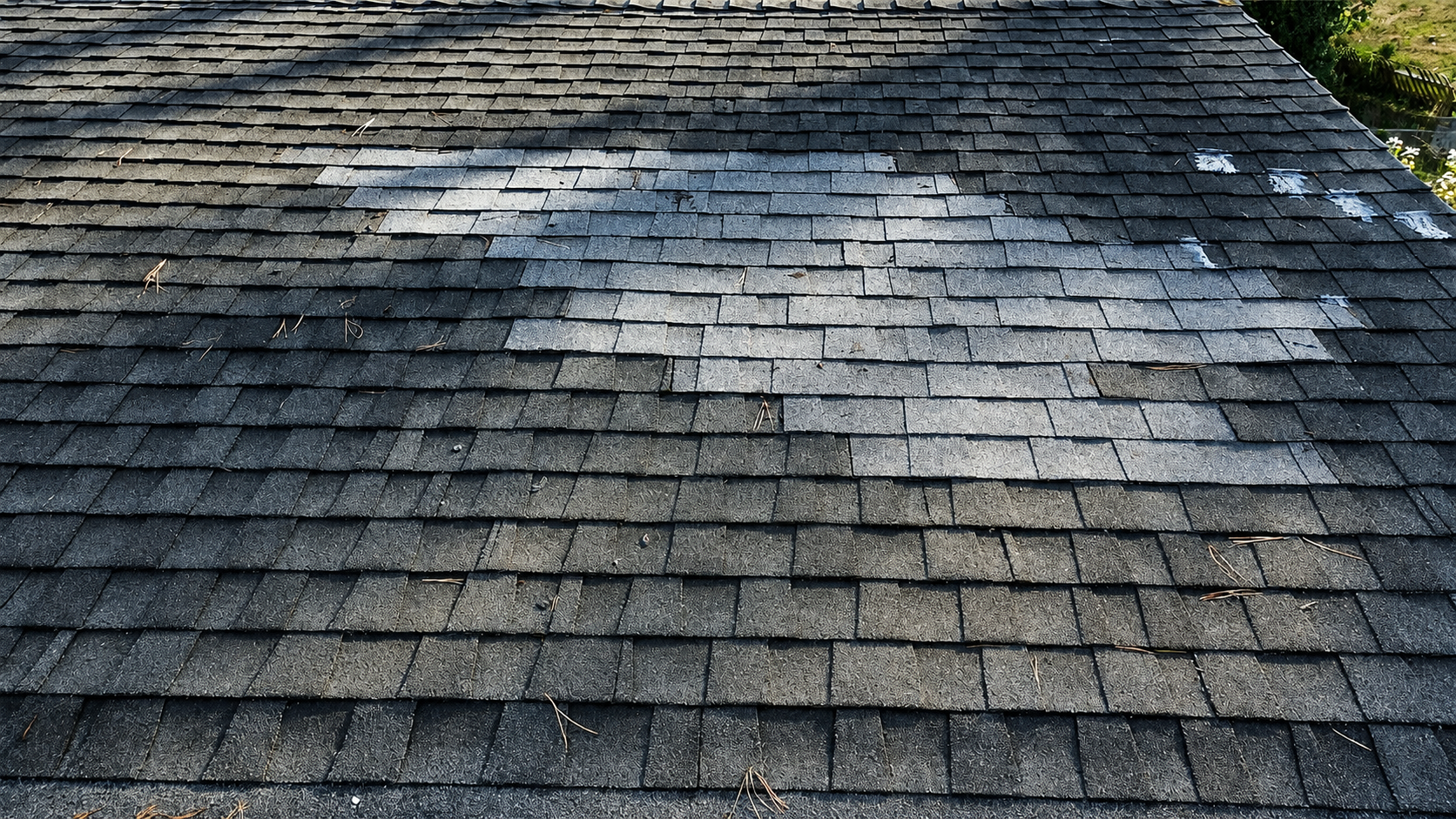
The recommendation should be based on what the roof is showing, not on what someone wants to sell.
A proper repair-or-replace inspection should look at:
Overall shingle condition
Missing, cracked, curled, or brittle shingles
Granule loss
Flashing around chimneys, walls, skylights, and valleys
Pipe boots and roof penetrations
Gutters and drainage patterns
Soft spots or decking concerns
Attic signs when accessible
Ventilation concerns
Interior leak locations
Previous repair areas
Age and installation quality of the roof
Homeowners should receive clear findings, not vague pressure.
Photos, notes, and plain-language explanations help you understand whether the issue is isolated or part of a larger roof problem.
At Peak Quality Roofing, the inspection process is a major part of how we help homeowners make clear decisions. The goal is to show what we find, explain what it means, and recommend the option that makes the most sense for the home.
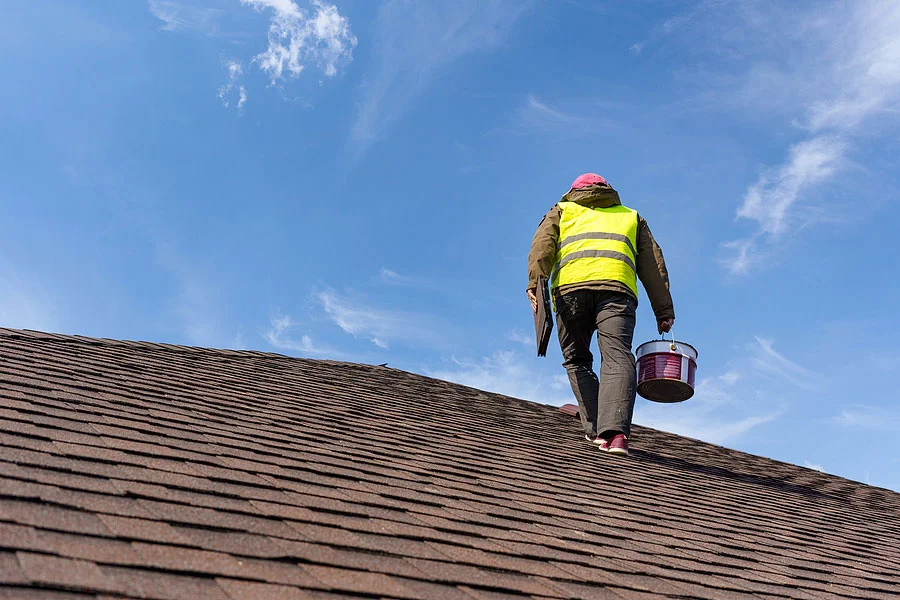
If you are not sure whether your roof needs a repair or a full replacement, start with an inspection.
A good inspection should explain:
What is causing the issue
Whether the problem is isolated or widespread
Whether a repair is realistic
Whether replacement should be considered
What the risks are if you wait
What photos or findings support the recommendation
The right choice should balance roof condition, cost, risk, and how long you plan to stay in the home.
If the roof is still in solid condition, a repair may be enough.
If the roof is worn out, leaking in multiple areas, or has repeated problems, replacement may be the smarter long-term move.
The goal is not to scare you into a new roof. The goal is to help you understand what is happening so you can make a clear decision.
If you are not sure whether your roof needs a repair or a full replacement, Peak Quality Roofing can inspect the roof, document the condition, and explain your options clearly.
We will show you what we find, help you understand whether the issue is isolated or part of a bigger problem, and recommend the option that makes the most sense for your home.
Schedule a roof inspection today and get clear answers before small roof issues become bigger problems.
Call Peak Quality Roofing: 781-650-7458
Service areas: Melrose, Medford, Malden, Stoneham, Wakefield, Everett, Winchester, and nearby North Boston communities.
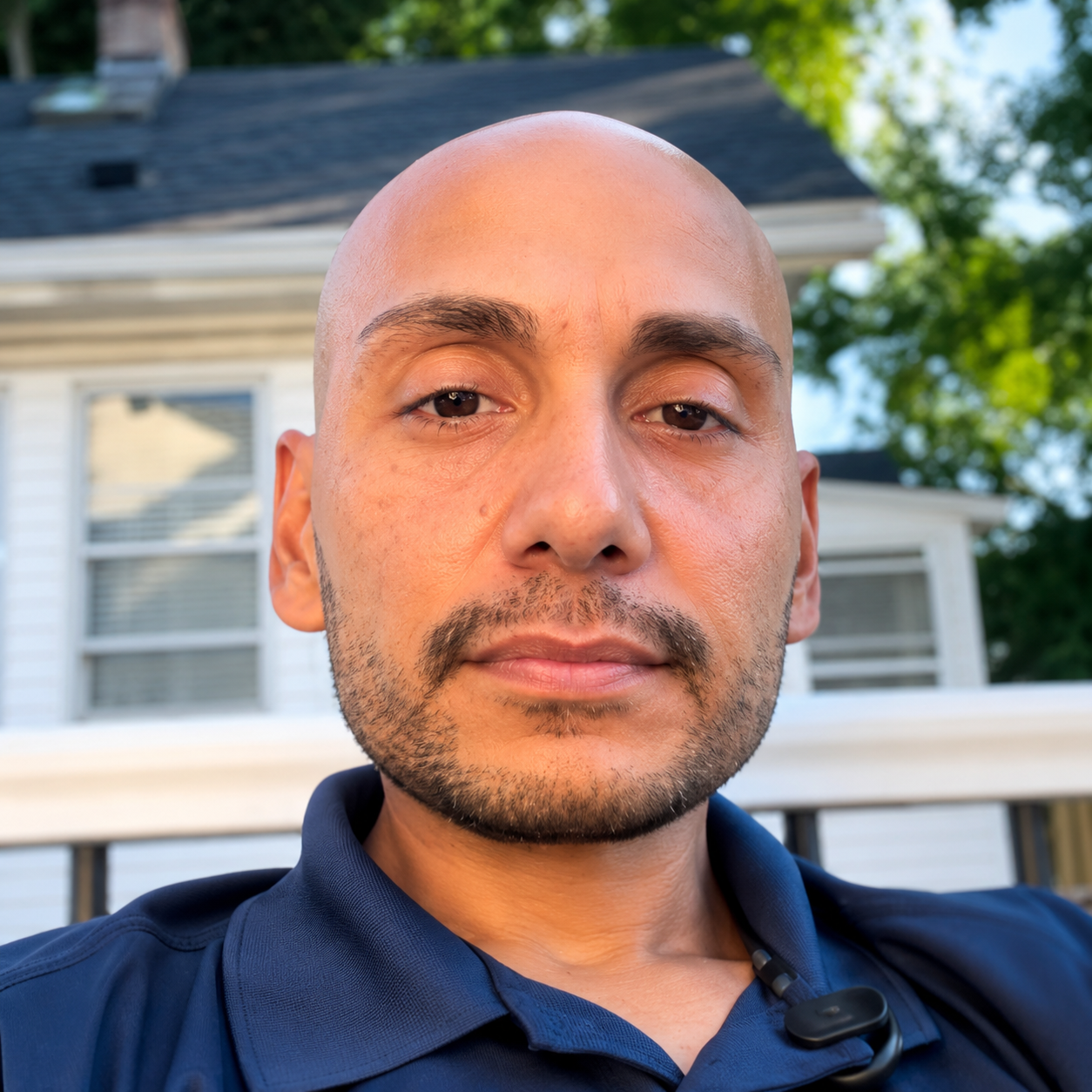
Written By: Jim Rincon
Jim Rincon is the owner of Peak Quality Roofing, a locally owned roofing company based in Melrose, Massachusetts. Jim and the PQR team help homeowners with roof leak inspections, chimney flashing issues, roof repairs, roof replacement, gutters, siding, skylights, and related exterior work across Melrose and nearby North Boston communities.
7 min Read
Siding
Compare common siding options for Massachusetts homes, including durability, maintenance, and long-term value.
 6 min Read
Siding
Learn how siding replacement can affect curb appeal, protection, energy performance, and resale value.
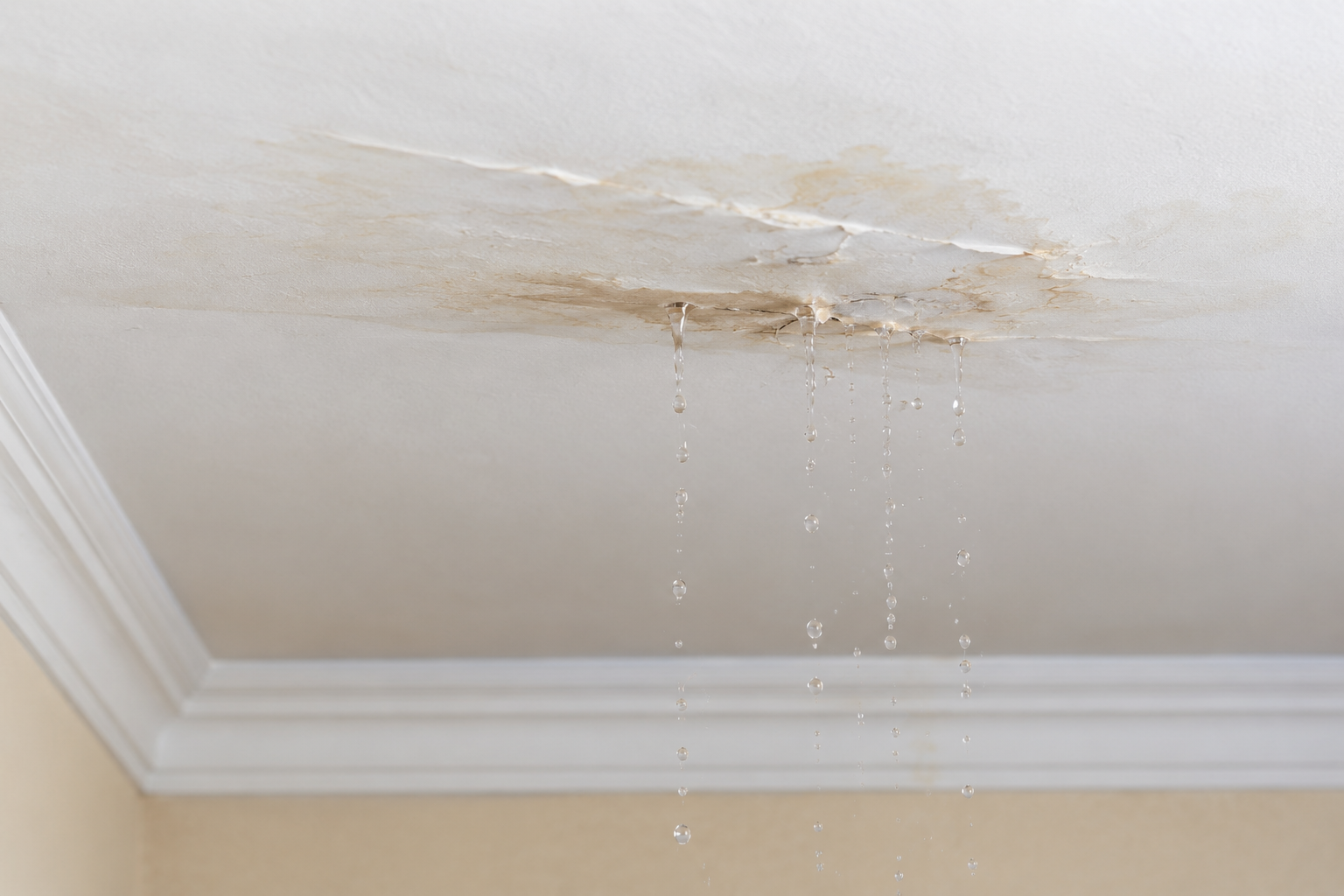 5 min Read
Roof Leaks
Seeing active water coming in? Here are the first steps to take before the damage gets worse.
Fill out the form below and Peak Quality Roofing will follow up with you.

FOLLOW US ON





CUSTOMER CARE
OFFICE LOCATION
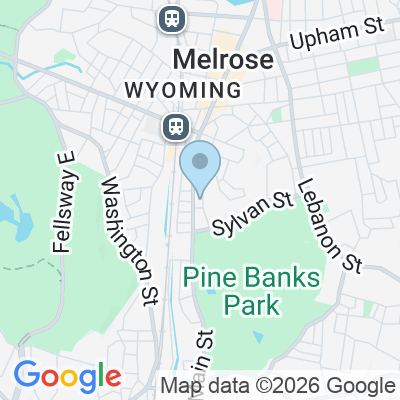
58 Mount Vernon Ave, Melrose, MA 02176

FOLLOW US ON




Copyright 2025. All rights reserved.
Website by Pure Value Advisors