 7 min Read
Siding
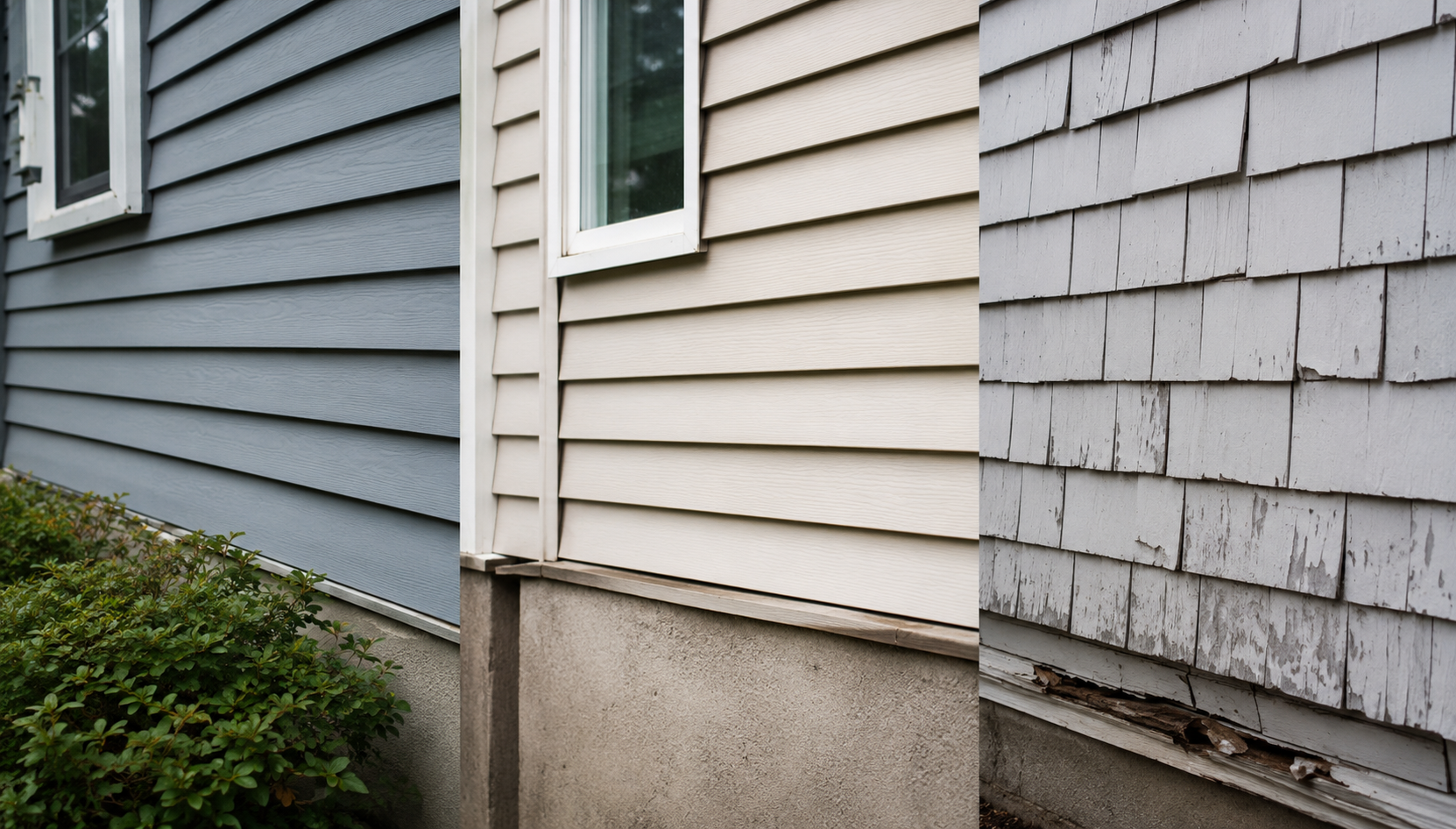
Fiber Cement vs. Vinyl vs. Clapboard Siding
Compare common siding options for Massachusetts homes, including durability, maintenance, and long-term value.


Articles
6min Read
If your ceiling only stains or drips during a hard downpour and stays dry the rest of the time, it's easy to assume the roof is fine. It isn't. A leak that only shows up under heavy rain almost always means water is finding its way in only once it hits a certain volume, angle, or pressure, which is exactly why it's so easy to miss during a quick look on a dry day.
This guide walks through the most common reasons rain-only leaks happen and what to do if you're dealing with one.
Most roofing materials are built to shed a light or moderate rain without issue. Shingles, flashing, and underlayment are layered to direct water downhill and off the roof edge under normal conditions.
Heavy rain changes that in three ways: it adds volume that can overwhelm drainage points, it often arrives with wind that pushes water sideways instead of straight down, and it saturates materials that were already partially compromised. A gap or weak point that's too small to leak in a drizzle can leak freely once enough water is moving across it.
That's why a rain-only leak isn't random. It's a sign that something on the roof is right at the edge of failing, and heavy rain is what pushes it over that edge.

Flashing is the metal installed around roof penetrations, edges, and transitions to keep water out. It's built to handle rain falling straight down, but wind-driven rain during a storm can push water up and under flashing that would otherwise shed it fine.
This is especially common around chimneys, where flashing failures are one of the most frequent causes of leaks we find during inspections. We cover this in more detail in Chimney Flashing Roof Leaks in Massachusetts, and it's a repair we handle often through our chimney repair service.
Step flashing along dormers and sidewalls, and flashing at skylights, can fail the same way. Learn more about how we handle penetration flashing on our skylight repair page.

Roof valleys and gutters are designed to move a specific volume of water per minute. During a heavy storm, that volume can spike well beyond what the system handles on an average day.
If gutters are clogged with debris, undersized, or pitched incorrectly, water can back up under the shingles at the roof edge instead of draining off. Valleys carry more water than any other part of the roof during a downpour, so any weak point in the valley flashing tends to show up first during the heaviest rain.
Clean, properly functioning gutters are one of the simplest ways to reduce this risk, and it's one of the first things we check during an inspection.

Underlayment is the water-resistant barrier installed underneath the shingles. On an older roof, this layer can be worn, brittle, or torn in spots, but as long as the shingles above it are intact, a light rain may never reach it.
A heavy, sustained rain is different. It gives water more time and more volume to work past the shingles and reach the underlayment, and once that layer is compromised, water can travel along the decking before it ever shows up as a stain inside the house. This is part of why a leak can appear in a spot that's several feet from where the actual entry point is on the roof.
This is also a factor we weigh heavily when deciding between repair and replacement, and it's covered in our roof repair vs. replacement checklist.

Every place something passes through the roof, a chimney, skylight, plumbing vent, or exhaust fan, is a seam that has to be sealed and flashed correctly. These seams are the most common failure points on any roof, and they're often the reason a leak only appears under heavy rain rather than every time it rains.
A small gap around a vent boot or a slightly lifted piece of skylight flashing might only let water through once wind pressure or standing water forces it past the seal. We've seen this pattern firsthand on inspections, including a case involving cupola deterioration in Wakefield that only became obvious once we got a closer look.

A visual check from the ground, or even a walk on the roof on a clear day, can miss a rain-only leak entirely. Flashing can look intact, shingles can look fine, and there may be no visible sign that anything is wrong until enough water pressure builds up during a real storm.
This is why we don't rely on a quick look alone. Our Roof Health Report documents penetrations, flashing, valleys, and gutter drainage in detail, along with photos, so intermittent issues like this are far less likely to get missed.

If you've noticed a leak that only shows up during heavy rain, a few steps can help protect your home while you get it looked at:
Note exactly where the water appears inside and whether it correlates with wind direction, since that can help pinpoint the source.
Check attic insulation and framing near the leak for staining, even if the ceiling looks dry, since water can travel before it shows.
Avoid patching from inside the house. Roof leaks often need to be traced and sealed from the source, not just covered where the water lands.
If water is actively coming in right now, our emergency leak guide covers the immediate steps to take before further damage occurs.
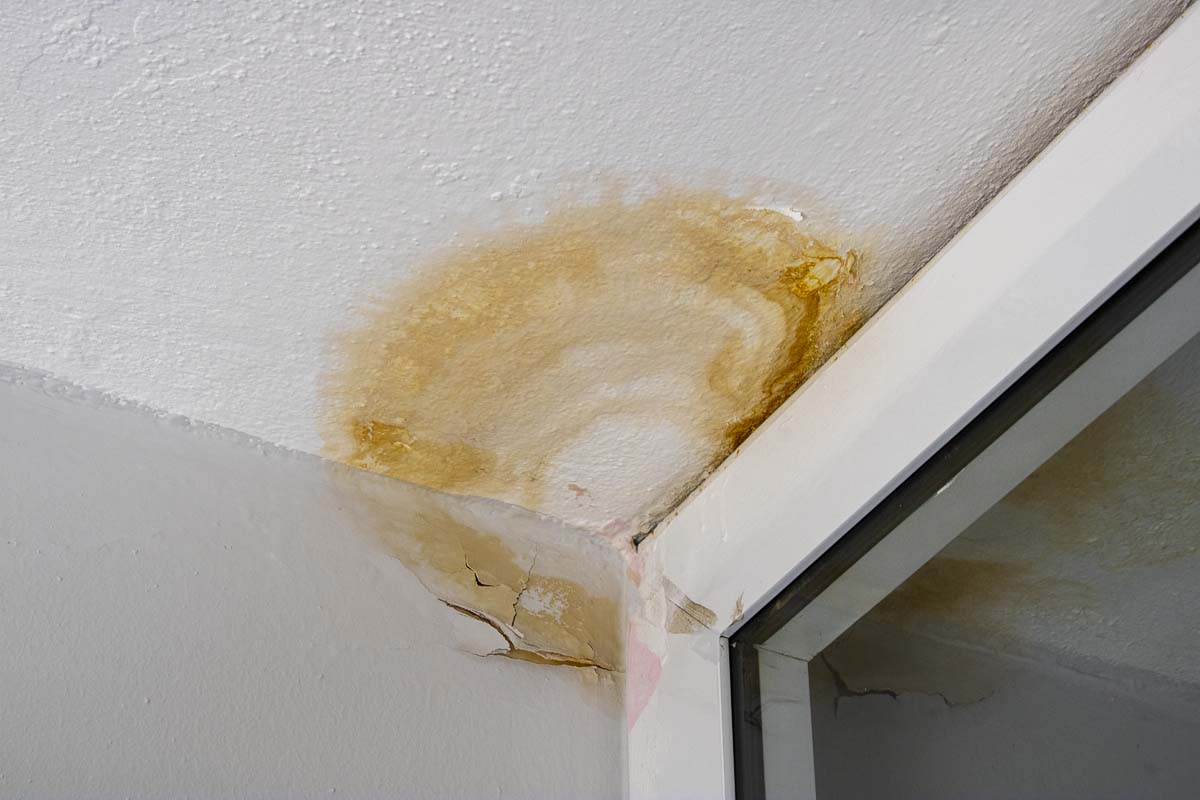
We've seen this exact pattern play out locally. In one Wakefield home, recurring water intrusion only appeared during heavier storms, and it took a full inspection to trace it back to chimney flashing that was letting water through under wind pressure. You can see the details in Chimney Flashing & Roof Leak Prevention Inspection in Wakefield, MA.
In another Wakefield project, a homeowner dealing with multiple roof leaks found that what looked like isolated, weather-dependent leaks were actually signs of a roof nearing the end of its service life. And in Malden, hidden siding and flashing issues behind the exterior wall were traced back to a similar rain-driven leak pattern that only showed up during storms.

A leak that only appears during heavy rain is still a real leak, even on the days it doesn't show. Left alone, that intermittent moisture can lead to rotted decking, mold, and damaged insulation long before it becomes an obvious, everyday problem.
If it's been a while since your roof was inspected, or if snow and ice are part of the picture in colder months, it's also worth understanding how snow and ice dam removal fits into preventing water intrusion during the winter.
You don't have to guess where the water is coming from. Peak Quality Roofing will inspect your roof in person, trace the leak back to its actual source, document everything we find with photos, and walk you through your options in plain terms.
Whether it turns out to be a simple flashing repair or a sign that replacement makes more sense, we'll explain it clearly, with no sales pressure and no pushing you toward more than you need.
Schedule your free Roof Health Report today and get real answers for your home.
Call Peak Quality Roofing: 781-650-7458
Service areas: Melrose, Medford, Malden, Stoneham, Wakefield, Everett, Winchester, and nearby North Boston communities.

Written By: Jim Rincon
Jim Rincon is the owner of Peak Quality Roofing, a locally owned roofing company based in Melrose, Massachusetts. Jim and the PQR team help homeowners with roof leak inspections, chimney flashing issues, roof repairs, roof replacement, gutters, siding, skylights, and related exterior work across Melrose and nearby North Boston communities.
7 min Read
Siding
Compare common siding options for Massachusetts homes, including durability, maintenance, and long-term value.
 6 min Read
Siding
Learn how siding replacement can affect curb appeal, protection, energy performance, and resale value.
 5 min Read
Roof Leaks
Seeing active water coming in? Here are the first steps to take before the damage gets worse.
Fill out the form below and Peak Quality Roofing will follow up with you.
We provide honest roof inspections and clear reports so you can make confident decisions about your home.




OUR SERVICES
Gutter
Skylight
Snow & Ice Removal
SERVICE LOCATIONS
OFFICE LOCATION
58 Mount Vernon Ave, Melrose, MA 02176


CUSTOMER CARE
OFFICE LOCATION
58 Mount Vernon Ave, Melrose, MA 02176

FOLLOW US ON
Copyright 2025. All rights reserved.
Website by Pure Value Advisors