 7 min Read
Siding
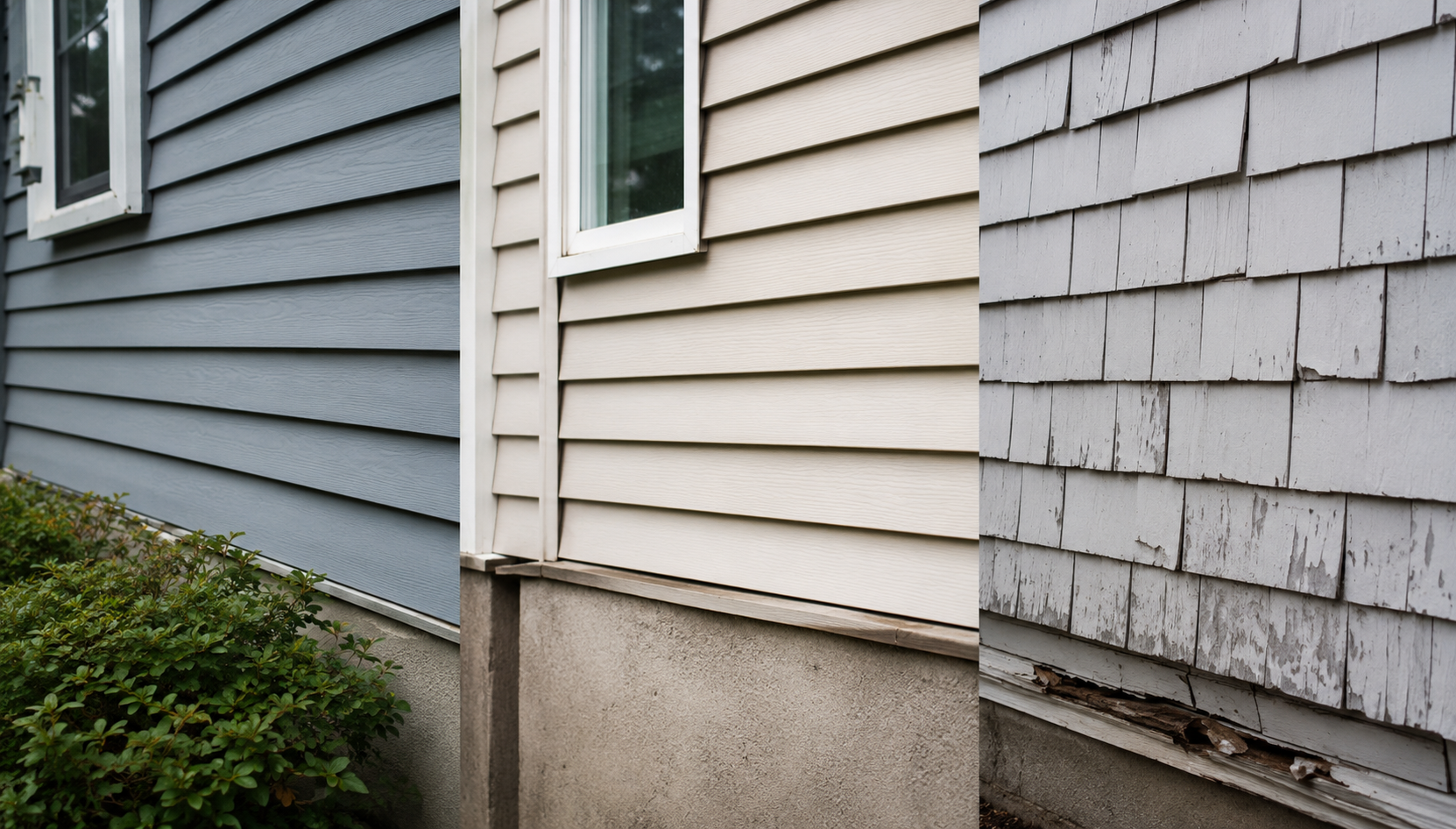
Fiber Cement vs. Vinyl vs. Clapboard Siding
Compare common siding options for Massachusetts homes, including durability, maintenance, and long-term value.

Articles
6min Read
Every roof repair eventually raises the same question: is this worth fixing again, or is it time to stop patching and replace the whole roof?
There's no single number that answers that for every home. The right call depends on the roof's age, how many times it's already been repaired, where the damage is located, and what's happening underneath the shingles that you can't see from the ground.
This guide walks through the signs that tip the decision toward replacement, so you're not stuck guessing every time a new leak shows up.
Roof repair is usually the right first move. A missing shingle, a failed pipe boot, or a small flashing gap can often be fixed for a few hundred dollars without touching the rest of the roof.
The problem is that repair and replacement aren't really two competing options, they're two ends of the same timeline. Every roof eventually moves from "repair makes sense" to "repair is just delaying the inevitable," and the tricky part is knowing which side of that line your roof is currently on.
We put together a broader roof repair vs. replacement checklist that covers the general framework. This article goes deeper into the specific signals that matter most.

Age alone doesn't automatically mean a roof needs replacing, but it changes how much sense repair makes financially.
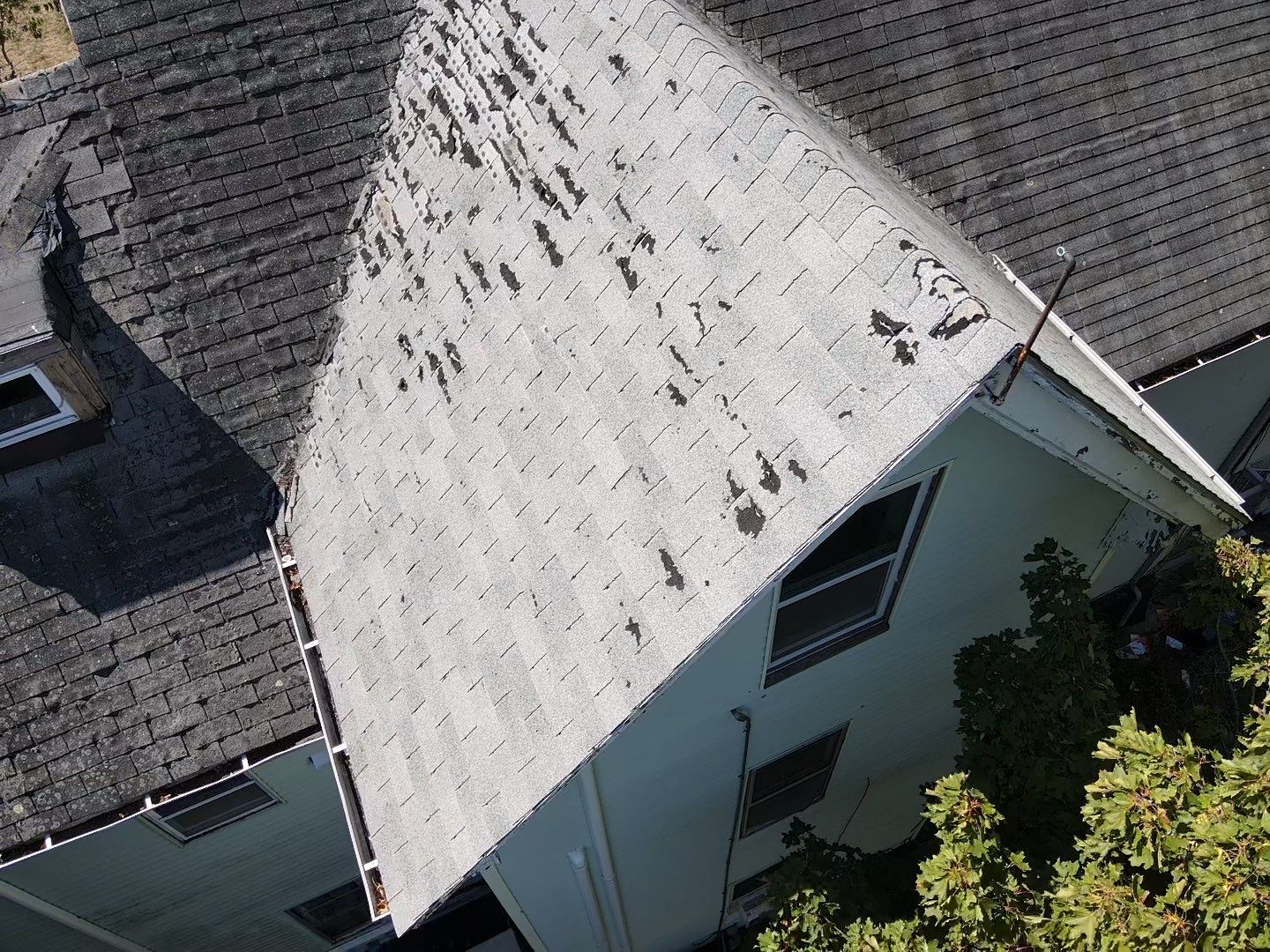
Most asphalt shingle roofs in Massachusetts are built to last roughly 20 to 25 years, depending on the material grade and how well the roof was ventilated. Once a roof passes that mark, the shingles as a whole are losing granules and flexibility, not just the section that happens to be leaking right now.
That matters because a repair on an aging roof only fixes the spot you can see. The shingles next to it are aging at the same rate and are likely to fail soon after. If you're not sure how old your roof is or how it's holding up, a roof inspection is the fastest way to find out, our Roof Health Report documents exactly where a roof stands in its lifespan with photos, not guesswork.
One repair is normal maintenance. A second repair in the same season is a signal worth paying attention to. A third is usually the point where the math stops favoring repair.
Each individual repair might look affordable, $400 here, $600 there, but they add up quickly, and none of that spending builds toward a new roof. If you've called for roof repair more than once in the past two years for issues in different areas of the roof, that pattern itself is meaningful, even if any single repair seems minor.
A good way to think about it: repair spending should be treated like a running total, not a series of unrelated bills. Once that total starts approaching what a partial re-roof would cost, replacement usually becomes the better use of the money.

Where the damage is located matters as much as how often it happens.
A single leak traced to one clear cause, a cracked pipe boot, a lifted shingle, a flashing gap at one chimney, is a textbook repair situation. It's isolated, the cause is identifiable, and fixing that one spot solves the problem.
Leaks showing up in more than one area of the roof tell a different story. That pattern usually means the underlying material, the shingles, the underlayment, or the flashing system as a whole is failing generally, not just in one spot. Patching each leak as it appears turns into a cycle, because you're treating symptoms in different locations rather than the shared cause.
We've documented this exact pattern on a project involving a roof replacement in Wakefield, MA after multiple roof leaks, where repeated leak calls in different spots on the same roof were the clearest sign that repair had run its course.
The shingles are only the outer layer. What decides whether repair still makes sense is often what's underneath them the decking and underlayment you can't evaluate just by looking up at the roof from the driveway.
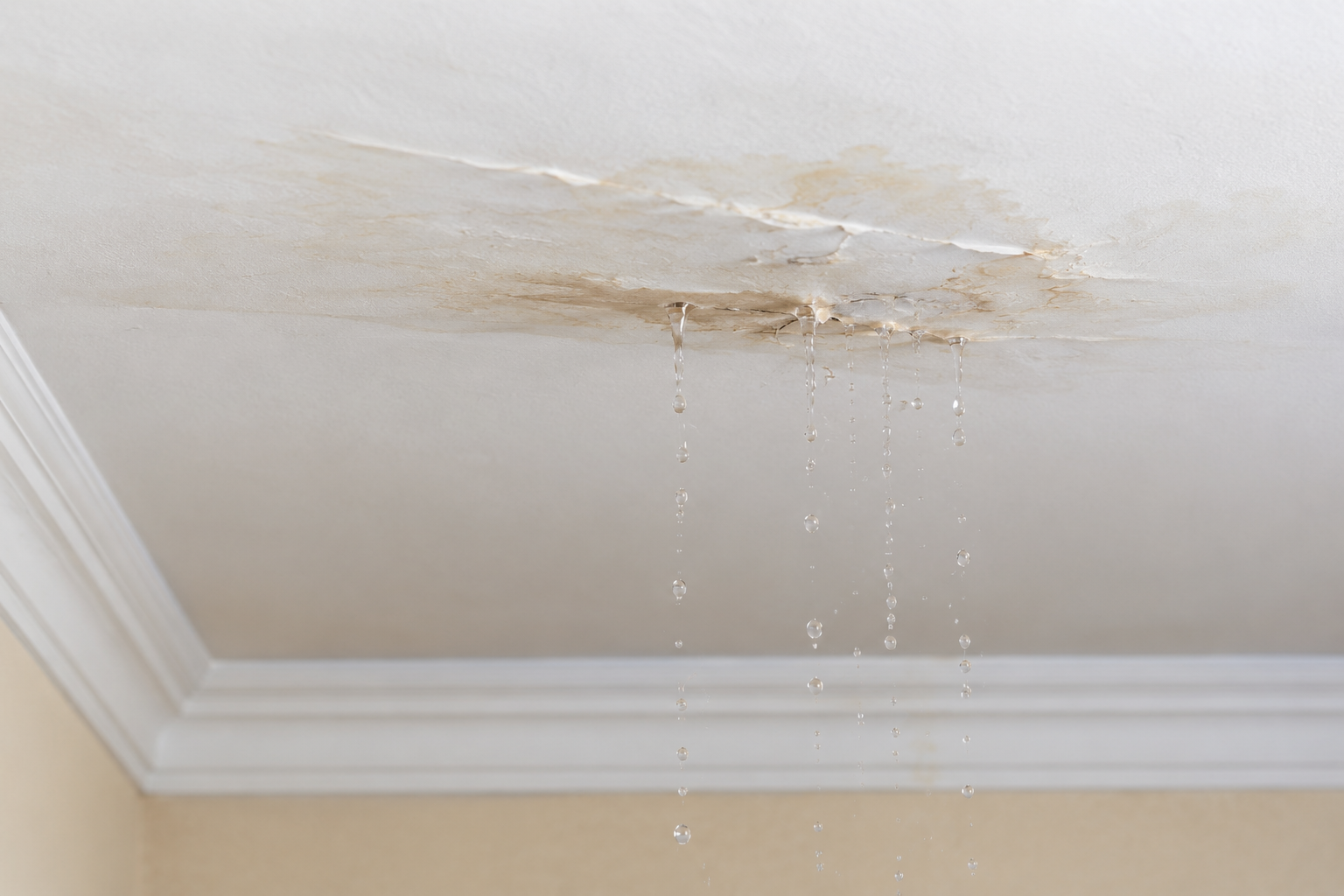
If water has been getting in for a while, even a small leak, the plywood decking underneath can develop soft spots, rot, or mold. Once that happens, a surface-level shingle repair doesn't actually fix anything, because the structural layer underneath is still compromised. In that situation, the roof usually needs to be opened up regardless of how small the visible symptom looked.
We ran into exactly this on a project involving hidden installation issues discovered during a roof replacement in Malden, where problems under the surface weren't visible until tear-off began. It's also part of why every roof inspection we do includes checking decking condition, not just counting damaged shingles.

Roof penetrations, chimneys, skylights, vents, and pipe boots are the most common source of leaks, and they're also where the repair-vs-replace decision gets more complicated.
A single flashing repair around one chimney is straightforward. But if a chimney has been leaking for a while, the issue can extend past the flashing itself into the surrounding decking and even the chimney structure, as we saw on a roof replacement and chimney rebuild project in Malden. In cases like that, chimney repair alone doesn't resolve the problem if the surrounding roof section is also compromised.
We've also inspected roofs where a chimney flashing issue was masking a broader leak source, including a chimney flashing and roof leak prevention inspection in Wakefield, MA and a separate case involving chimney flashing roof leaks traced back to aging materials rather than one bad seal. If your chimney or another penetration has already been repaired once and is leaking again, that's usually a sign to look at the roof section around it, not just the flashing itself.

At some point, the decision comes down to simple math: how much more will you spend keeping this roof alive versus starting fresh?
Individual repairs typically run a few hundred dollars each. A full asphalt shingle replacement in Massachusetts generally falls between $12,000 and $30,000 depending on size, pitch, and material, as we break down in our Massachusetts roof replacement cost guide. That's a big gap, which is exactly why repair almost always makes sense first.
The math shifts once you're facing a larger repair, a full section of decking, a chimney rebuild, or multiple simultaneous flashing failures. A repair bill in the $3,000–$6,000 range on a roof that's already 18-20+ years old is often better spent as a down payment toward a full replacement, especially since financing options can spread that larger cost out over time. Waiting doesn't always save money either we cover that timing question separately in Winter Roofing Costs: Is It Cheaper to Wait Until Spring?

The pattern holds up across the projects we've done in the area. In Malden, a roof at the historic firehouse had reached the point where continued patching no longer made sense given its age and condition. Another Malden home needed both roof and exterior restoration work after repairs alone stopped addressing the underlying issues, and a separate case involved a roof leak traced to hidden siding and flashing issues that repair couldn't fully resolve on its own.
In Wakefield, a routine inspection uncovered cupola deterioration that a homeowner wouldn't have found without a full roof-level look. These are the kinds of findings a targeted repair call is never going to catch, because nobody's up on the roof unless they're specifically looking for it.
We've also written more generally about common roof problems we see in Melrose, Malden, Wakefield, and surrounding areas, if you want a broader sense of what tends to show up on roofs in this part of Massachusetts.

You don't have to figure any of this out by guessing from the ground or comparing bills in your head. A proper roof inspection gives you a clear, documented answer.
Our Roof Health Report covers the shingles, flashing, decking, and any penetration points, with photos of exactly what we find. That documentation is what actually answers the repair-vs-replace question for your specific roof, rather than a general rule of thumb. It's also the same process we walk every homeowner through, you can see how it works on our process page.
If ice damming or snow load is part of what's driving concern about your roof's condition, it's also worth understanding snow and ice dam removal as a way to protect a roof that's still in the repair-worthy range.
You don't have to figure that out on your own. Peak Quality Roofing will inspect your roof in person, document everything we find with photos, and walk you through exactly what's going on, whether that means a simple repair, a partial fix, or a full replacement.
We'll explain your options in plain terms and help you make an informed decision, with no sales pressure and no pushing you toward a bigger project than you actually need.
Schedule your free Roof Health Report today and get real answers for your home.
Call Peak Quality Roofing: 781-650-7458
Service areas: Melrose, Medford, Malden, Stoneham, Wakefield, Everett, Winchester, and nearby North Boston communities.
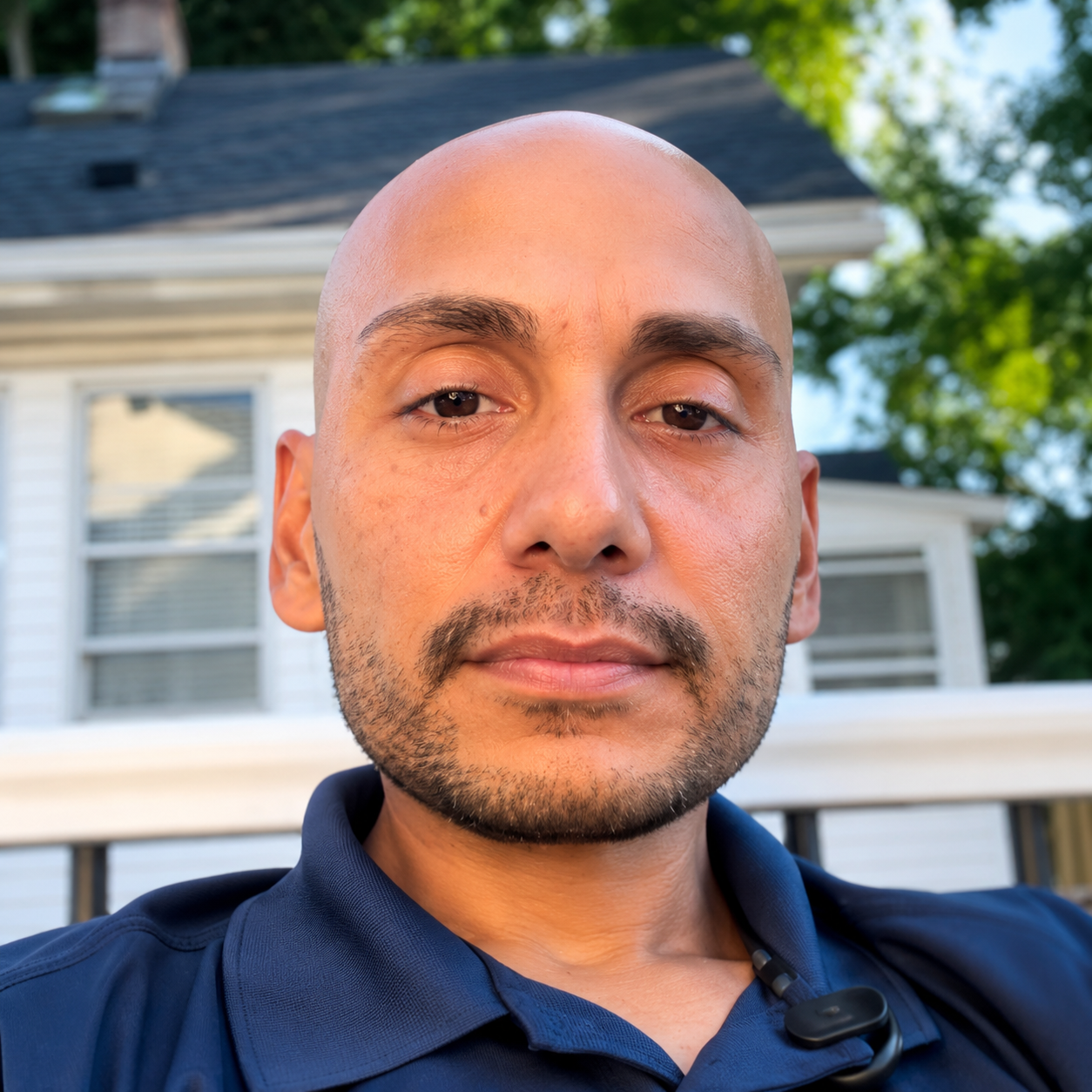
Written By: Jim Rincon
Jim Rincon is the owner of Peak Quality Roofing, a locally owned roofing company based in Melrose, Massachusetts. Jim and the PQR team help homeowners with roof leak inspections, chimney flashing issues, roof repairs, roof replacement, gutters, siding, skylights, and related exterior work across Melrose and nearby North Boston communities.
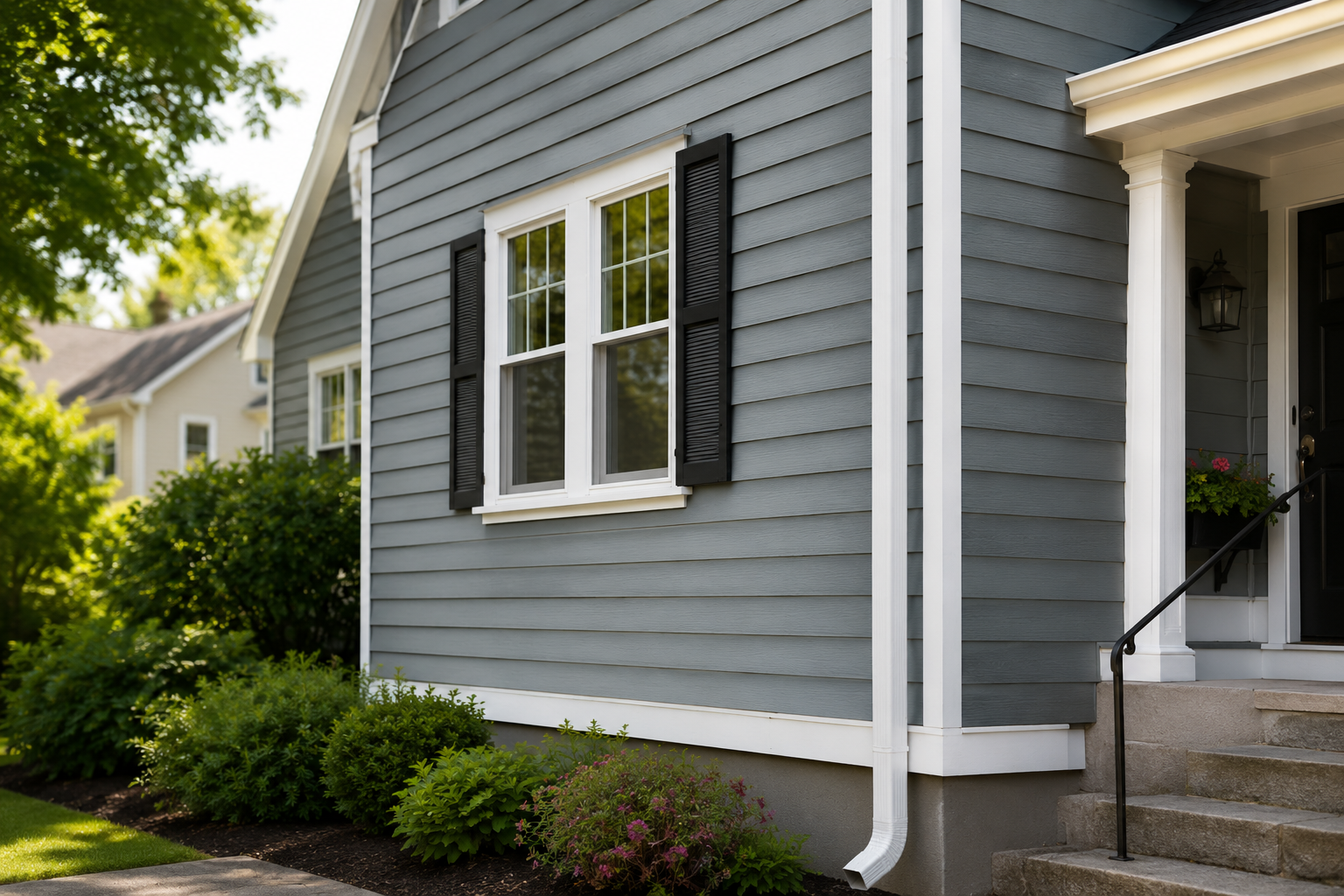
7 min Read
Siding
Compare common siding options for Massachusetts homes, including durability, maintenance, and long-term value.
 6 min Read
Siding
Learn how siding replacement can affect curb appeal, protection, energy performance, and resale value.
5 min Read
Roof Leaks
Seeing active water coming in? Here are the first steps to take before the damage gets worse.
Fill out the form below and Peak Quality Roofing will follow up with you.
We provide honest roof inspections and clear reports so you can make confident decisions about your home.




OUR SERVICES
Gutter
Skylight
Snow & Ice Removal
SERVICE LOCATIONS
OFFICE LOCATION
58 Mount Vernon Ave, Melrose, MA 02176


CUSTOMER CARE
OFFICE LOCATION
58 Mount Vernon Ave, Melrose, MA 02176

FOLLOW US ON
Copyright 2025. All rights reserved.
Website by Pure Value Advisors