 7 min Read
Siding
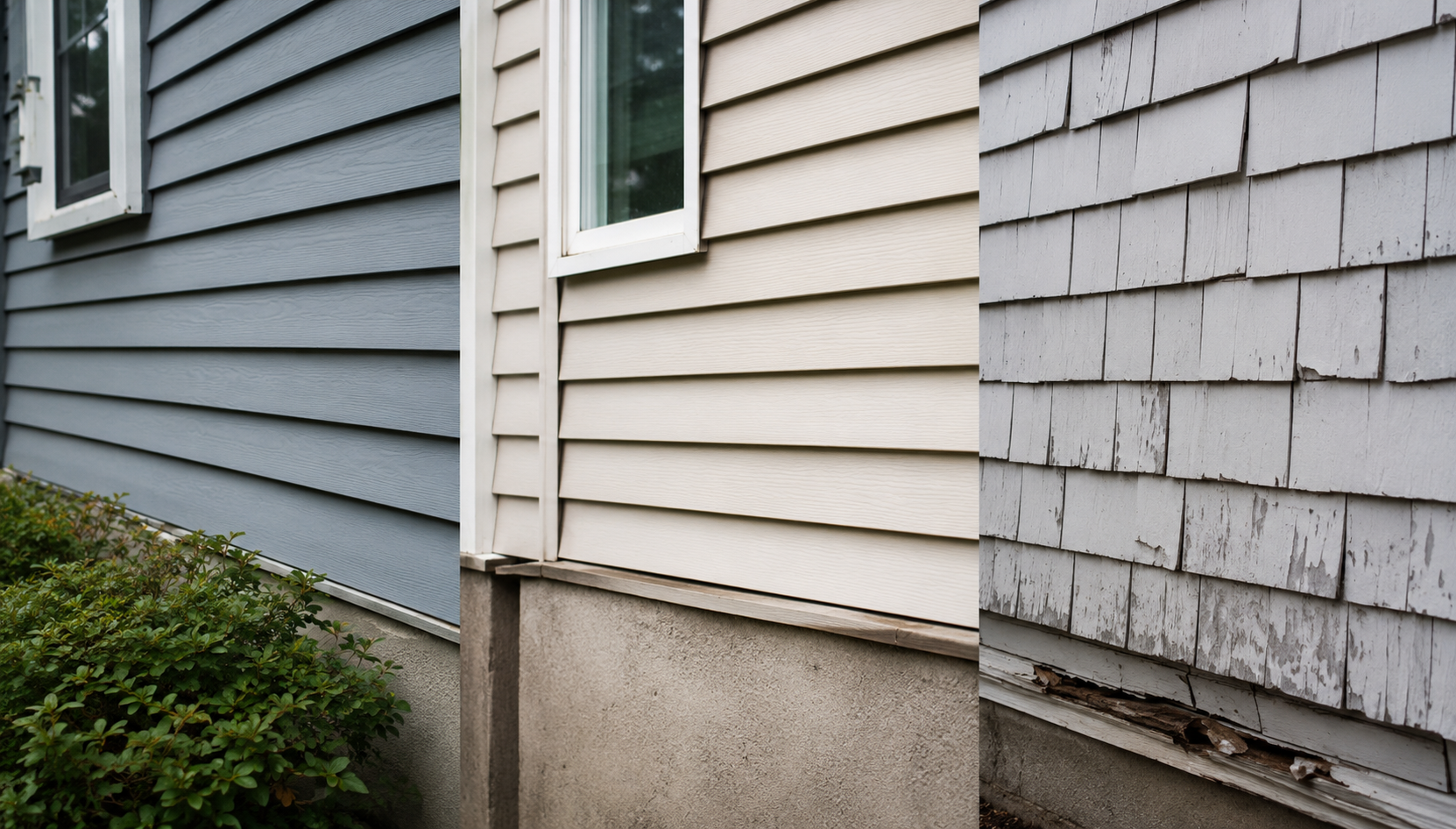
Fiber Cement vs. Vinyl vs. Clapboard Siding
Compare common siding options for Massachusetts homes, including durability, maintenance, and long-term value.

Articles
6min Read
When homeowners plan a roof replacement, most of the conversation goes to shingles, color, and price. Ventilation rarely comes up until it's already a problem: a shingle warranty that doesn't hold up, ice dams that keep coming back, or an attic that's noticeably hotter than it should be.
At Peak Quality Roofing, ventilation isn't an upsell we tack on at the end of a project. It's built into how we scope every replacement, because a new roof without proper airflow underneath it is a roof that's already working against itself. This guide walks through why that is, what happens when ventilation gets skipped, and how we evaluate it as part of every Roof Health Report.
A roof isn't just the shingles you see from the street. It's a system, decking, underlayment, shingles, flashing, and the airflow moving underneath all of it. Ventilation is the part of that system most homeowners never see, which is exactly why it gets overlooked.
During a full roof replacement, the decking is exposed and the old vents come off anyway. That makes it the one point in a roof's 20–30 year life when correcting a ventilation problem is simple and inexpensive, instead of a separate project later. Skipping that opportunity doesn't save money, it just moves the cost into shingle life, energy bills, and future repairs.
We build ventilation into the same scope we use for asphalt roofing, metal roofing, and flat roofing projects alike, because every roof type needs a way for heat and moisture to escape the attic or roof deck below it.

Proper attic ventilation depends on a balanced system, not just a vent or two cut into the roof.
Intake: Cool outside air enters low on the roof, usually through soffit vents under the eaves.
Exhaust: Warm, moist air exits high on the roof, typically through a ridge vent running along the peak, or through box vents and power vents where a ridge vent isn't practical.
Air needs to move continuously between intake and exhaust for the system to work. If intake is blocked and commonly by insulation stuffed into the eaves, even a well-built ridge vent has nothing to draw from, and the whole system stalls. This is one of the most common issues we find once we're up on a roof during a roof inspection.

An attic without balanced airflow doesn't fail all at once. It shows up gradually, in ways that are easy to blame on something else:
Shortened shingle life. Trapped summer heat bakes the underside of shingles from below, accelerating the same aging process the sun causes from above. A roof that should last 25–30 years can start showing granule loss and curling well ahead of schedule.
Moisture buildup. In winter, warm, humid indoor air rises into the attic and condenses on the cold underside of the deck when it has nowhere to escape. Over time that moisture can rot decking, rust fasteners, and grow mold — problems that surface as a roof leak long after the actual cause was ventilation, not a shingle failure.
Higher energy bills. A superheated attic in summer pushes more heat into the living space below, making air conditioning work harder. In winter, escaping heat that should stay in the house instead warms the roof deck, which is part of what drives ice dam formation.
Warranty exposure. Most shingle manufacturers require code-minimum ventilation to keep a material warranty valid. A ventilation problem discovered after a leak can mean a claim gets denied over something that had nothing to do with how the shingles were installed.
We cover a related version of this in 7 Signs Your Roof Is Nearing the End of Its Life — ventilation problems are often the quiet reason a roof ages faster than it should.

This is worth calling out on its own, because it catches people off guard. Shingle manufacturers publish minimum net free ventilation area requirements typically expressed as a ratio of vent area to attic floor area and tie their warranty coverage to meeting that minimum.
If a roof is re-shingled without addressing an undersized or unbalanced ventilation system, the shingles themselves can be installed perfectly and the warranty can still be at risk. It's one more reason ventilation gets evaluated as part of the same scope as the shingles, not treated as a separate line item a homeower can decline without consequence.
If you're comparing financing options for a full replacement, ventilation upgrades are typically a small percentage of the total project cost relative to the protection they add to the rest of the investment.

A few things homeowners notice before they know to call it a ventilation issue:
Upstairs rooms run noticeably hotter than the rest of the house in summer
Ice dams or icicles form along the eaves most winters, even after snow and ice dam removal
Visible frost or moisture on the underside of the roof deck in the attic during cold months
A musty smell in the attic or top-floor closets
Shingles that look aged, curled, or granule-worn well before the roof's expected lifespan
Higher-than-expected heating or cooling bills relative to similar homes nearby
If several of these sound familiar, it's worth having it looked at rather than waiting for a roof leak or a roof repair call to bring it to the surface. Our common roof problems article covers several of the North Boston area's most frequent issues, and ventilation is a recurring root cause behind more than one of them.

Ice dams are one of the most visible ways a ventilation problem shows up in New England. When heat escapes into an under-ventilated attic, it warms the roof deck unevenly. Snow on the warmer upper sections melts, runs down, and refreezes at the colder eaves, where it backs up under the shingles and can work its way into the house.
Massachusetts building code requires ice and water shield along the eaves specifically because this pattern is so common here, we cover that requirement in our roof replacement cost guide. But ice and water shield is a backstop, not a fix. Balanced ventilation addresses the actual cause by keeping the roof deck at a more even temperature, so snow melts and refreezes less unevenly in the first place.
For homes already dealing with recurring ice damming, snow and ice dam removal manages the immediate risk during winter, but pairing it with a ventilation correction is usually what stops the pattern from repeating year after year. We saw this play out on a project in Wakefield, where a roof inspection uncovered cupola deterioration tied directly to airflow and moisture issues that had been building for years.

Not every roof uses the same ventilation approach - it depends on the roofline, attic layout, and whether the home has a finished or unfinished attic space.
Ridge vents: Run continuously along the roof's peak, paired with soffit intake vents. The most common and most effective setup on roofs with a straightforward ridge line, and standard on most of the asphalt roofing replacements we install.
Soffit vents: The intake side of the system, installed under the eaves. Often need to be added or unblocked even when a home already has a ridge vent.
Box vents (static vents): Individual vents placed near the ridge, used on rooflines that don't have enough continuous ridge length for a ridge vent to work well on its own.
Power vents: Fan-assisted exhaust, useful on complex or hip rooflines where passive ventilation alone can't move enough air.
Gable vents: Common on older Massachusetts homes; can work with or against a ridge/soffit system depending on how they're positioned, which we evaluate case by case.
On homes with skylights, we also check that ventilation around each unit is intact, since a skylight curb is another place airflow and flashing intersect, something we look at alongside our skylight repair work. And for homes adding solar panels during a replacement, ventilation gets planned around the panel layout so the array doesn't block ridge or soffit airflow.

Ventilation is one of the four parts of every Roof Health Report we perform, alongside the shingles and roof surface, flashing points, and the roof deck itself. We check intake and exhaust separately, since a roof can have plenty of exhaust vents and still perform poorly if soffit intake is blocked or undersized.
We also look for signs of past moisture problems in the attic - staining, rusted fasteners, compressed or damp insulation because those tell us how long a ventilation issue has likely been present, even on a roof that looks fine from the outside. This is the same documented, photo-based process we walk through in What Happens During a Professional Roof Inspection, and it's part of what we cover during our process on every project, whether the outcome ends up being a targeted roof repair or a full roof replacement.
If a repair is enough to solve the problem, we'll say so, our roof repair vs. replacement checklist and When Is Roof Repair No Longer Worth It? both walk through how we make that call.

Ventilation is easy to overlook because it's invisible once the shingles go on but it's one of the biggest factors in how long a new roof actually lasts. Whether you're planning a full roof replacement or just want to know if your current attic is ventilated correctly, we'll check it as part of a full, no-pressure inspection.
We serve homeowners throughout Melrose, Medford, Malden, Stoneham, Wakefield, Everett, Winchester, and the surrounding North Boston area. You can also see recent ventilation and roof replacement work on our projects page.
Schedule your free Roof Health Report today and get real answers for your home.
Call Peak Quality Roofing: 781-650-7458
Service areas: Melrose, Medford, Malden, Stoneham, Wakefield, Everett, Winchester, and nearby North Boston communities.

Written By: Jim Rincon
Jim Rincon is the owner of Peak Quality Roofing, a locally owned roofing company based in Melrose, Massachusetts. Jim and the PQR team help homeowners with roof leak inspections, chimney flashing issues, roof repairs, roof replacement, gutters, siding, skylights, and related exterior work across Melrose and nearby North Boston communities.
7 min Read
Siding
Compare common siding options for Massachusetts homes, including durability, maintenance, and long-term value.
 6 min Read
Siding
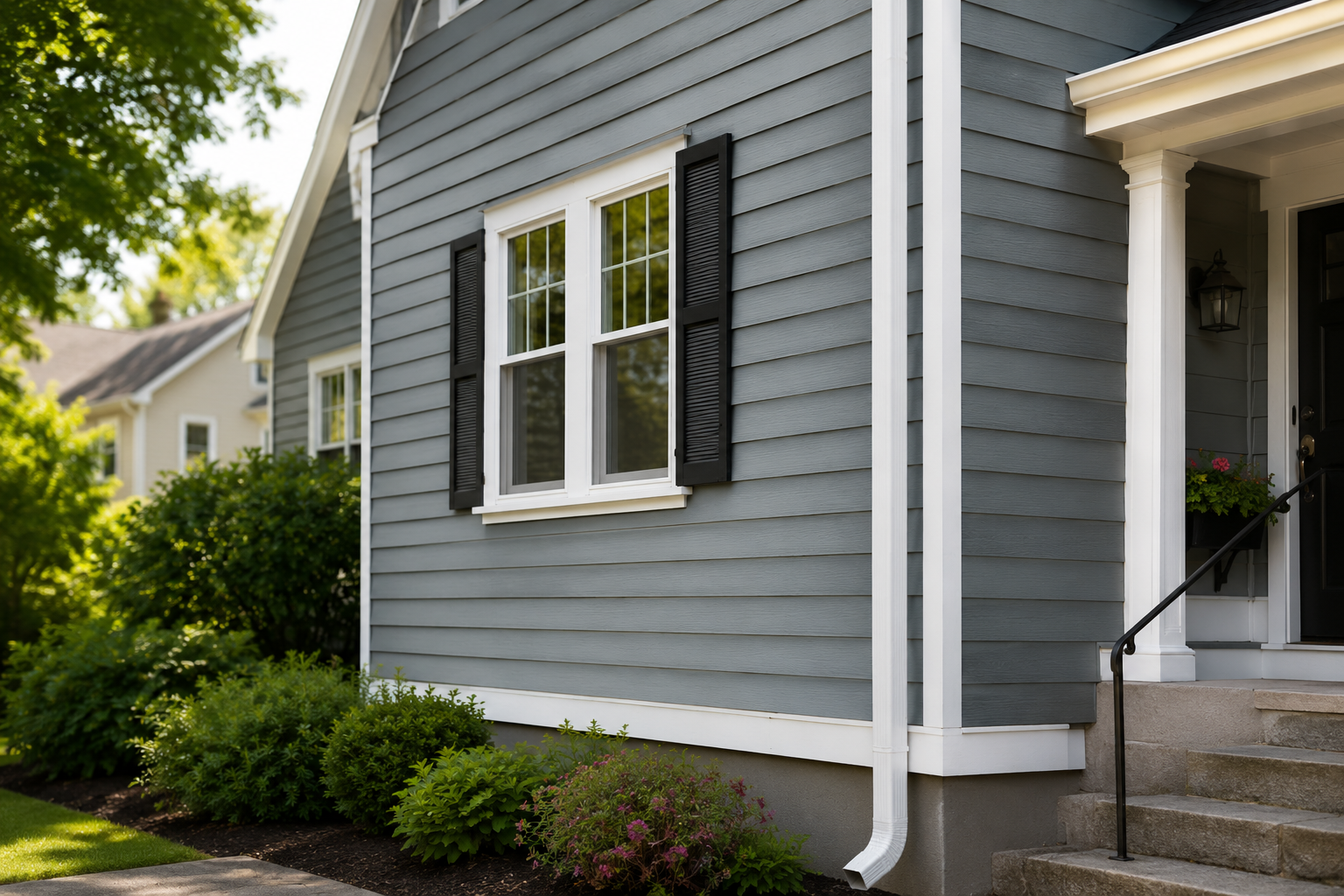
Learn how siding replacement can affect curb appeal, protection, energy performance, and resale value.
 5 min Read
Roof Leaks
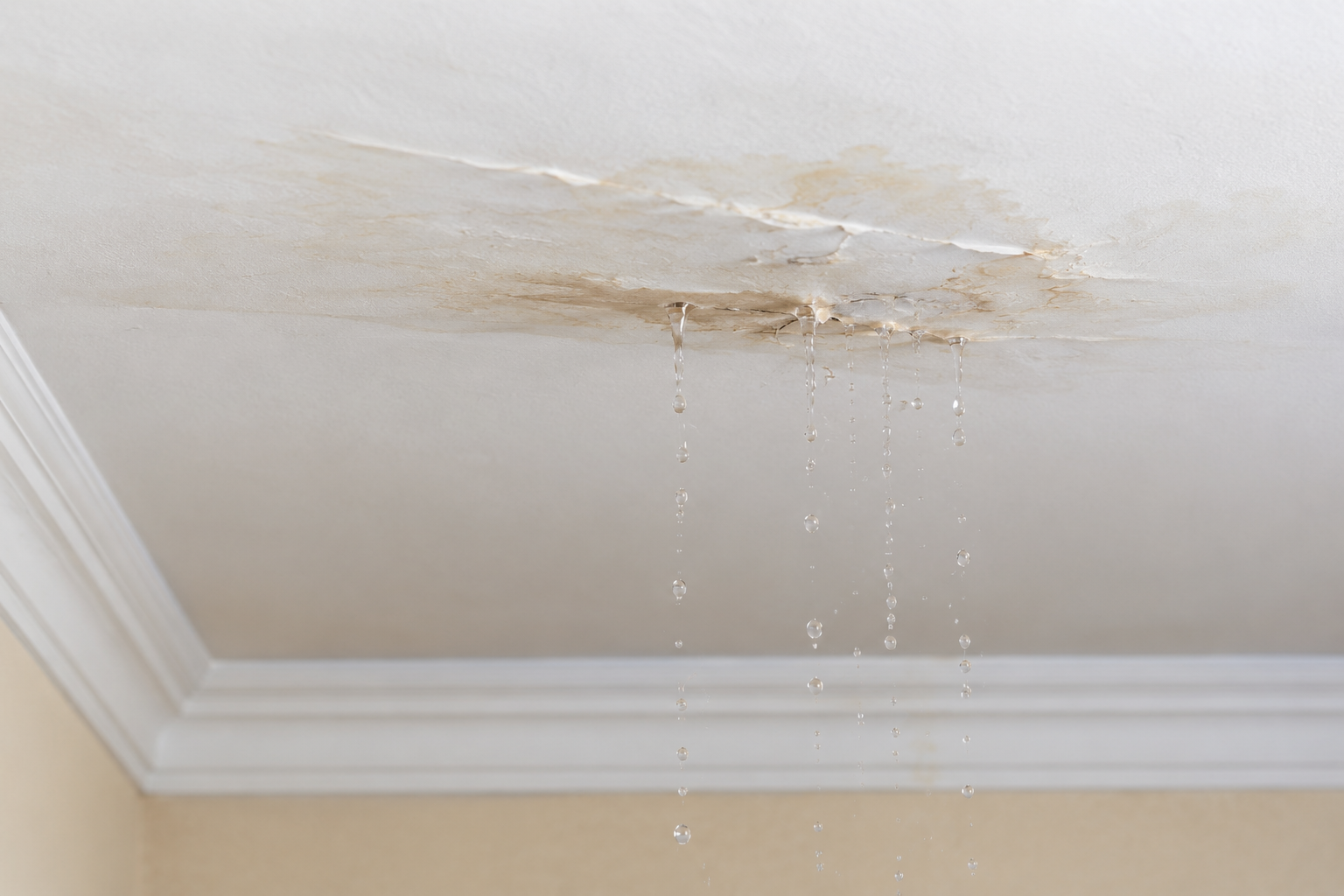
Seeing active water coming in? Here are the first steps to take before the damage gets worse.
Fill out the form below and Peak Quality Roofing will follow up with you.
We provide honest roof inspections and clear reports so you can make confident decisions about your home.




OUR SERVICES
Gutter
Skylight
Snow & Ice Removal
SERVICE LOCATIONS
OFFICE LOCATION
58 Mount Vernon Ave, Melrose, MA 02176


CUSTOMER CARE
OFFICE LOCATION
58 Mount Vernon Ave, Melrose, MA 02176

FOLLOW US ON
Copyright 2025. All rights reserved.
Website by Pure Value Advisors